LIPU magnetic separators are designed for mineral beneficiation, magnetic recovery, and iron removal applications. They can be used for wet or dry separation of magnetic and weakly magnetic materials in mining and industrial mineral processing.
Different separator types can be selected according to mineral characteristics, feed size, magnetic susceptibility, required capacity, and process conditions.
Applications: Iron ore beneficiation and iron removal from non-metallic minerals
Process Type: Wet and dry magnetic separation
Typical Materials: Magnetite, hematite, ilmenite, quartz, feldspar and other magnetic or weakly magnetic minerals
A magnetic separator is mineral processing equipment that separates materials according to differences in magnetic properties.
When material passes through a magnetic field, magnetic particles are attracted toward the magnetic system, while non-magnetic or weakly magnetic particles follow a different path.
Magnetic separation is commonly used for:
Recovering magnetic minerals
Removing iron impurities
Improving concentrate quality
Pre-concentrating ore before downstream processing
Purifying non-metallic minerals
The correct separator depends on the magnetic properties of the material and whether the process is wet or dry.
Magnetic Separator Types and Features
LIPU magnetic separators can be configured for different mineral processing and purification applications.
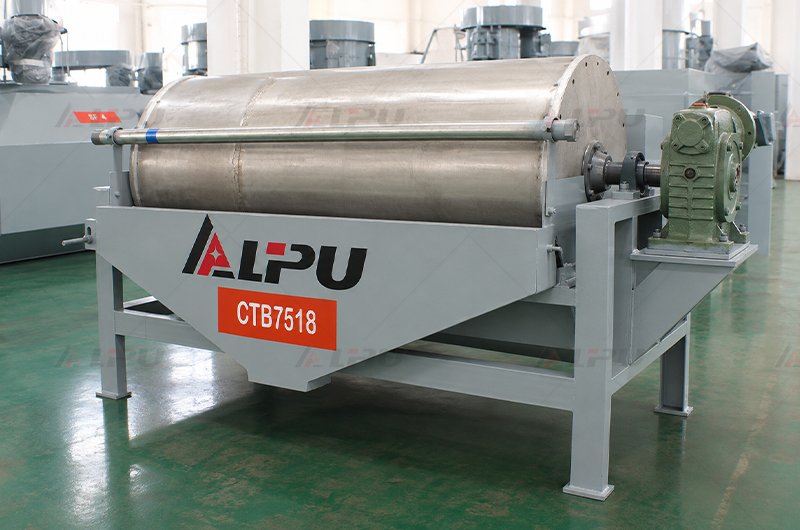
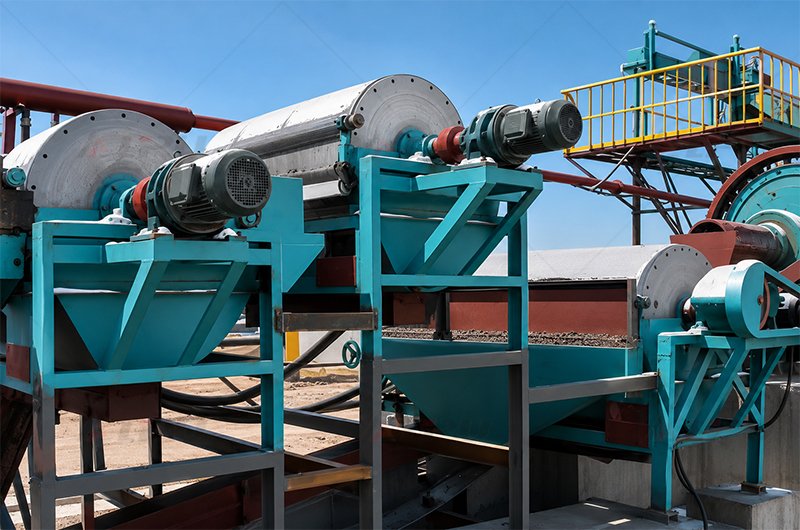
Wet Drum Magnetic Separator
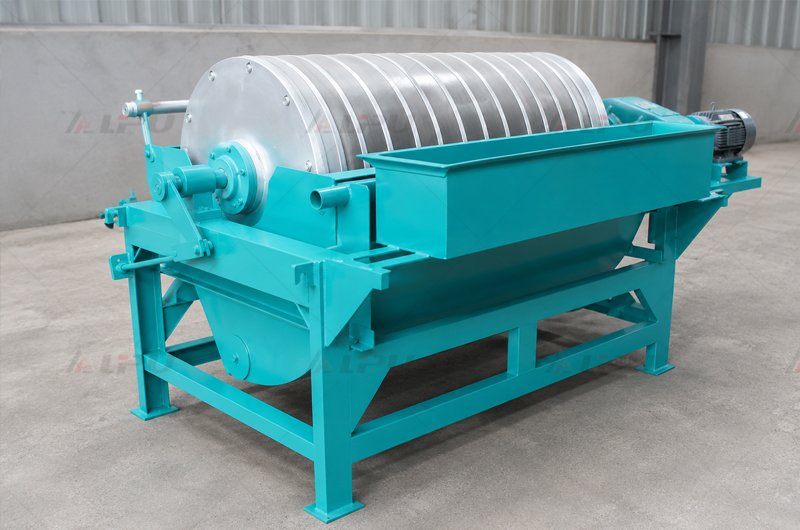
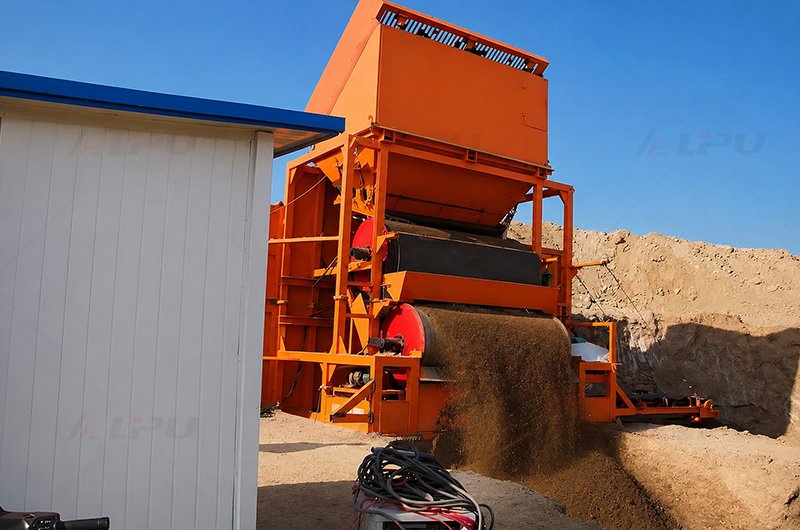
Dry Magnetic Separator
Wet Drum Magnetic Separator
Wet drum magnetic separators process material in slurry form.
They are commonly used after grinding and classification for the recovery of strongly magnetic minerals such as magnetite.
Typical applications include:
Magnetite recovery
Iron ore beneficiation
Magnetic mineral concentration
Recovery of magnetic material from slurry
Removal of magnetic impurities from wet material
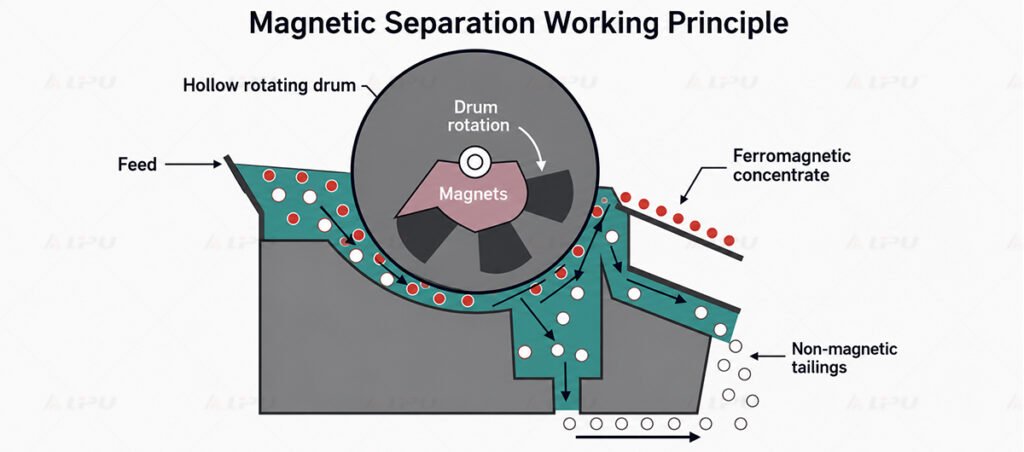
The drum rotates through the slurry while the internal magnetic system attracts magnetic particles to the drum surface. Magnetic material is carried to the discharge area, while non-magnetic material leaves through a separate path.
Dry Magnetic Separator
Dry magnetic separators process material without adding water.
They can be used where water is limited or where the material should remain dry.
Typical applications include:
Dry ore pre-concentration
Iron removal from industrial minerals
Quartz and feldspar purification
Heavy mineral separation
Treatment of dry granular materials
Dry separation performance depends strongly on feed size, moisture, material distribution, and magnetic field intensity.
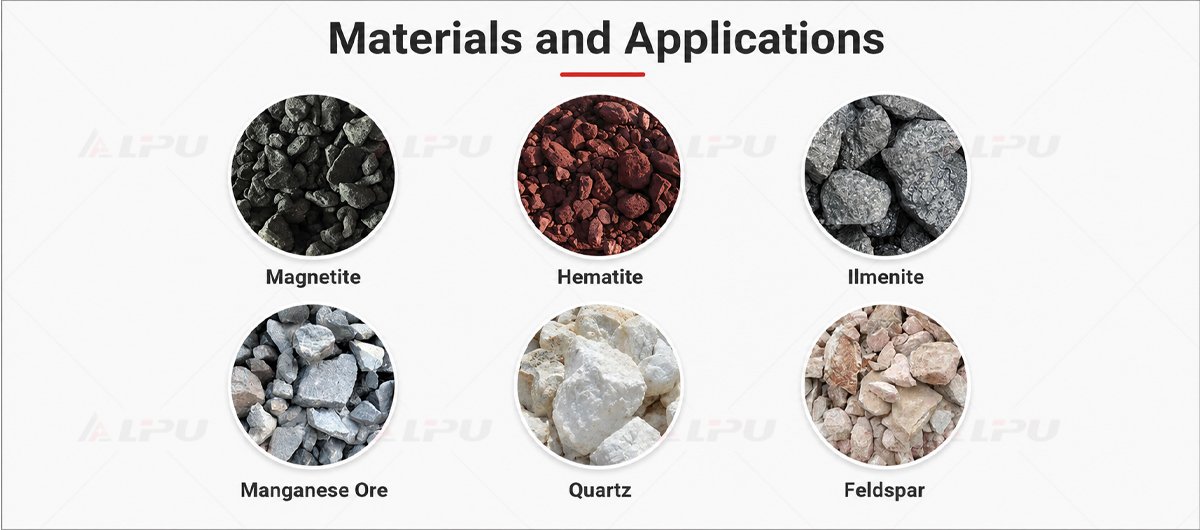
Materials and Applications
LIPU magnetic separators can be used for a range of metallic ores and industrial minerals.
Typical materials for magnetic separation and iron removal applications
Typical materials include:
Magnetite
Hematite
Limonite
Ilmenite
Manganese ore
Iron-bearing minerals
Quartz
Feldspar
Silica minerals
Beach sand and heavy minerals
Typical applications include:
Iron ore beneficiation
Magnetite concentration
Iron removal from quartz
Feldspar purification
Ilmenite separation
Manganese ore processing
Heavy mineral processing
Mineral pre-concentration
The required magnetic field intensity and separator configuration depend on the magnetic susceptibility of the target mineral and the material to be rejected.
How Does a Magnetic Separator Work?
Material enters the magnetic separation zone and passes through a controlled magnetic field.
Magnetic particles are attracted by the magnetic system, while non-magnetic particles are less affected and follow a different discharge path.
In a wet drum magnetic separator, slurry enters the separation tank and contacts the rotating drum.
The internal magnetic system attracts magnetic particles to the drum surface. As the drum rotates, the magnetic material is carried away from the feed zone and discharged separately.
Non-magnetic material remains in the slurry and exits through the tailings side.
In dry magnetic separation, material is fed in a dry and controlled layer. Magnetic and non-magnetic particles are separated according to their response to the magnetic field.
Main Magnetic Separator Components
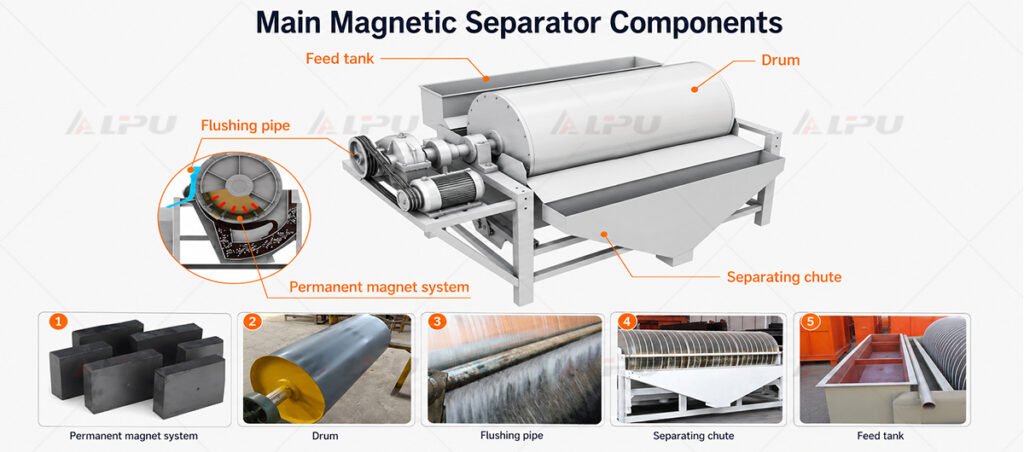
A typical wet drum magnetic separator includes:
Magnetic system
Rotating drum
Separation tank
Feed box
Discharge chute
Flushing or washing pipe
Drive system
Support structure
The magnetic system provides the separation force, while the rotating drum transports attracted magnetic particles toward the discharge area.
The exact structure varies according to separator type and application.
Wet vs Dry Magnetic Separation
Wet and dry magnetic separation are used under different process conditions.
Factor
Wet Magnetic Separation
Dry Magnetic Separation
Feed condition
Slurry
Dry material
Typical particle condition
Fine or ground material
Dry granular material
Water requirement
Requires process water
No process water required
Common application
Mineral beneficiation
Pre-concentration and purification
Typical use
Magnetite recovery and wet circuits
Iron removal and dry mineral processing
Wet magnetic separation is often used after grinding and classification in mineral processing plants.
Dry magnetic separation can be useful before grinding, in dry pre-concentration, or in industrial mineral purification where water is not desirable.
The final choice should be based on mineral characteristics, feed size, moisture, process requirements, and water availability.
Magnetic Separation Process
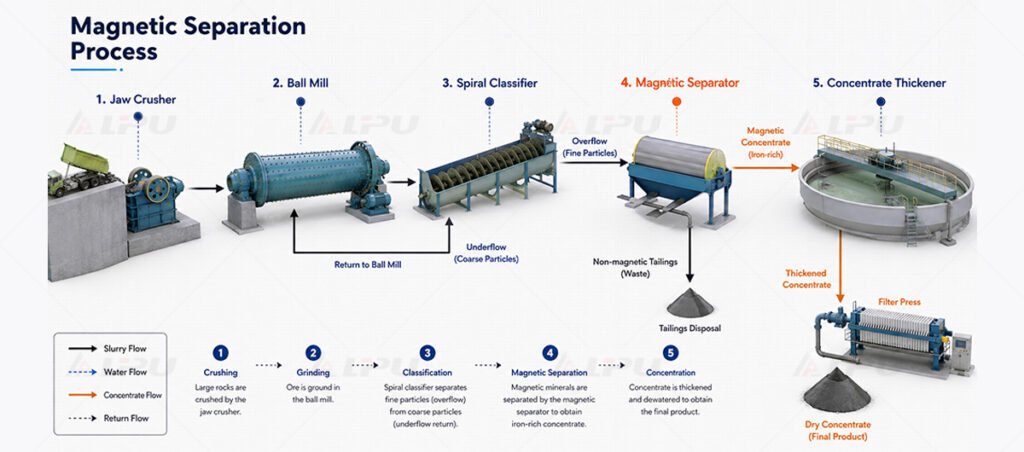
A magnetic separator normally works as part of a complete mineral processing system.
A typical wet magnetic separation process may be arranged as:
For dry pre-concentration, the process may be simpler:
Crushing → Screening → Dry Magnetic Separation
The actual process depends on mineral type, liberation size, magnetic properties, required concentrate quality, and final product requirements.
For some ores, magnetic separation may also be combined with flotation, gravity separation, or other beneficiation methods.
Magnetic Separator Technical Parameters
Magnetic separator selection depends on drum size, magnetic field intensity, feed size, processing capacity, mineral characteristics, and operating conditions.
Magnetic Separator
Model
Shell diameter(mm)
Shell length(mm)
Shell rotationspeed(r/min)
Feeding size(mm)
Processing capacity(t/h)
Power(kw)
CTB6012
600
1200
<35
2-0
10-20
1.5
CTB6018
600
1800
<35
2-0
15-30
2.2
CTB7518
750
1800
<35
2-0
20-45
2.2
CTB9018
900
1800
<35
3-0
40-60
3
CTB9021
900
2100
<35
3-0
45-60
3
CTB9024
900
2400
<28
3-0
45-70
4
CTB1018
1050
1800
<20
3-0
50-75
5.5
CTB1021
1050
2100
<20
3-0
50-100
5.5
CTB1024
1050
2400
<20
3-0
60-120
5.5
CTB1218
1200
1800
<18
3-0
80-140
5.5
CTB1224
1200
2400
<18
3-0
85-180
7.5
CTB1230
1200
3000
<18
3-0
100-180
7.5
CTB1530
1500
3000
<14
3-0
170-280
11
Actual processing capacity may vary according to feed size, pulp concentration, mineral properties, and separation requirements. The technical parameters should therefore be used for preliminary model selection.
How to Select the Right Magnetic Separator
Selecting a magnetic separator should begin with the magnetic properties of the material rather than capacity alone.
For preliminary equipment selection, please provide:
Material or ore type
Mineral composition
Magnetic properties
Maximum feed size
Required processing capacity
Wet or dry process
Target concentrate or impurity-removal requirement
Required separation result
Ore test or mineral analysis, if available
Project location
Important selection factors include:
Mineral Magnetic Properties
Strongly magnetic minerals and weakly magnetic minerals may require different magnetic field strengths and separator configurations.
Feed Size
Particle size affects both mineral liberation and separation performance. The feed should match the selected separator and process stage.
Wet or Dry Process
Wet separators are suitable for slurry-based beneficiation circuits, while dry separators are more suitable for dry feed, pre-concentration, or mineral purification.
Magnetic Field Intensity
Different minerals respond differently to magnetic fields. The required magnetic intensity should be matched to the target mineral.
Required Product Quality
Separator selection also depends on whether the objective is concentrate recovery, impurity removal, pre-concentration, or product purification.
Whenever possible, mineral analysis or separation test data should be used to support equipment selection.
Why Choose LIPU?
LIPU Heavy Industry provides equipment for crushing, grinding, classification, magnetic separation, flotation, gravity separation, thickening, and dewatering.
Wet magnetic drum separators
Dry magnetic separation equipment
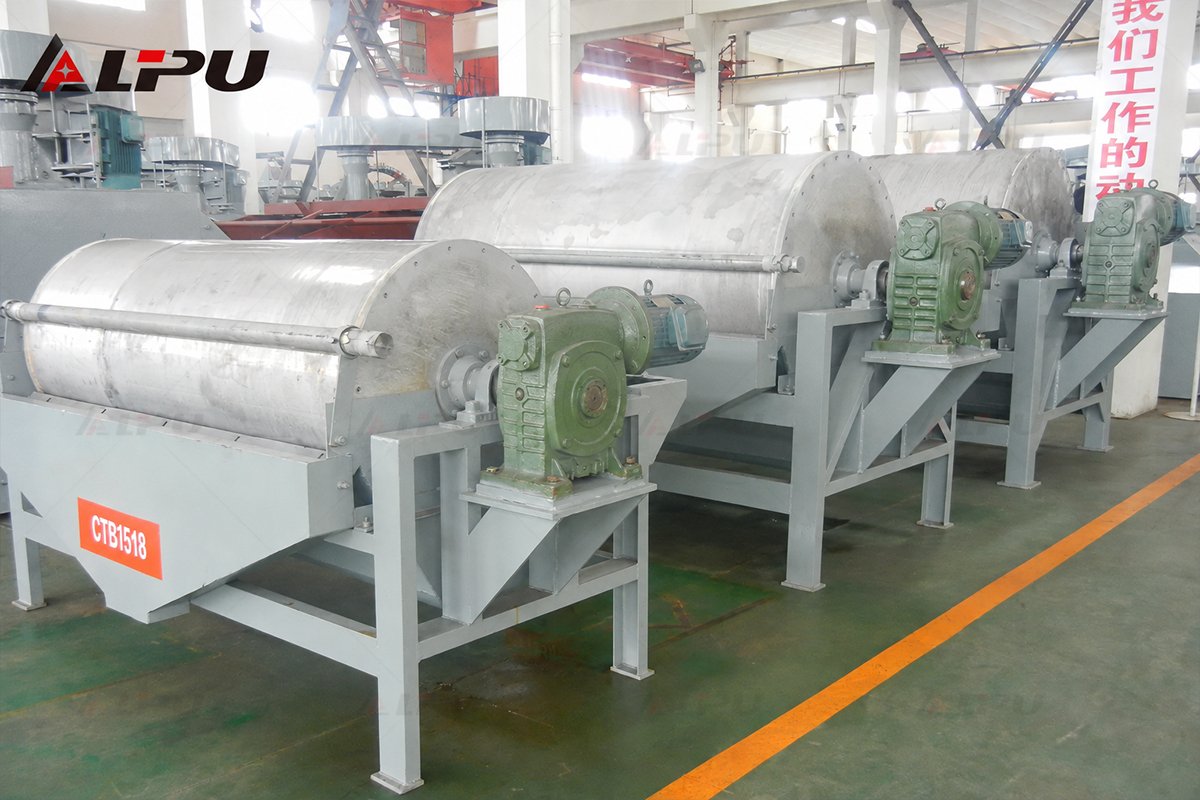
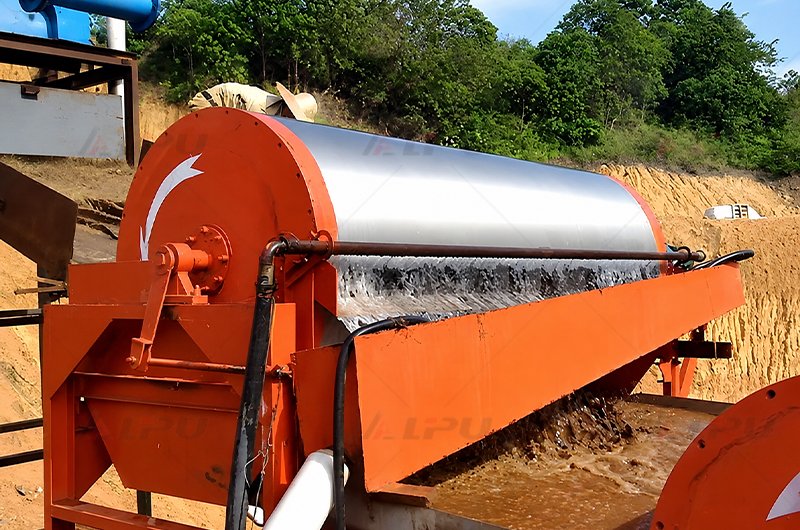
Iron ore beneficiation site with multiple magnetic separators operating in the processing line
For magnetic separation projects, LIPU can assist with:
Magnetic separator model selection
Wet or dry process configuration
Grinding and classification equipment matching
Magnetic separation circuit arrangement
Equipment manufacturing
Factory inspection and testing
Installation and commissioning support
Spare parts and technical service
For complete beneficiation projects, magnetic separators can be matched with upstream crushing and grinding equipment as well as downstream concentrate handling equipment.
The objective is to select the separator according to the complete mineral processing flow rather than treating it as an isolated machine.
Frequently Asked Questions
What minerals can be processed by a magnetic separator?
Magnetic separators are commonly used for magnetite, hematite, limonite, ilmenite, manganese minerals, iron-bearing ores, and iron removal from quartz, feldspar, and other industrial minerals.
What is the difference between wet and dry magnetic separation?
Wet magnetic separation processes material in slurry form and is commonly used in beneficiation circuits. Dry magnetic separation treats dry material and is often used for pre-concentration or impurity removal.
Can a magnetic separator process weakly magnetic minerals?
Yes, but weakly magnetic minerals generally require a suitable high-intensity magnetic separation configuration. The correct equipment should be selected according to mineral magnetic susceptibility and test results.
What information is needed to select a magnetic separator?
Useful information includes material type, mineral composition, magnetic properties, feed size, capacity, wet or dry process, and the required separation result.
Can LIPU provide a complete magnetic separation line?
Yes. LIPU can provide equipment matching for crushing, grinding, classification, magnetic separation, thickening, filtration, and related mineral processing stages.
People who viewed this also viewed
loading…
已经是到最后一篇内容了!
LET US REACH YOUNeed detailed customization and latest price? Chat online or leave message below!
How we use cookies
This Cookie Privacy Policy statement explains how Zoneding Machine (hereinafter referred to as "we", "our", or "this website") uses cookies and similar technologies (collectively referred to as "cookies") to identify you when you visit our website lepuu.com. It explains what these technologies are, why we use them, and your rights to control our use of them.
Privacy Policy
Leave a Message
We will reply to you within 24 hours
Hello, I am Lipu Heavy Industry, what can we do for you please?