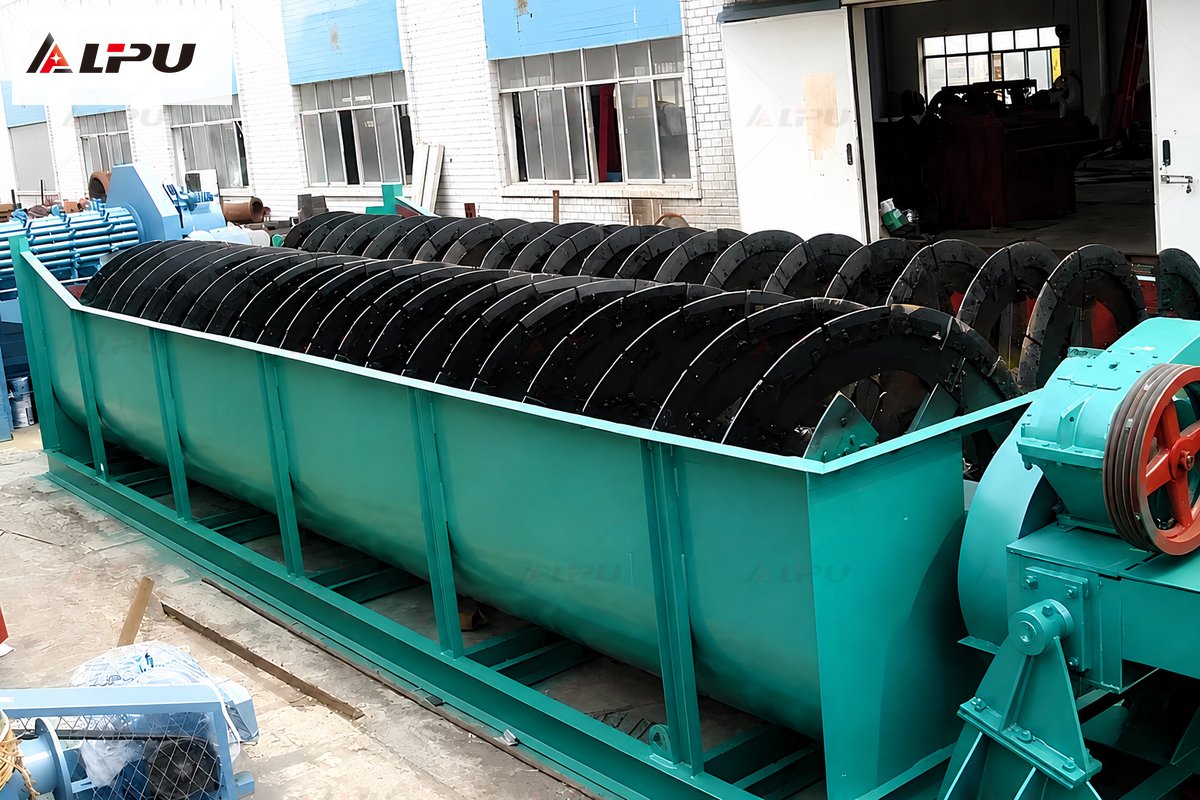
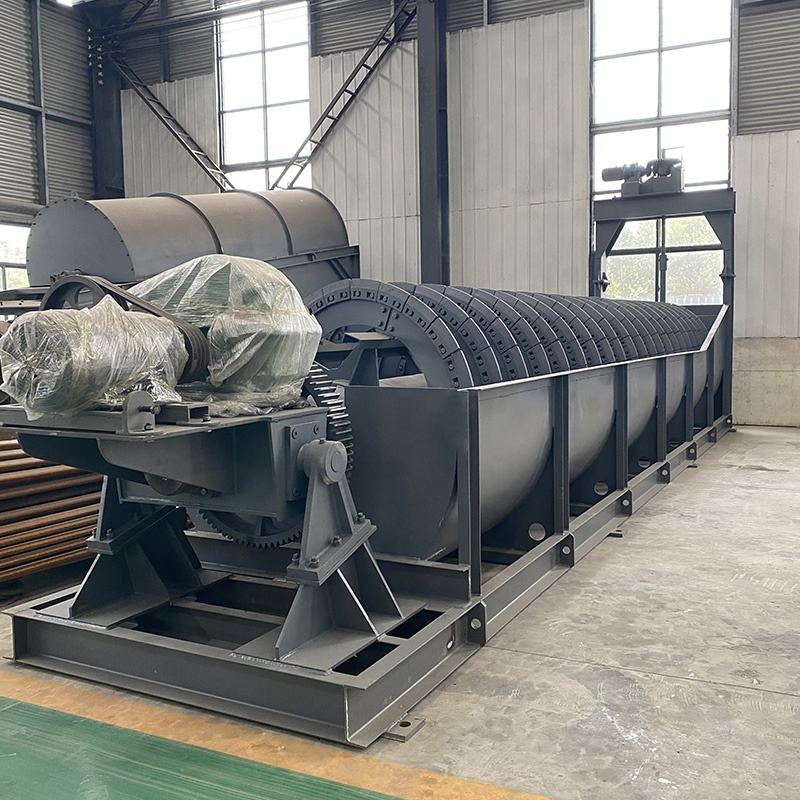
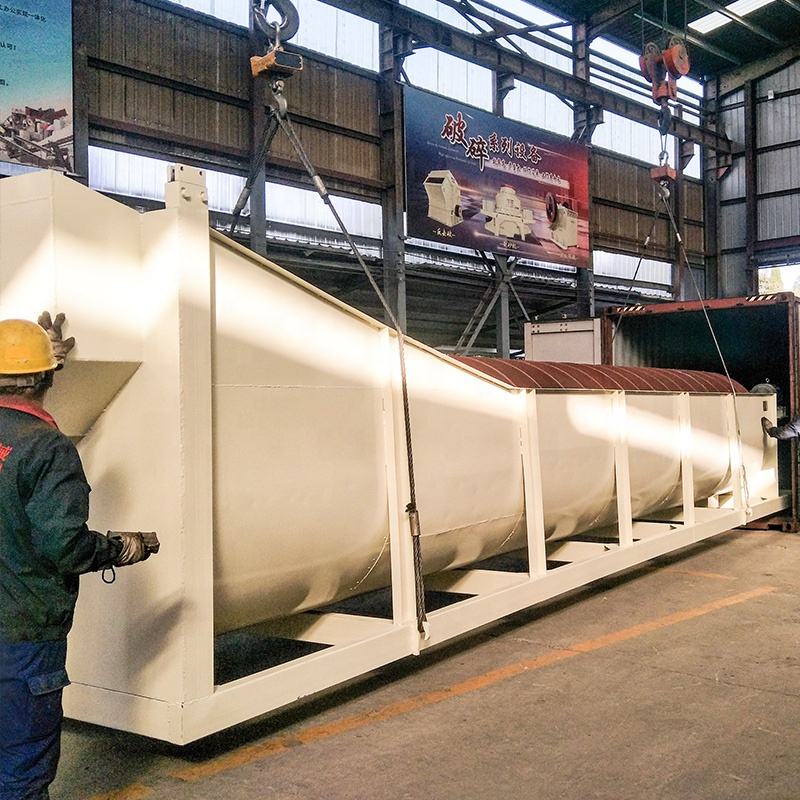
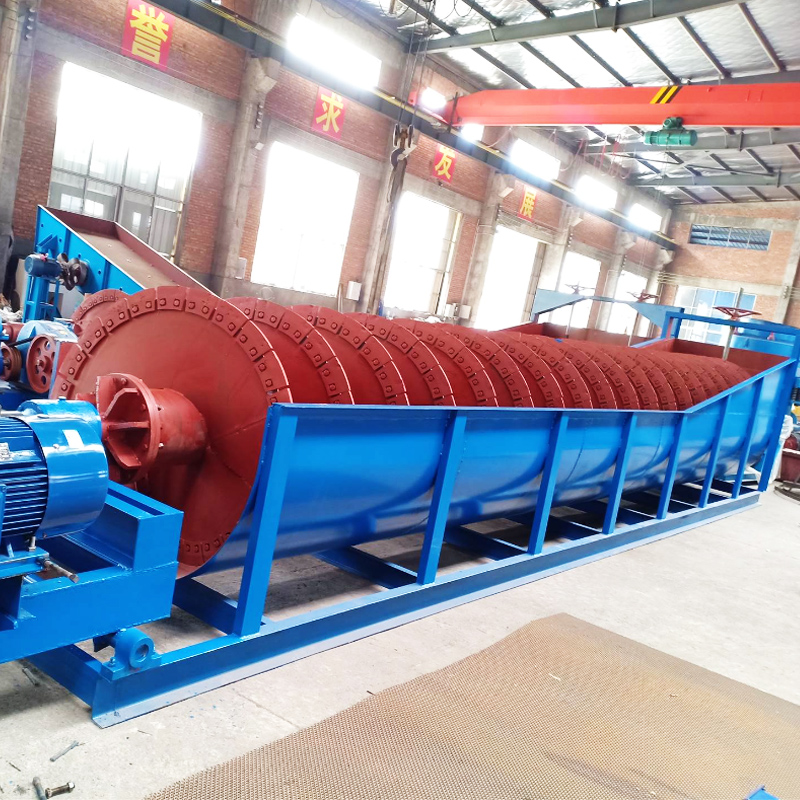
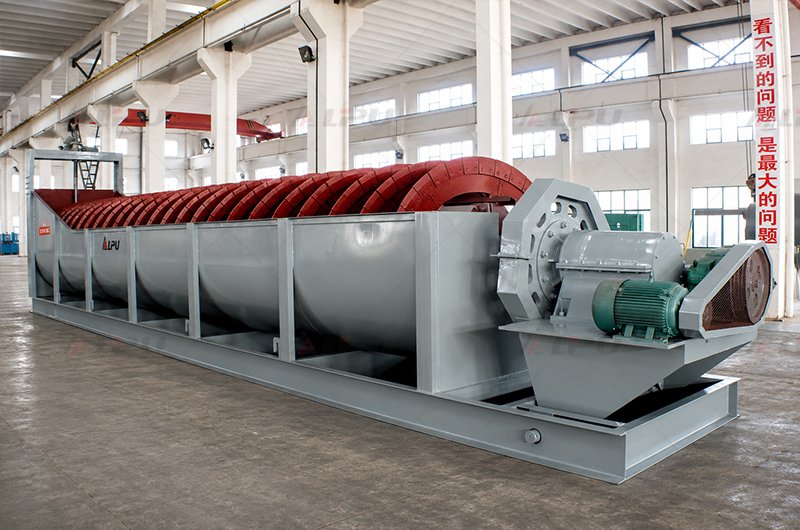
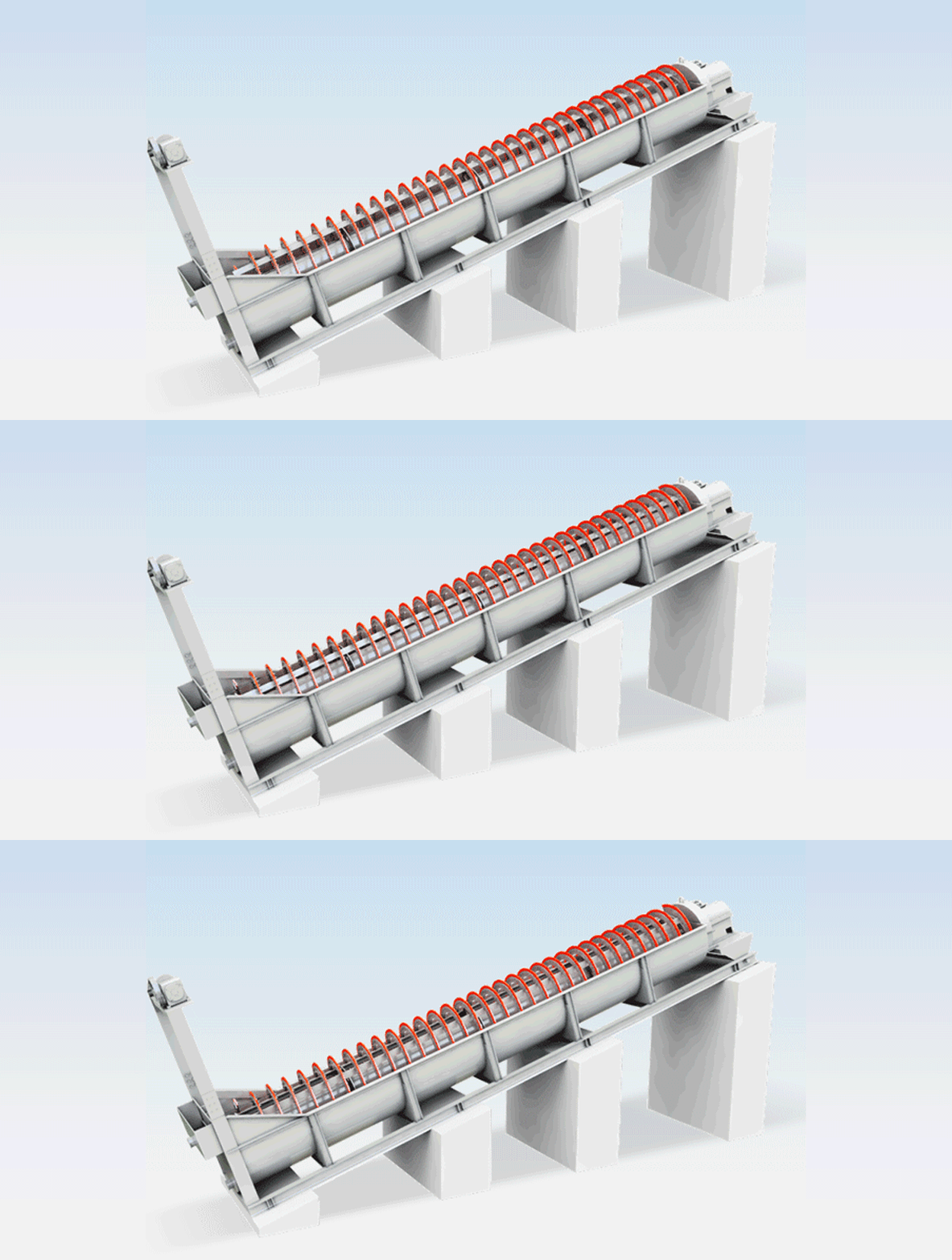
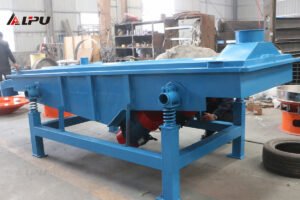
LIPU spiral classifiers are wet classification equipment used in mineral processing plants to separate fine particles from coarse particles according to their settling behavior in slurry.
They are commonly installed after a ball mill to form a closed grinding circuit. Fine particles leave with the overflow, while coarse particles settle to the bottom of the tank and are returned by the rotating spiral for further grinding.
LIPU spiral classifiers are available in high-weir and submerged designs, with single-spiral or double-spiral configurations for different capacities and classification requirements.
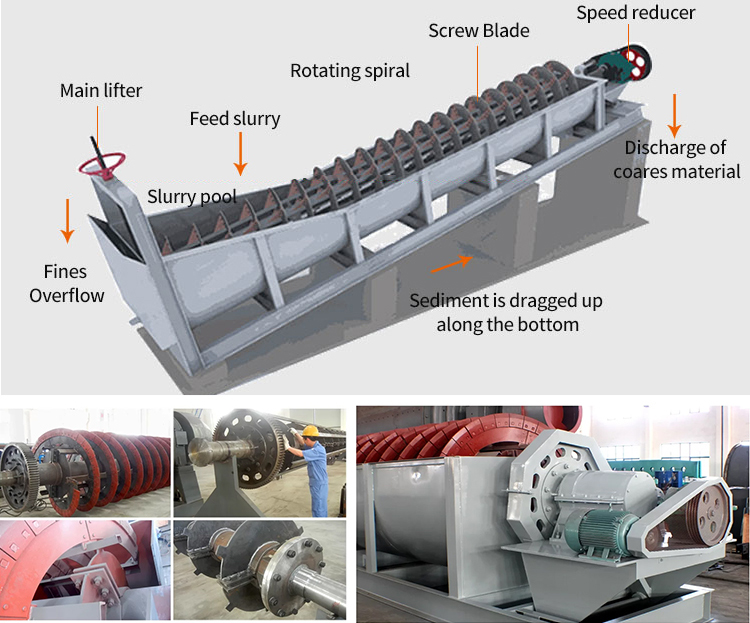
A spiral classifier works by combining gravity settling with slow mechanical conveying.
Working-Principle-of-the-Spiral-Classifier
The basic process is:
Ground ore slurry enters the inclined classification tank.
Solid particles begin settling according to their size and density.
Fine particles remain suspended in the upper slurry layer.
Fine slurry flows over the overflow weir.
Coarse particles settle to the bottom of the tank.
The rotating spiral lifts and pushes the settled particles upward.
Coarse sand is discharged from the return-sand end.
In a closed grinding circuit, this coarse material returns to the ball mill.
Stable operation depends on maintaining suitable slurry density, feed rate, spiral speed and overflow conditions.
Main Components
A typical spiral classifier includes:
Main structure of the spiral classifier
Inclined classification tank
Spiral shaft
Spiral blades
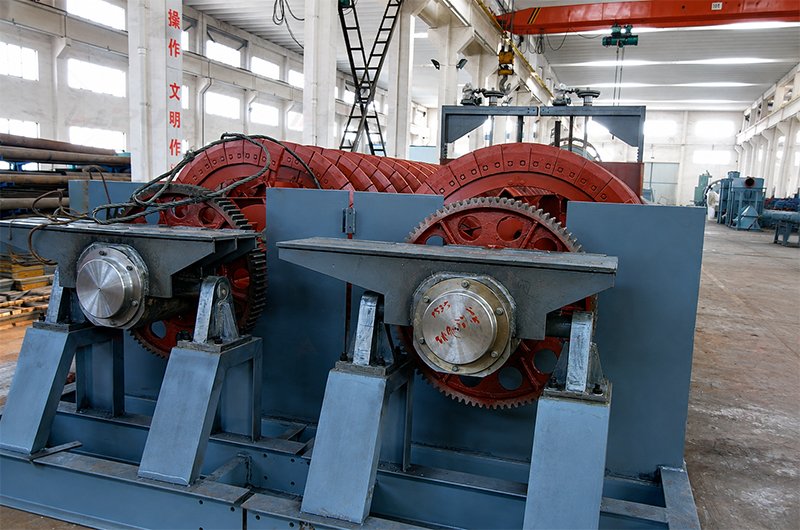
Main shaft bearings
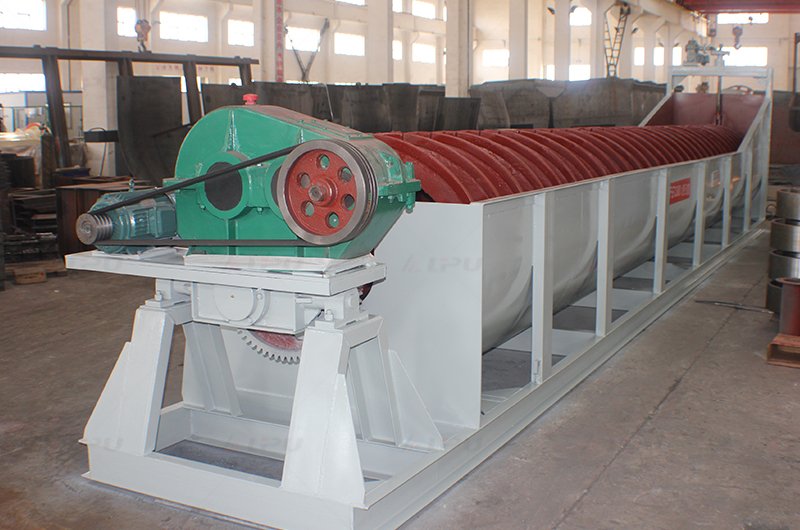
Transmission unit
Drive motor
Reducer
Spiral lifting mechanism
Feed inlet
Overflow weir
Overflow outlet
Returned-sand discharge
Support frame
The spiral rotates slowly enough to transport settled solids without excessively disturbing the classification zone.
The lifting mechanism allows the spiral to be raised during shutdown or maintenance, helping prevent settled solids from locking the spiral.
Spiral Classifier in a Ball Mill Closed Circuit
One of the most important applications of a spiral classifier is forming a closed grinding circuit with a ball mill.
A typical process is:
Ball Mill → Spiral Classifier → Fine Overflow → Next Separation Stage
At the same time:
Spiral Classifier Coarse Sand → Return to Ball Mill
The classifier therefore performs two functions:
It allows sufficiently fine particles to leave the grinding circuit.
It returns coarse particles for additional grinding.
This prevents material that has not reached the target size from entering downstream beneficiation stages too early.
For example, in a flotation plant:
Ball Mill → Spiral Classifier → Flotation
In an iron ore magnetic separation plant:
Ball Mill → Spiral Classifier → Magnetic Separation
The efficiency of the classifier directly affects circulating load, grinding stability and downstream feed size.
Spiral Classifier Technical Parameters
Model
Spiral Diameter
Spiral Speed (r/min)
Tank Length (mm)
Tank Width (mm)
Slope
Overflow Capacity (t/24h)
Returned Sand Capacity (t/24h)
Drive Motor (kW)
Lift Motor (kW)
FG-5
Φ500
9.2
3900
560
10.5°–14°
21–75
145–260
3
—
FG-7
Φ750
7.8
5367
830
10.5°–14°
65–154
255–564
3
—
FG-10
Φ1000
7
6500
1110
10.5°–14°
85
473–1026
5.5
—
FG-12
Φ1200
5 / 6 / 7
6500
1372
10.5°–14°
150
1145–1600
5.5
2.2
FG-15
Φ1500
2.5 / 4 / 6
8265
1664
14°–18.5°
235
1140–2740
7.5
2.2
FG-20
Φ2000
5.4
8400
2396
14.5°–18.5°
400
5940
15
2.2
FG-24
Φ2400
3.6 / 5.4 / 6.3
9160
2600
14°–18.5°
580
6800
11 / 15
2.2
FG-30
Φ3000
3.17
12500
3200
14°–18.5°
890
11650
22
4
2FG-12
Φ1200
5 / 6 / 7
6500
2620
10.5°–14°
300
2290–3200
5.5 × 2
2.2 × 2
2FG-15
Φ1500
2.5 / 4 / 6
8265
3200
14°–18.5°
460
2240–5360
7.5 × 2
2.2 × 2
2FG-20
Φ2000
5.4
8400
4296
14.5°–18.5°
800
11880
15 × 2
2.2 × 2
2FG-24
Φ2400
3.6 / 5.4 / 6.3
9160
5040
14°–18.5°
1160
13600
11 × 2 / 15 × 2
2.2 × 2
2FG-30
Φ3000
3.17
12500
6300
14°–18.5°
1785
23300
22 × 2
4 × 2
Actual classification performance depends on ore characteristics, slurry density, feed particle-size distribution, spiral speed and operating conditions.
Overflow capacity and returned-sand capacity should be considered separately when selecting a classifier for a grinding circuit.
How to Select the Right Spiral Classifier
The classifier should be selected together with the grinding circuit rather than as an independent piece of equipment.
Important project information includes:
Ore type
Ball mill model
Grinding capacity
Target grinding fineness
Required overflow size
Required sand-return capacity
Slurry concentration
Circulating load
Single or double spiral requirement
Available installation space
Choose High-Weir When
A high-weir classifier is generally preferred when the circuit requires relatively coarser classification and conventional sand return.
Choose Submerged When
A submerged classifier is more suitable when finer classification and a deeper settling zone are required.
Choose Double Spiral When
A double-spiral classifier should be considered when a single spiral does not provide enough processing or sand-return capacity.
For an existing grinding plant, classifier selection should also consider the ball mill discharge rate and the amount of circulating coarse material.
Why Choose LIPU?
LIPU Heavy Industry provides grinding, classification and mineral separation equipment for complete beneficiation plants.
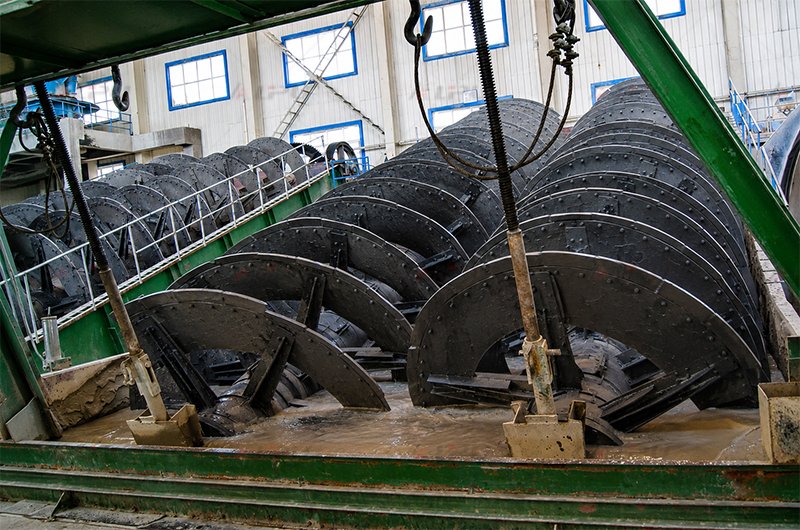
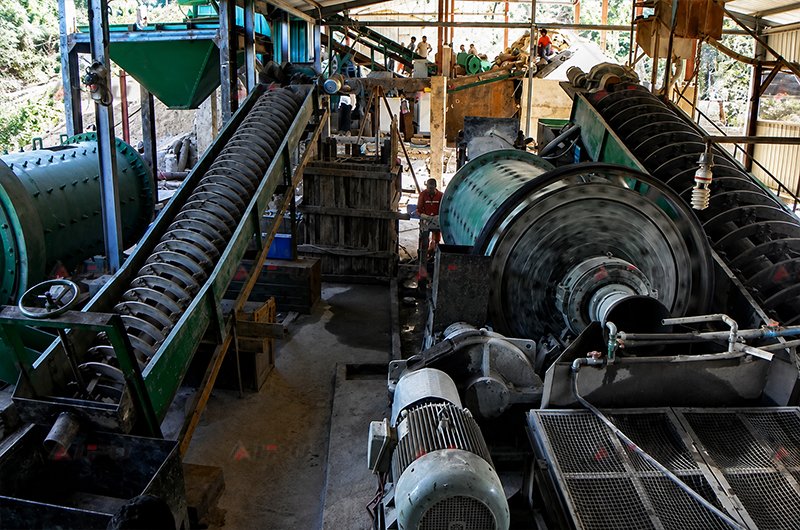
Spiral classifier in a mineral beneficiation plant
Spiral classifier in a ball mill grinding circuit
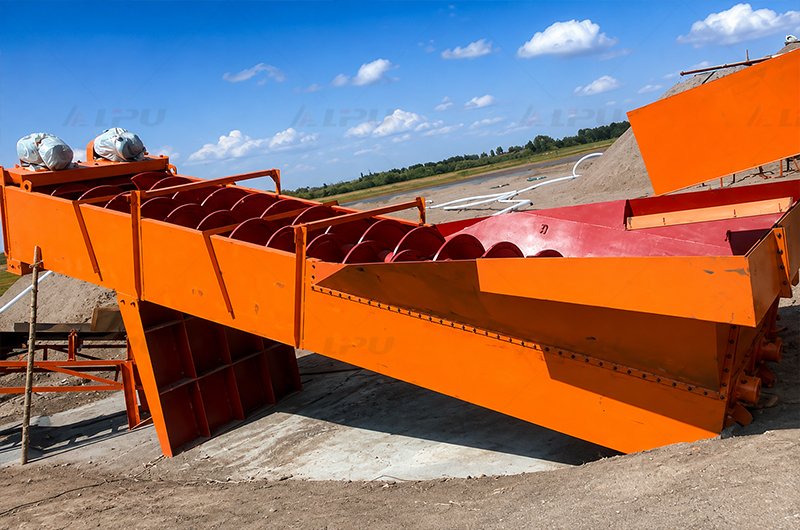
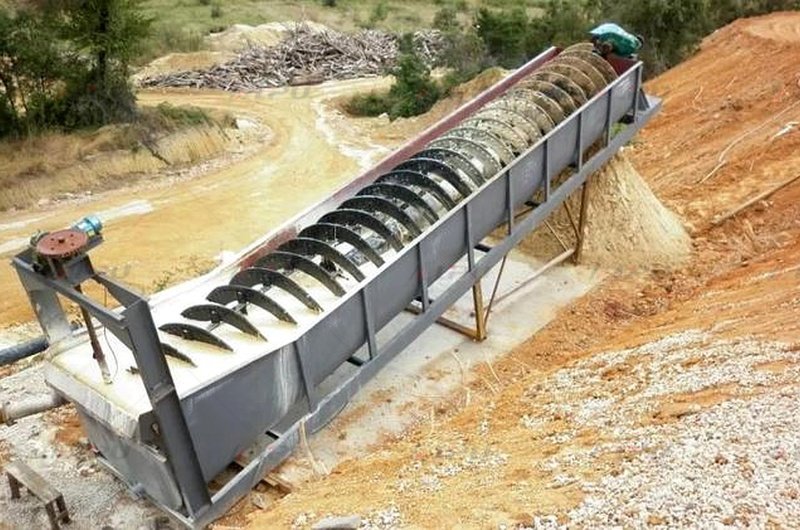
Spiral classifier for sand classification and washing
For spiral classifier projects, LIPU can assist with:
Grinding circuit analysis
Spiral classifier selection
High-weir or submerged type selection
Single or double spiral configuration
Ball mill matching
Process layout
Equipment manufacturing
Factory inspection
Installation guidance
Commissioning support
Spare parts supply
Technical support
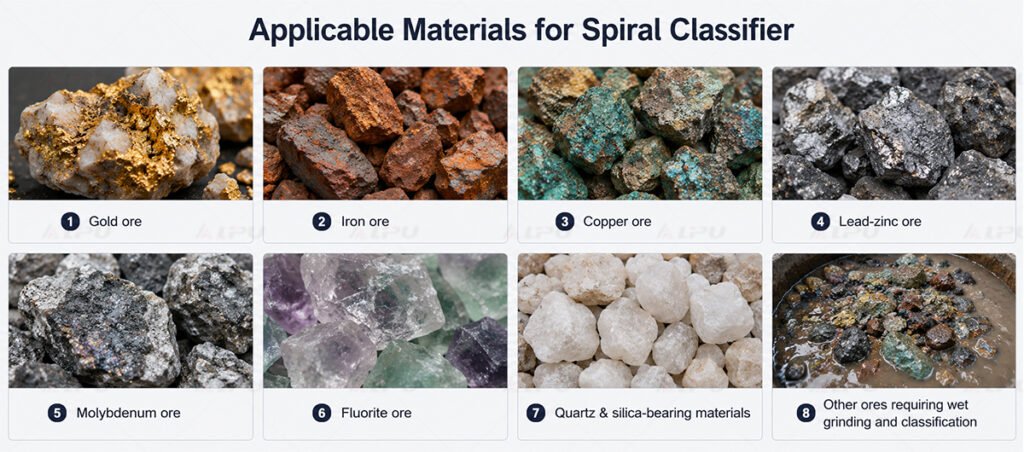
LIPU can also configure spiral classifiers as part of complete gold, iron ore, copper, lead-zinc and other mineral processing systems.
Frequently Asked Questions
What is a spiral classifier mainly used for?
A spiral classifier is mainly used for wet particle classification in mineral processing plants. One of its most common applications is separating fine overflow from coarse return sand in a ball mill closed grinding circuit.
What is the difference between a high-weir and submerged spiral classifier?
A high-weir classifier is generally used for relatively coarser classification, while a submerged classifier provides a deeper classification zone and is better suited to finer classification requirements.
What is the difference between single and double spiral classifiers?
A single spiral uses one spiral shaft and is suitable for lower to medium capacities. A double spiral uses two parallel spirals and provides greater processing and sand-return capacity.
Can a spiral classifier work with a ball mill?
Yes. This is one of its main applications. Fine particles leave through the overflow, while coarse settled particles are returned to the ball mill for further grinding.
What information is required to select a spiral classifier?
Provide the ore type, ball mill model, grinding capacity, target particle size, slurry conditions and required sand-return capacity. These factors determine the classifier type, spiral diameter and single- or double-spiral configuration.