LIPU sea sand dryers reduce moisture in sea sand and other compatible granular materials. Configuration is tailored to feed conditions, capacity, heat source, and site requirements.
Capacity: 1–80 t/h, depending on material and model
Heat source: Coal, oil, gas, or other suitable fuels
Materials: Sea sand, river sand, mineral sand, slag, and similar materials
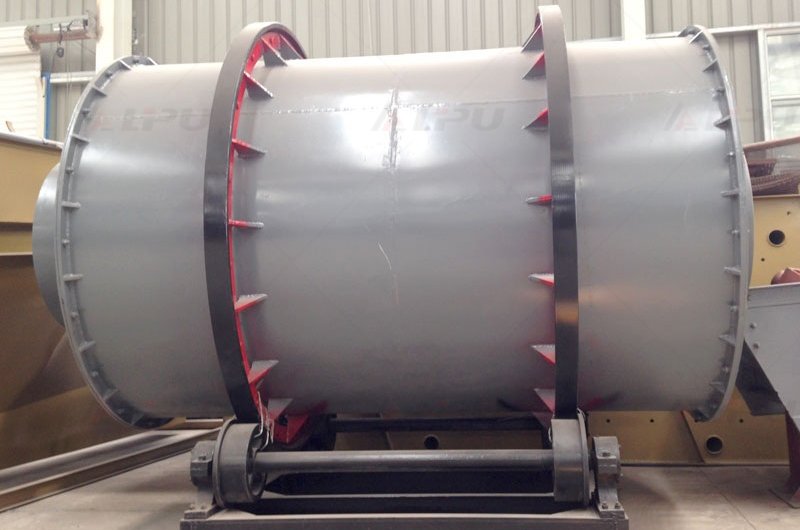
A sea sand dryer is an industrial rotary drying system that reduces moisture in processed sea sand. The system typically combines a rotary drum with feeding and discharge equipment, a heat source, conveyors, and dust-collection components.
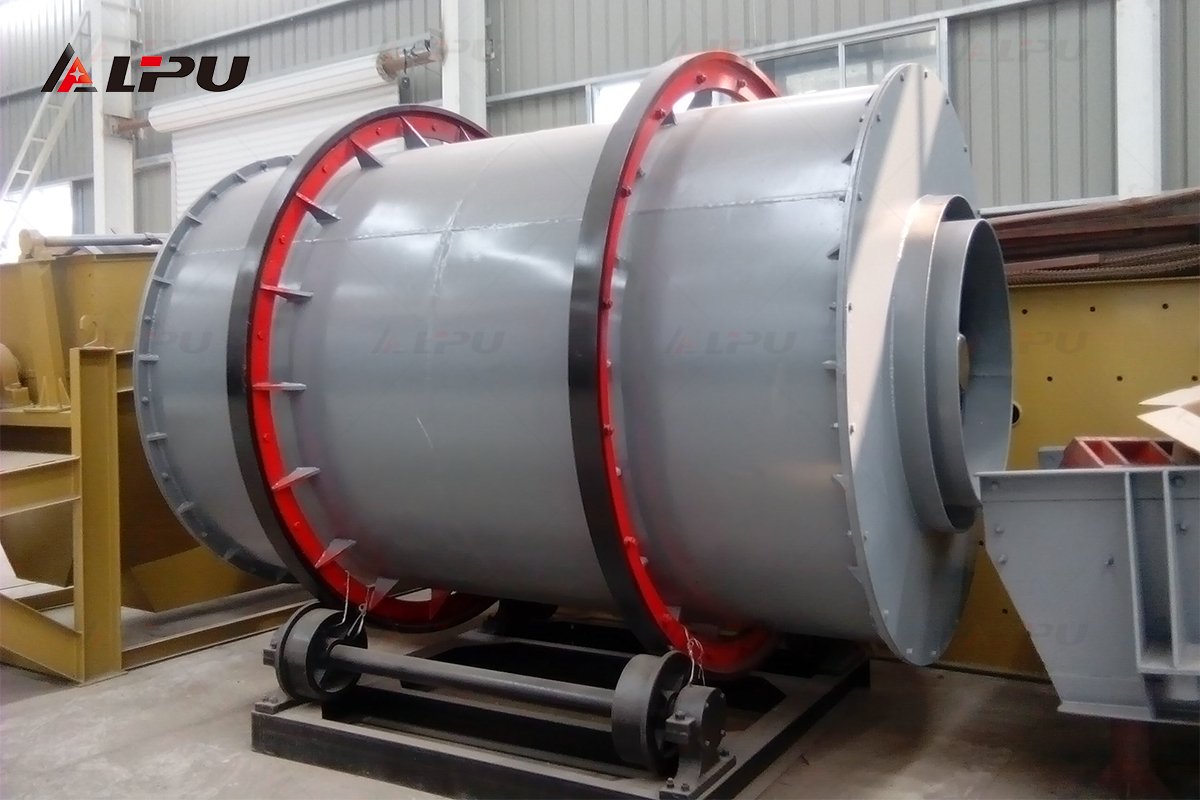
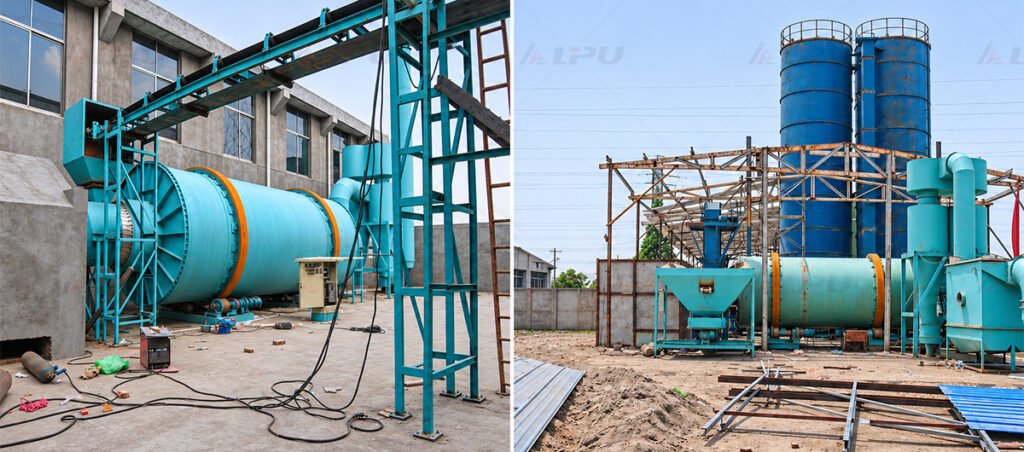
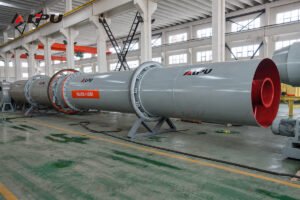
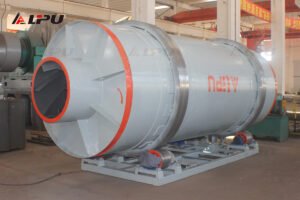
Sea sand dryer machine shown on the factory floor
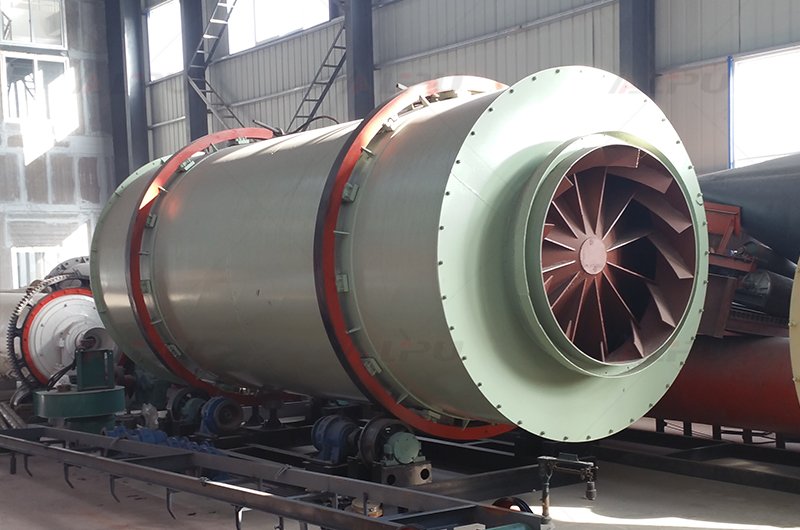
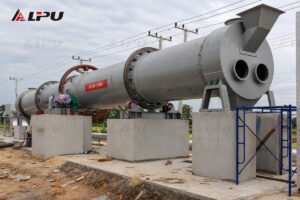
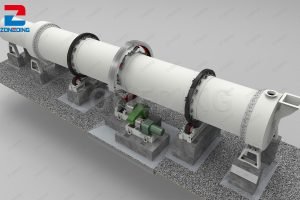
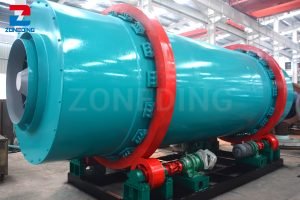
Triple-drum rotary dryer designed for drying sea sand
The equipment configuration depends on the sand’s moisture, particle size, required output, and the next processing step. Drying reduces moisture; it does not remove dissolved salts. If salt reduction is required, washing or another suitable pretreatment should be considered separately.
Sea Sand Drying Applications
Sea sand can retain moisture after extraction, washing, or storage. Drying may be used to prepare it for storage, transport, or further processing.
Potential downstream uses depend on the sand’s composition, salt content, grading, and local requirements. For applications with material specifications, such as construction products or industrial processes, the sand should be tested against the receiving process requirements. Drying alone does not establish that sea sand is suitable for a particular use.
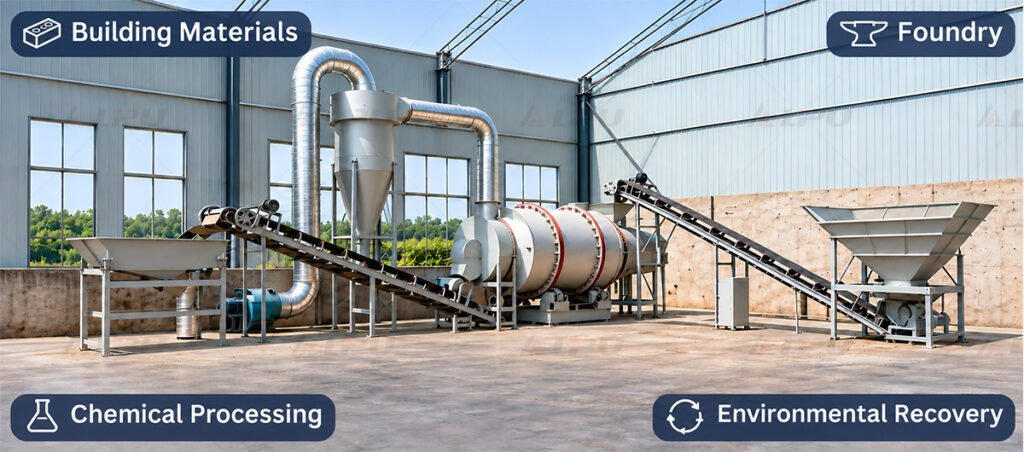
Sea sand drying systems can be configured for different downstream processes and project requirements
How the Sea Sand Drying System Works
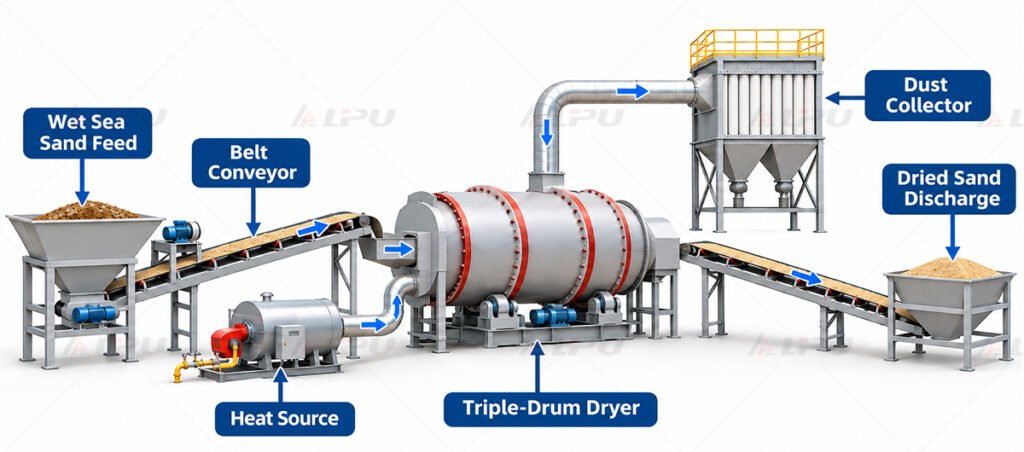
Wet sand is fed into the rotary dryer at a controlled rate. As the drum rotates, the material moves through the drying zone and exchanges heat with the selected drying medium. The dried sand is then discharged for storage or the next process stage.
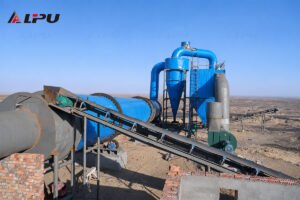
Typical sea sand drying line with feeding, rotary drying, heat supply, dust collection, and dried sand discharge
A typical line may include:
Feed hopper and metering device
Belt or other conveying equipment
Rotary dryer and heat source
Discharge conveyor
Dust-collection equipment
The layout, airflow arrangement, and operating settings should be selected for the material and project. Actual output and final moisture depend on feed conditions, heat source, and system configuration.
Sea Sand Dryer Models and Specifications
Triple Pass Rotary Drum Dryer Machine
Model
Volume of the drum(m3)
Drum speed(r/min)
Motor power(kw)
Maximum inlet temperature(℃)
Weight(t)
Capacity(t/h) Yellow sand
Capacity(t/h) Slag
Φ1.5×3
5.3
8-10
3×2
700-750
6.0
4.5-7.5
2.6-4.0
Φ2.0×4
12.6
8-10
5.5×2
700-750
7.4
10.6-17.8
6.2-9.5
Φ2.5×5
24.5
8-10
7.5×2
700-750
15.3
20.6-34.7
12-18.4
Φ2.8×6
36.9
8-10
7.5×4
700-750
32
31.1-52.2
18.1-27.7
Φ3.2×8
64.3
8-10
15×4
700-750
43
54.1-91
31.6-48.3
Φ3.6×10
81.4
8-10
22×4
700-750
48
68.5-115
40-61.2
Capacity varies with feed moisture, particle size, target moisture, and operating conditions.
How to Select a Sea Sand Dryer
For a preliminary equipment recommendation, provide:
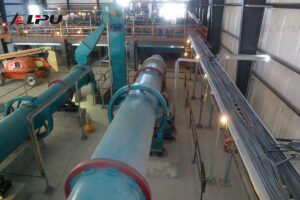
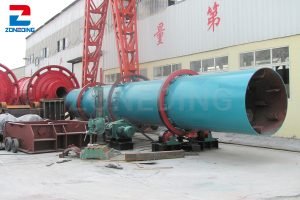
Sea sand dryer installation and site layout with the rotary dryer, conveying system, and auxiliary equipment
Required feed rate and operating hours
Initial and target moisture
Particle-size range and feed consistency
Sand source and relevant test results, including salt content when applicable
Available heat source and fuel conditions
Site layout, utilities, and dust-control requirements
These details help determine the dryer model, auxiliary equipment, and process arrangement. Final capacity and performance should be confirmed for the actual material and project conditions.
Frequently Asked Questions
Can the dryer handle sea sand with different moisture levels? The system can be configured for different feed conditions. Model selection and expected output depend on feed moisture, particle size, and target moisture.
Does drying remove salt from sea sand? No. Drying reduces moisture but does not remove dissolved salts. Washing or another pretreatment step may be needed if salt reduction is required.
Can the dryer process materials other than sea sand? It may also be suitable for river sand, mineral sand, yellow sand, artificial sand, slag, and similar granular materials. Confirm compatibility and capacity for each material.
What information is needed to select a dryer? Provide the feed rate, initial and target moisture, particle-size range, available heat source, operating schedule, and site conditions.
How is the drying system configured? The system may include a feed hopper, conveyor, rotary dryer, heat source, discharge equipment, and dust collector. The final layout depends on the material and project requirements.