LIPU crawler mobile crushing plants combine crushing, screening, conveying and tracked mobility in one flexible system for quarrying, mining, aggregate production and construction material processing.
Mounted on a crawler chassis, the equipment can move directly within the working area and is especially suitable for projects with uneven terrain, frequent relocation or limited space for permanent foundations.
Crawler jaw crushers, impact crushers, cone crushers and screening plants can be selected according to material type, feed size, required capacity and final product specifications.
A crawler mobile crushing plant is a self-propelled crushing and screening system mounted on a tracked chassis.
Unlike wheel-mounted equipment that normally depends on a tractor or transport vehicle for relocation, crawler-mounted equipment can move independently within the job site.
A crawler mobile plant may be used for:
Primary crushing
Secondary crushing
Fine crushing
Product screening
Closed-circuit crushing
Aggregate production
Mining ore preparation
Construction material recycling
The system can operate as a single mobile unit or as part of a multi-stage mobile crushing and screening line.
Main Crawler Mobile Plant Configurations
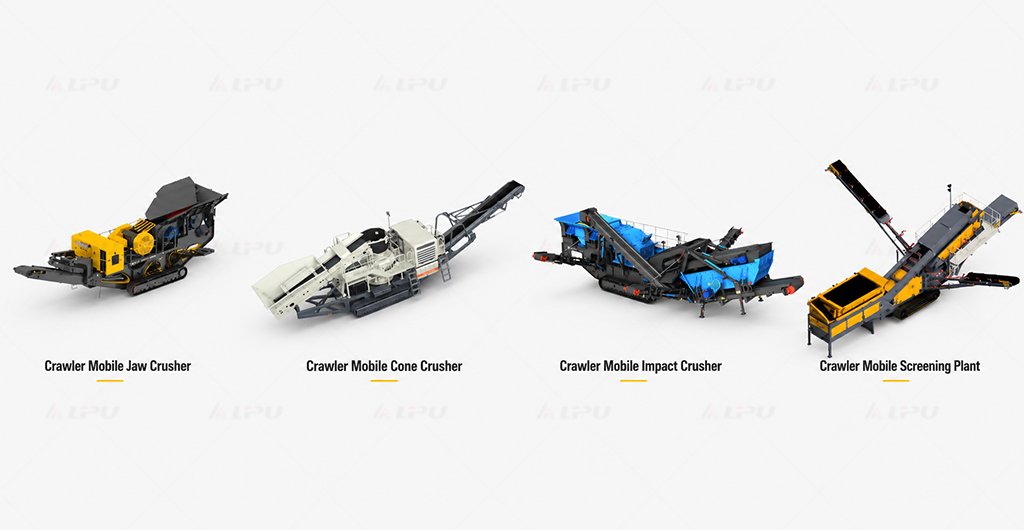
LIPU crawler mobile plants can be configured with different crushers and screening equipment according to the required crushing duty.
Crawler mobile crushing plant configurations including jaw crusher impact crusher cone crusher and screening plant
Crawler Jaw Crushing Plant
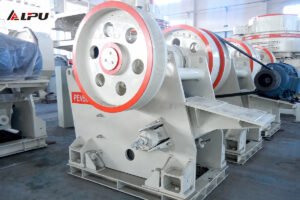
A crawler jaw crushing plant is mainly used for primary crushing.
It is suitable for large feed materials and hard or abrasive rocks such as:
Granite
Basalt
Quartzite
River pebble
Mining ore
Blasted rock
Construction waste
The jaw crusher reduces large raw material before secondary crushing or screening.
Crawler jaw crushers are often selected as the first stage of a multi-stage mobile crushing system.
Crawler Impact Crushing Plant
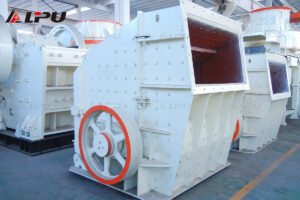
A crawler impact crushing plant is commonly used for medium-hard materials and projects where product shape is important.
Typical applications include:
Limestone
Construction waste
Concrete recycling
Road aggregate
Medium-hard quarry materials
Impact crushing is suitable where relatively cubical aggregate is required.
Crawler Cone Crushing Plant
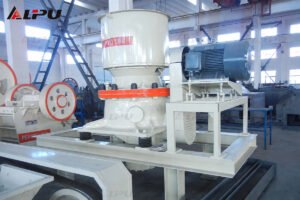
A crawler cone crushing plant is mainly used for secondary and tertiary crushing of medium-hard and hard materials.
Typical materials include:
Granite
Basalt
Quartzite
River pebble
Iron ore
Other hard rocks and ores
For hard-rock applications, a crawler cone crusher is commonly used after a crawler jaw crusher.
Crawler Mobile Screening Plant
A crawler mobile screening plant separates crushed material into different size fractions.
It can operate independently or together with crawler crushing equipment for:
Final product classification
Oversize separation
Closed-circuit return
Multi-size aggregate production
Stockpile separation
Materials and Applications
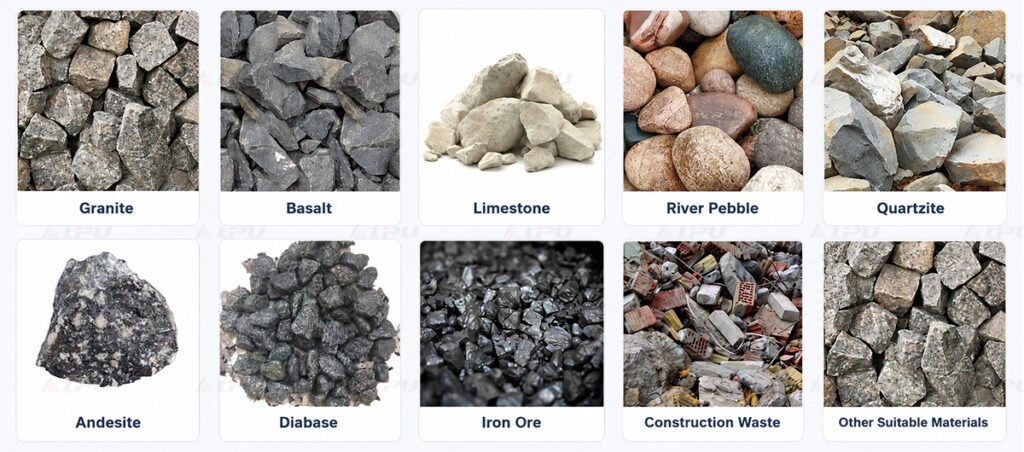
Crawler mobile crushing plants can process a wide range of rocks, ores and construction materials.
Typical materials processed by crawler mobile crushing plants
Typical materials include:
Granite
Basalt
Limestone
River pebble
Quartzite
Andesite
Diabase
Iron ore
Construction waste
Concrete
Other suitable medium-hard and hard materials
Typical applications include:
Quarry aggregate production
Mining ore crushing
Road construction
Railway aggregate production
Construction waste recycling
Concrete recycling
Temporary crushing projects
Multi-site aggregate production
For primary hard-rock crushing, a crawler-mounted Jaw Crusher can be used as the first crushing stage.
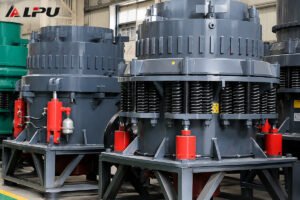
For secondary hard-rock crushing, a Multi-Cylinder Hydraulic Cone Crusher or another suitable cone crusher can be configured on the crawler chassis.
For limestone and recycling projects, an Impact Crusher may be more suitable depending on feed size and required product shape.
How Does a Crawler Mobile Crushing Plant Work?
The working process depends on the selected crawler configuration.
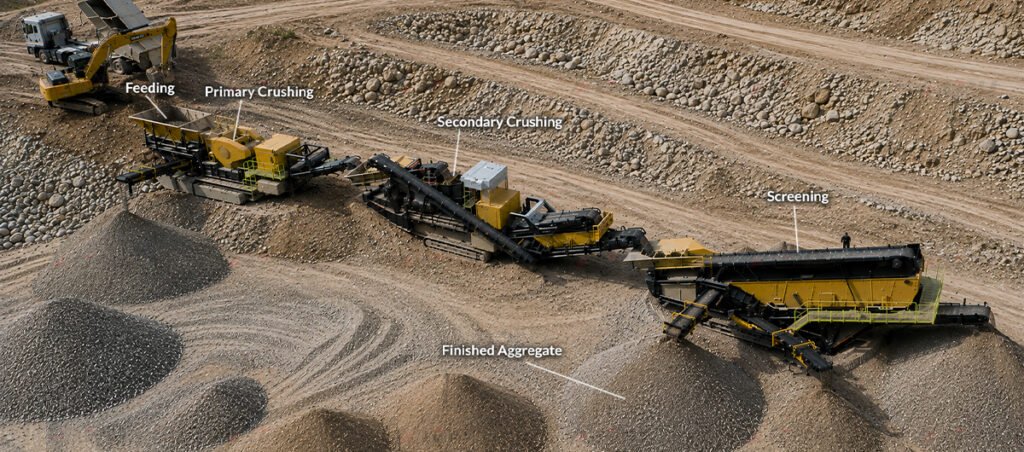
A typical operation includes:
Raw material is loaded into the hopper.
The vibrating feeder delivers material evenly to the crusher.
Large particles are reduced to the required intermediate size.
Crushed material is transferred by belt conveyor.
Material can enter a secondary crusher or vibrating screen.
The screen separates material into the required product sizes.
Qualified material is discharged to stockpiles.
Oversized material can be returned to the crusher when a closed circuit is required.
The tracked chassis allows the complete unit to move within the quarry, mine or construction site without requiring a separate towing vehicle for short-distance relocation.
Main Components
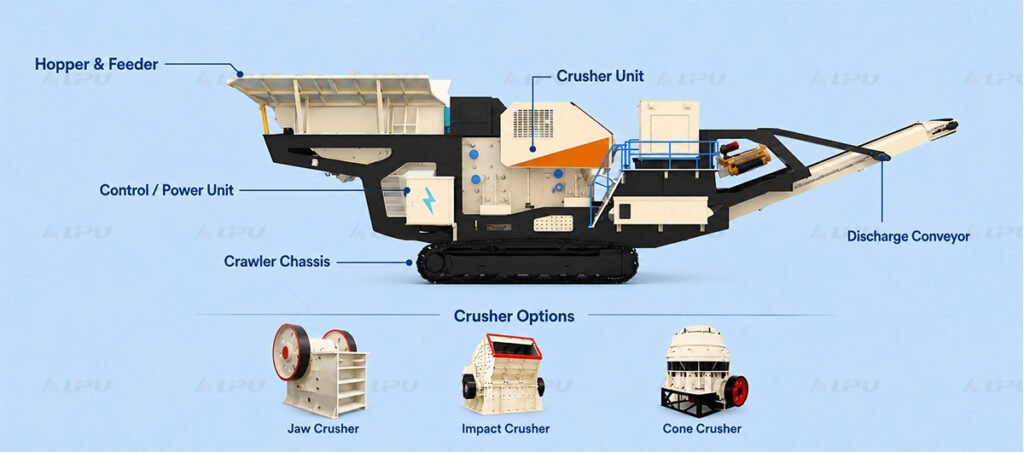
Main components and crusher options of a crawler mobile crushing plant
Depending on the selected configuration, a crawler mobile crushing plant may include:
Crawler chassis
Feed hopper
Vibrating feeder
Jaw crusher
Impact crusher
Cone crusher
Vibrating screen
Belt conveyors
Hydraulic system
Electrical control system
Lubrication system
Dust-control components
Access platforms and safety guards
Not every crawler plant contains all of these components.
A crawler jaw crushing unit, for example, is mainly designed for primary crushing, while a crawler screening unit focuses on product classification.
Why Choose a Crawler-Mounted Plant?
Crawler-mounted mobile equipment is designed for projects where on-site mobility is important.
Compared with a conventional stationary plant, crawler equipment can reduce the need for permanent foundations and simplify relocation inside the working area.
Compared with wheel-mounted mobile equipment, crawler plants offer several advantages in difficult terrain.
Typical benefits include:
Self-propelled movement
Better mobility on uneven ground
Easier relocation within quarries and mines
Reduced dependence on external towing equipment
Suitable for confined or irregular job sites
Flexible positioning near the working face
Easier adjustment as the excavation area changes
Crawler plants are particularly useful where the crushing point needs to move as mining or quarrying progresses.
Typical Crawler Crushing and Screening Process
Crawler mobile equipment can be configured as a single-stage or multi-stage system.
Working process of a crawler mobile crushing and screening plant
The final process should be designed according to material hardness, maximum feed size, required capacity, product size and site conditions.
Crawler Mobile Crushing Plant Technical Parameters
Primary Crawler Crushing Stations
Model
SE69L
SC96L
SC106L
Feeder
ZSW3896
ZSW3896
ZSW4211
Primary Crusher
PE69
SC96
SC106
Capacity (t/h)
100–180
120–455
155–580
These models are mainly used for primary crushing duties.
Secondary and Tertiary Crawler Crushing Stations
Model
SH43L
SH300L
Feeder
ZP100
ZP1000
Crusher
SH430
SHP300
Capacity (t/h)
63–305
120–445
These configurations are suitable for secondary or tertiary crushing depending on material characteristics and required product size.
Crawler Mobile Screening Stations
Model
S5X18L
S5X21L
Vibrating Screen
5X1860
5X2160
Capacity (t/h)
75–600
85–700
The actual production capacity depends on material size distribution, moisture content, screen opening and operating conditions.
For complete project selection, LIPU should confirm the raw material, maximum feed size, required throughput and final product specifications.
How to Select the Right Crawler Mobile Plant
Crawler mobile equipment should be selected according to the complete process rather than only nominal capacity.
Important project information includes:
Material type
Maximum feed size
Required capacity
Final product size
Number of finished product sizes
Material hardness
Material abrasiveness
Moisture content
Site terrain
Working area
Relocation frequency
Required crushing stages
For Primary Hard-Rock Crushing
A crawler jaw crusher is usually the first choice.
It is suitable for large feed sizes and hard materials such as granite, basalt and mining ore.
For Secondary Hard-Rock Crushing
A crawler cone crusher is generally more suitable for abrasive and hard materials.
Typical applications include granite, quartzite, river pebble and hard mining ore.
For Limestone and Recycling
A crawler impact crusher can be selected where product shape and recycling performance are important.
For Screening-Only Applications
If upstream crushing has already been completed, a crawler mobile screening plant can be used for final classification and stockpile separation.
The final equipment configuration should be based on the actual process requirements and site conditions.
Why Choose LIPU?
LIPU Heavy Industry provides crushing, screening and mineral processing equipment for quarrying, mining and aggregate projects.
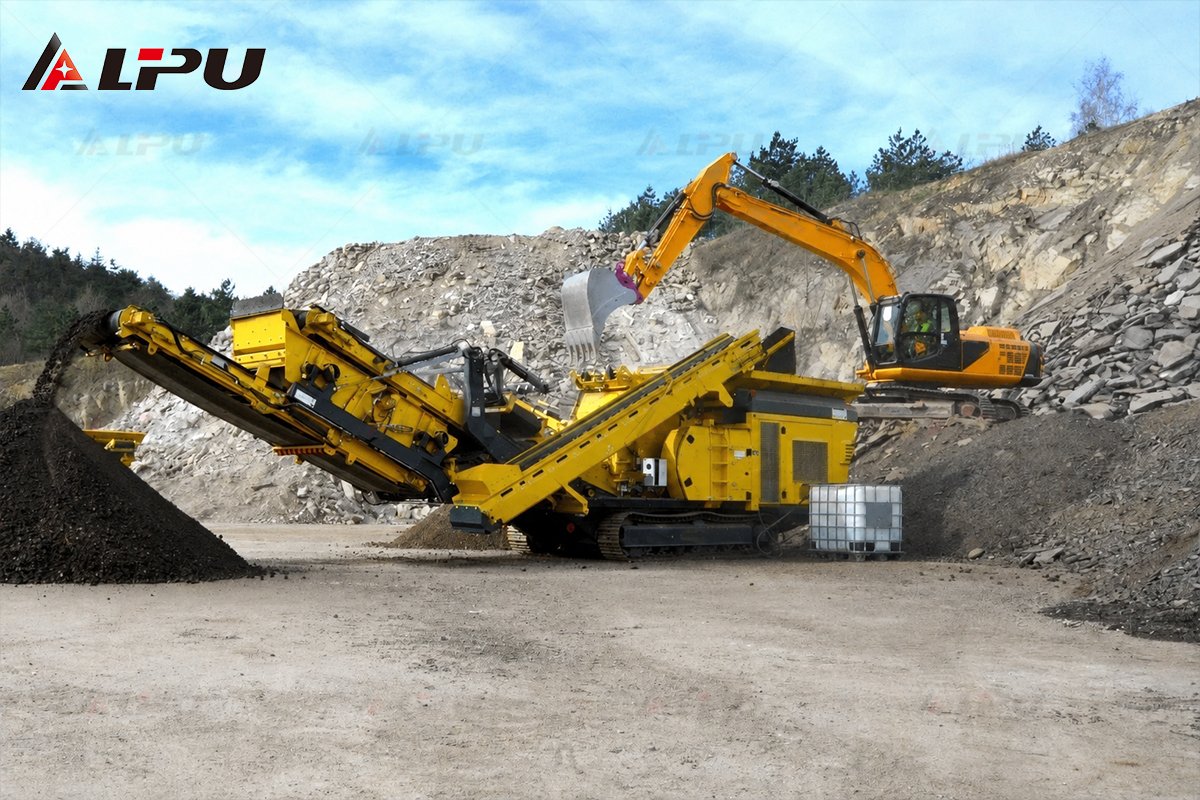
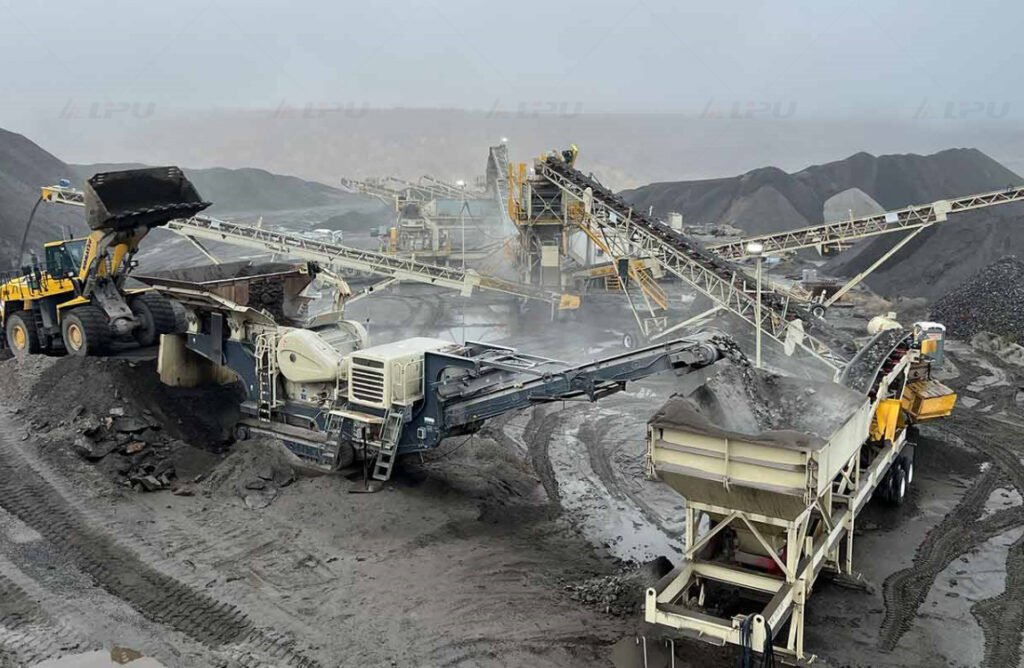
Crawler mobile crusher for mining ore processing
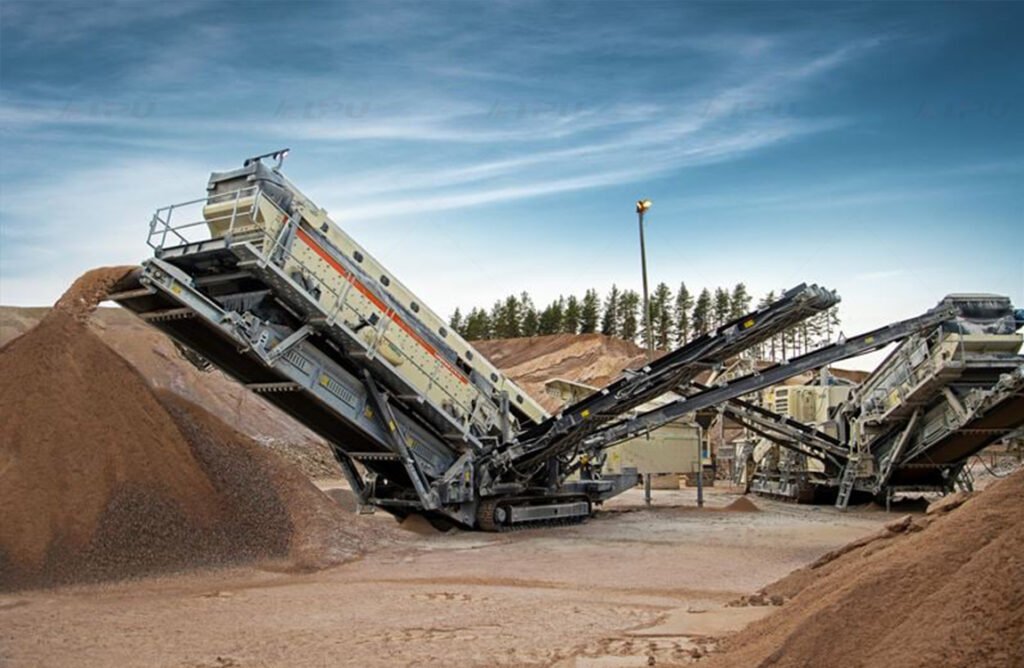
Crawler mobile plant processing quarry aggregates
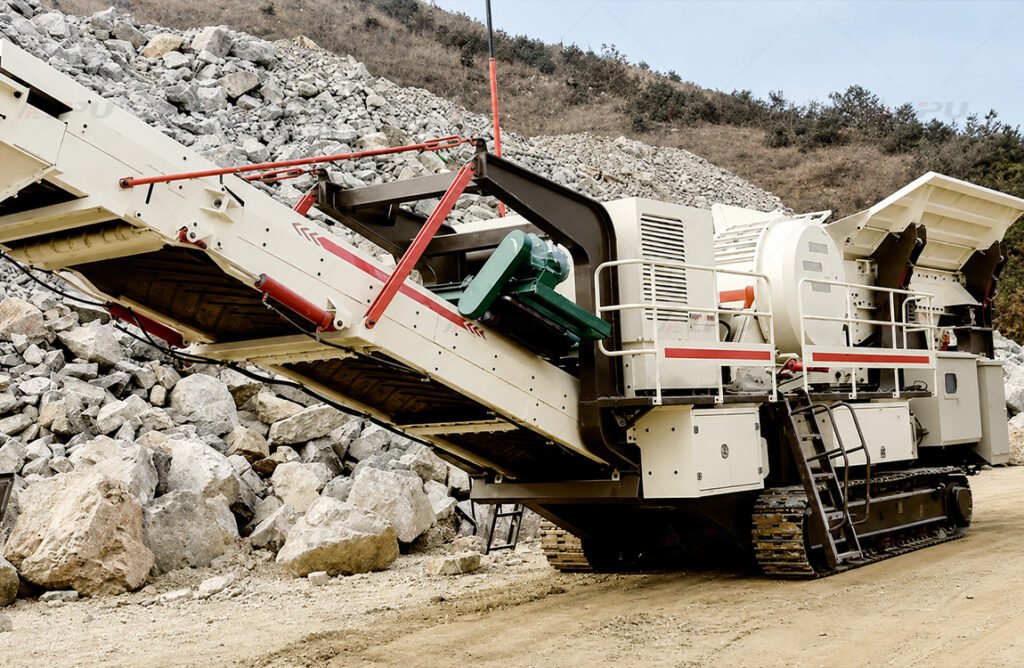
Crawler mobile crusher processing limestone at a quarry site
For crawler mobile crushing projects, LIPU can assist with:
Material analysis
Process design
Crusher selection
Screen selection
Crawler chassis configuration
Crushing circuit design
Closed-circuit configuration
Equipment manufacturing
Factory testing
Installation guidance
Commissioning support
Wear parts supply
Spare parts supply
After-sales technical support
Crawler mobile units can also be combined with stationary or wheel-mounted crushing and screening equipment where project conditions require a hybrid system.
Frequently Asked Questions
What is the main advantage of a crawler mobile crushing plant?
The main advantage is on-site mobility. The tracked chassis allows the equipment to move within quarries, mines and construction sites without requiring a separate towing vehicle for short-distance relocation.
What materials can a crawler mobile crusher process?
Typical materials include granite, basalt, limestone, river pebble, quartzite, mining ore, concrete and construction waste. The crusher type should be selected according to material hardness and abrasiveness.
What is the difference between crawler and wheel-mounted mobile plants?
Crawler plants are self-propelled and generally better suited to uneven terrain and frequent movement within the site. Wheel-mounted plants are commonly transported between sites by tractor or transport vehicle.
Can crawler mobile plants form a complete crushing line?
Yes. Crawler jaw crushers, cone crushers, impact crushers and screening plants can be connected to form a complete multi-stage crushing and screening system.
What information is required to select a crawler mobile crushing plant?
Provide the material type, maximum feed size, required capacity, final product sizes, site terrain and relocation requirements. These factors determine the crusher type, screening configuration and crawler chassis selection.
LET US REACH YOUNeed detailed customization and latest price? Chat online or leave message below!
How we use cookies
This Cookie Privacy Policy statement explains how Zoneding Machine (hereinafter referred to as "we", "our", or "this website") uses cookies and similar technologies (collectively referred to as "cookies") to identify you when you visit our website lepuu.com. It explains what these technologies are, why we use them, and your rights to control our use of them.
Privacy Policy
Leave a Message
We will reply to you within 24 hours
Hello, I am Lipu Heavy Industry, what can we do for you please?