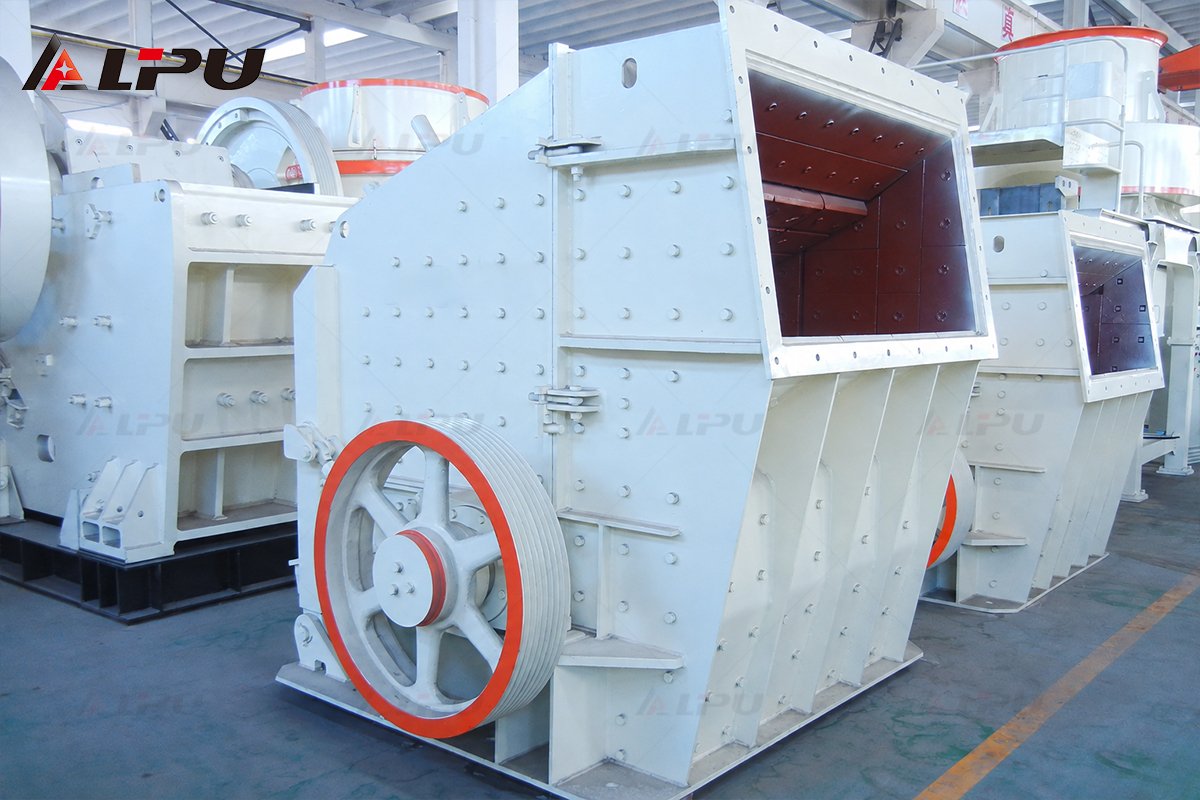
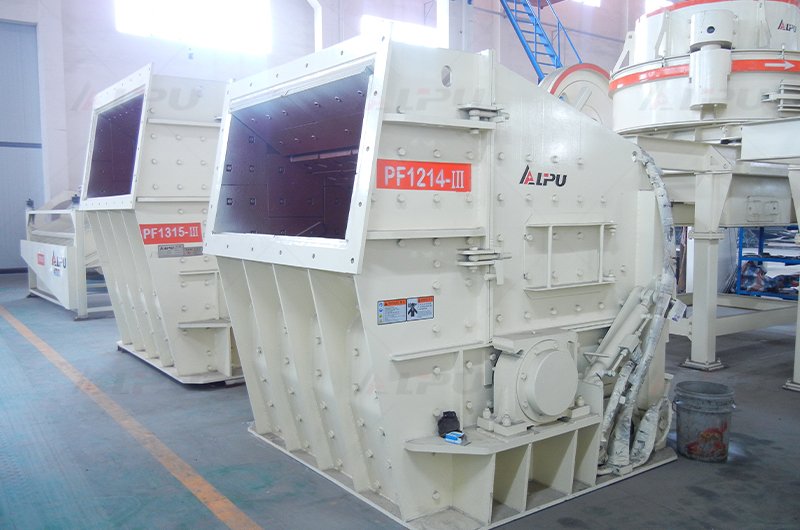
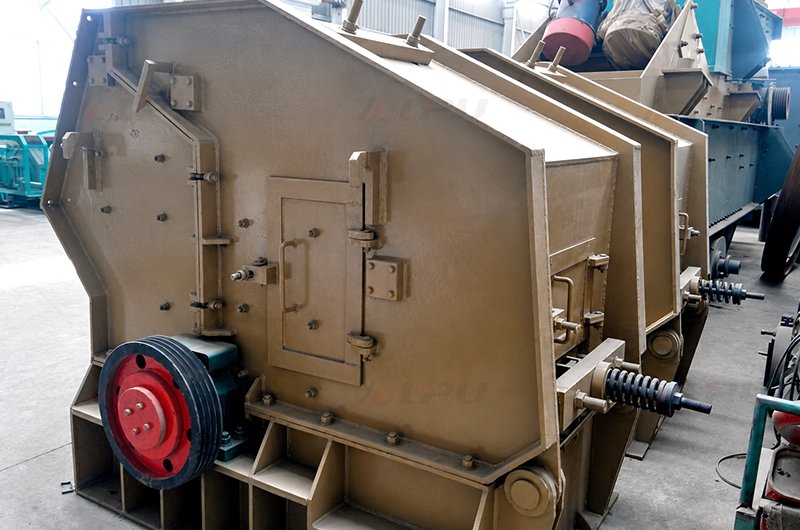
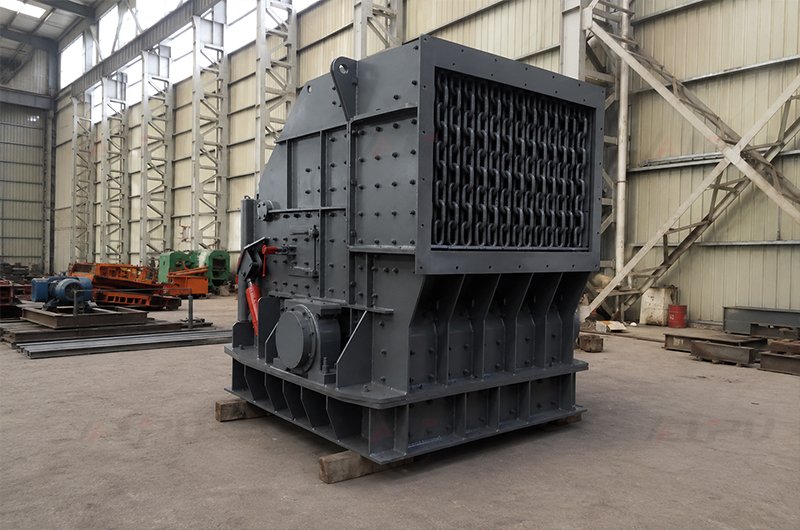
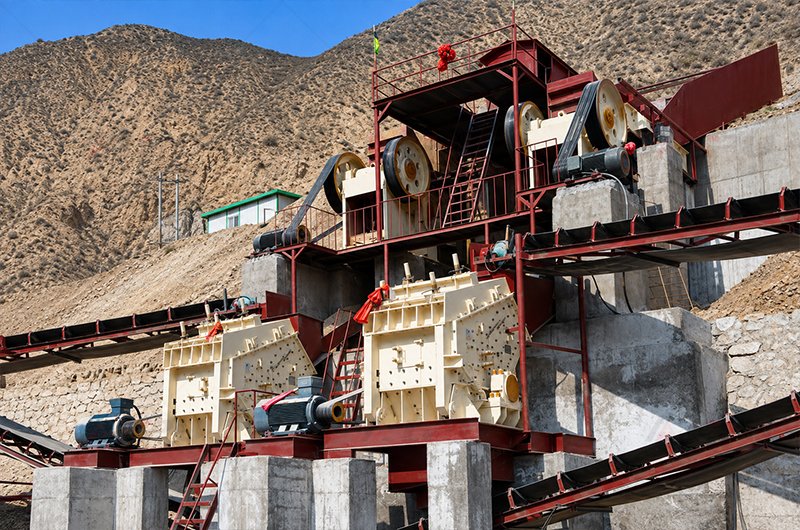
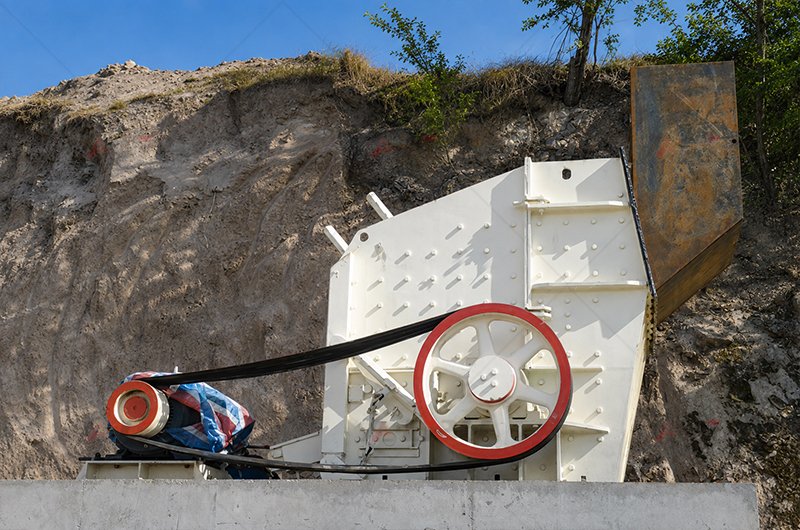
LIPU impact crushers are designed for secondary crushing of medium-hard materials in aggregate production, quarrying, mineral processing, construction waste recycling, and other industrial applications.
Different models can be selected according to feed size, material hardness, required capacity, final product size, and the complete crushing process.
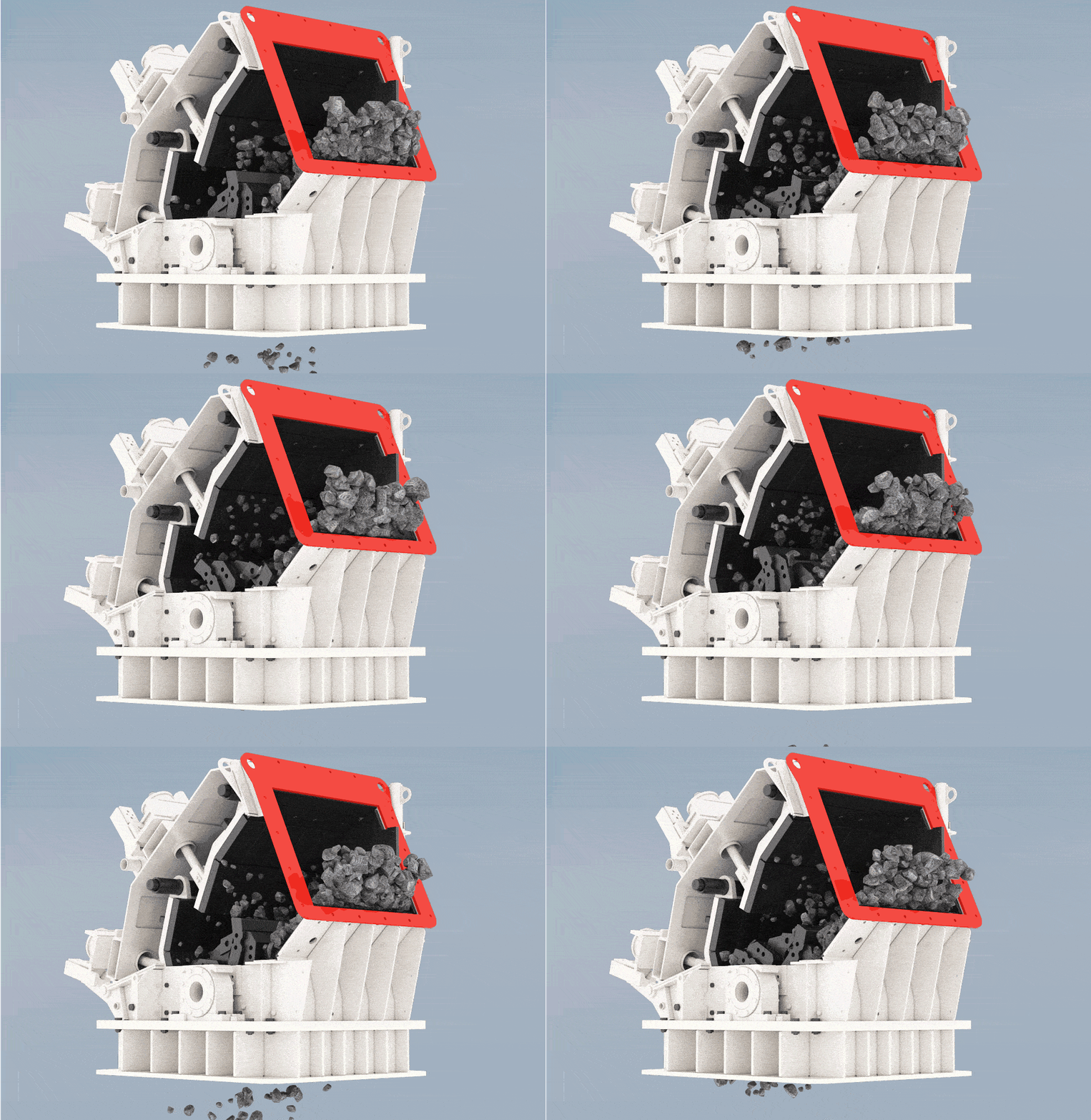
An impact crusher is a crushing machine that uses high-speed impact force to break material.
Material enters the crushing chamber and is struck by the rapidly rotating blow bars mounted on the rotor. The material is thrown toward the impact plates, where it is further broken by repeated impact and collision.
Compared with compression crushers, impact crushers are often selected when product shape, particle grading, and secondary crushing performance are important.
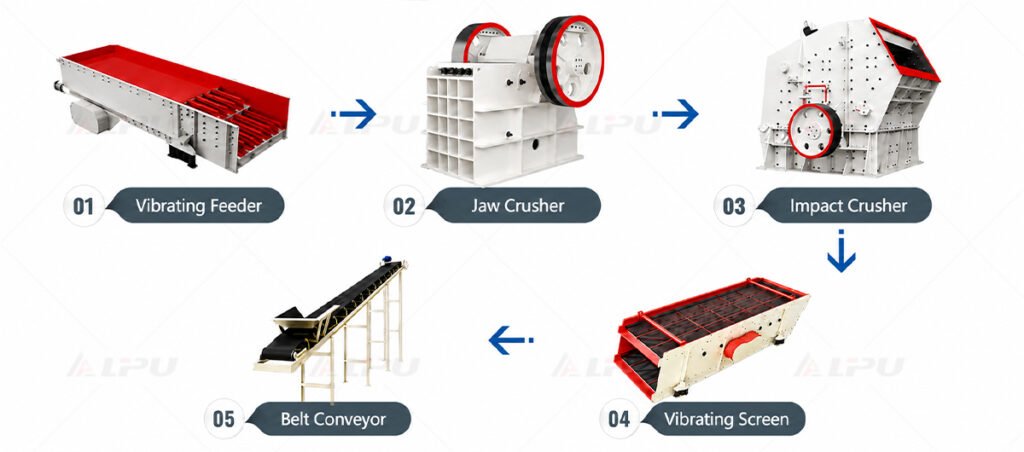
They are commonly used after a jaw crusher or other primary crushing equipment.
Impact Crusher Types and Features
LIPU provides different impact crusher configurations for quarrying, aggregate production, mineral processing, and construction waste recycling. The suitable type depends on feed size, material characteristics, required capacity, final product size, and the overall crushing circuit.
PF Series Impact Crusher
PF series impact crushers are widely used for secondary crushing of limestone, dolomite, sandstone, concrete, and other medium-hard materials.
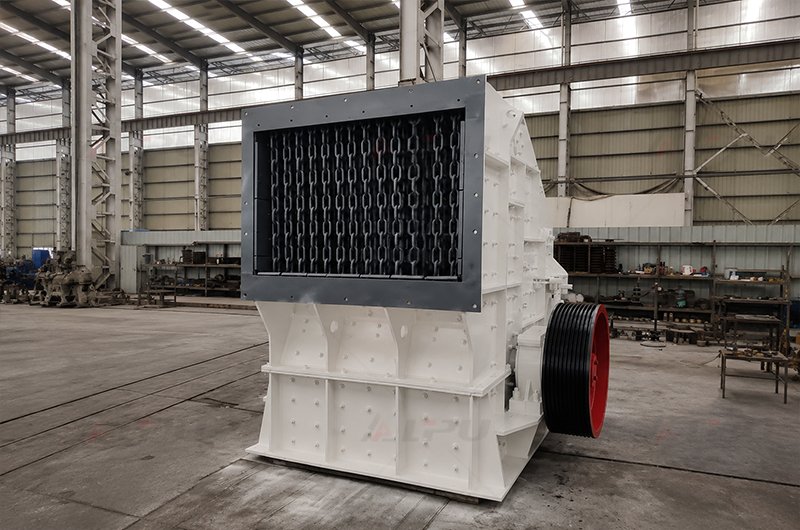
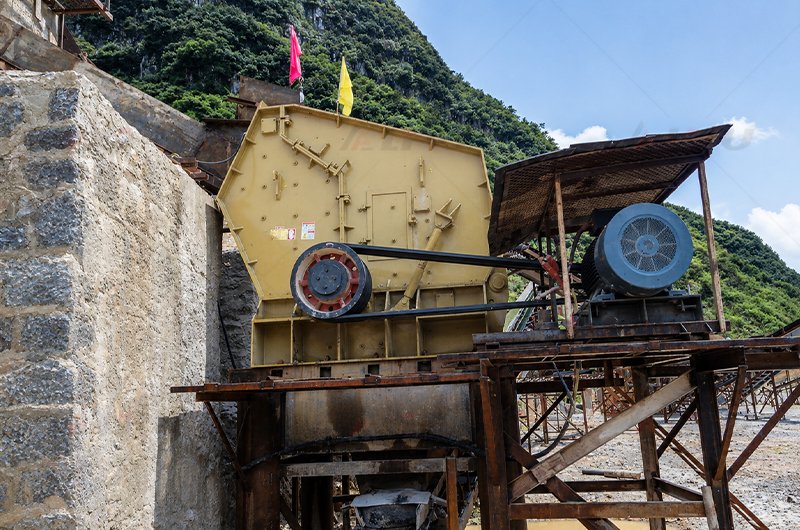
PF impact crusher
PF Series Impact Crusher
Typical features include:
Simple and proven crushing structure
High-speed impact crushing
Adjustable discharge size
Good aggregate particle shape
Replaceable blow bars and impact plates
Suitable for medium and large stationary crushing plants
PF models are available in different rotor sizes and capacities to match different production requirements.
Heavy-Duty Impact Crusher
For larger feed sizes or higher-capacity applications, LIPU can provide heavy-duty impact crusher configurations with larger crushing chambers and strengthened rotor structures.
Heavy-Duty Impact Crusher
Large-aperture impact crusher
These machines are generally selected for:
Higher-capacity aggregate plants
Larger feed sizes
Quarry and mining applications
Continuous heavy-duty operation
Multi-stage crushing systems
Specific rotor size, motor power, and chamber configuration should be selected according to the actual material and production requirements.
Mobile Impact Crusher
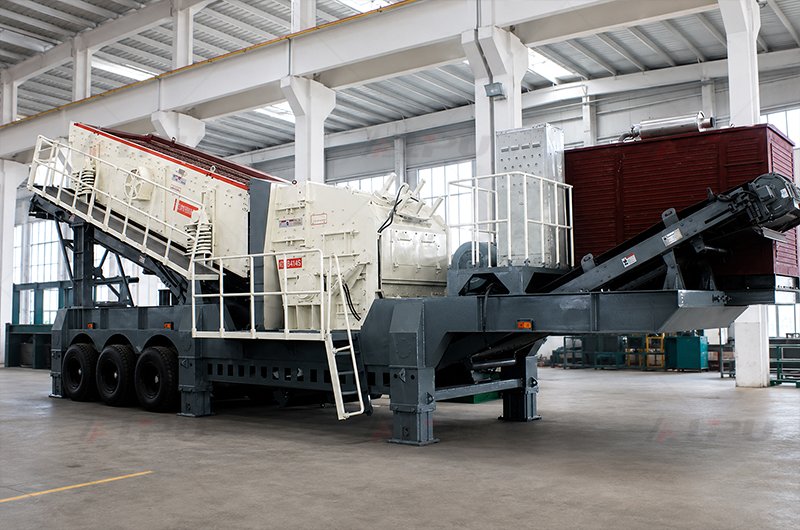
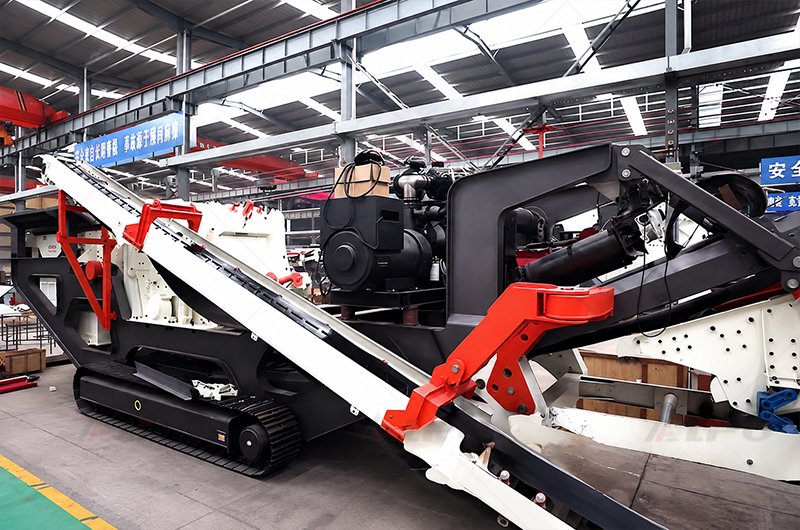
Impact crushers can also be integrated into mobile crushing plants for projects requiring flexible relocation and shorter site installation time.
Tire-mounted impact crusher
Crawler-type impact crusher
A mobile impact crushing plant can combine:
Feeding
Impact crushing
Screening
Conveying
Magnetic removal for recycled materials
This configuration is commonly used for quarry projects, road construction, demolition waste recycling, and temporary aggregate production sites.
The final crusher type and configuration should be selected according to material hardness, abrasiveness, feed size, capacity, required aggregate specifications, and site conditions.
Application-Specific Configuration
Impact crusher performance depends on the complete crushing system rather than the crusher alone.
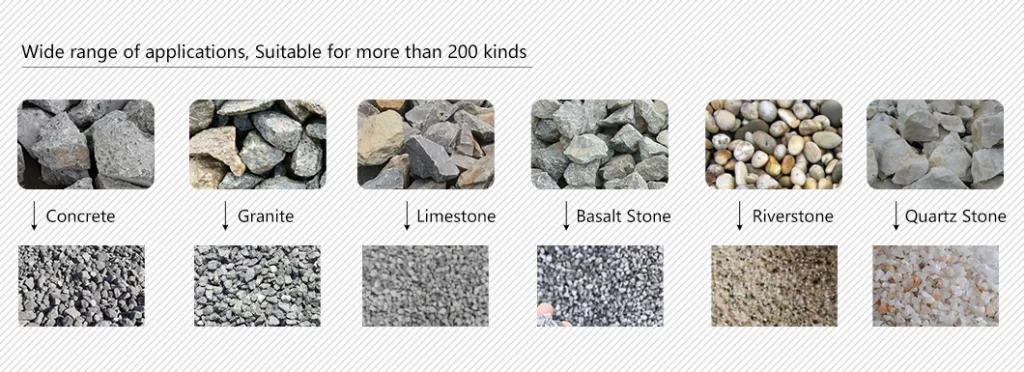
Materials Processed by Impact Crushers
The feeding system, rotor configuration, blow bars, impact plates, discharge adjustment, screening equipment, and conveyors should be matched according to project requirements.
For complete aggregate production lines, an impact crusher can work together with primary crushing, screening, conveying, and return-material systems.
Materials and Applications
LIPU impact crushers can be used for a range of medium-hard rocks, ores, and recycled materials.
Typical materials include:
Limestone
Dolomite
Concrete
Construction waste
Coal gangue
Gypsum
Sandstone
Medium-hard mineral materials
Other suitable non-abrasive or moderately abrasive materials
Typical applications include:
Quarry aggregate production
Road base material production
Concrete aggregate processing
Construction waste recycling
Secondary crushing in mineral processing
Manufactured aggregate production
Crushing and shaping of suitable medium-hard materials
Material hardness and abrasiveness should always be considered before selecting an impact crusher.
For highly abrasive hard rock, a cone crusher may be more suitable depending on the application.
How Does an Impact Crusher Work?
Material enters the crushing chamber through the feed opening.
The high-speed rotor drives the blow bars to strike the incoming material.
After the initial impact, the material is thrown toward the impact plates and is broken again.
This process may repeat several times before the material becomes small enough to leave through the discharge opening.
Working Principle of Impact Crusher
Particle size is controlled by factors such as:
Rotor speed
Blow bar configuration
Impact plate position
Crushing chamber design
Feed size
Material characteristics
Discharge adjustment
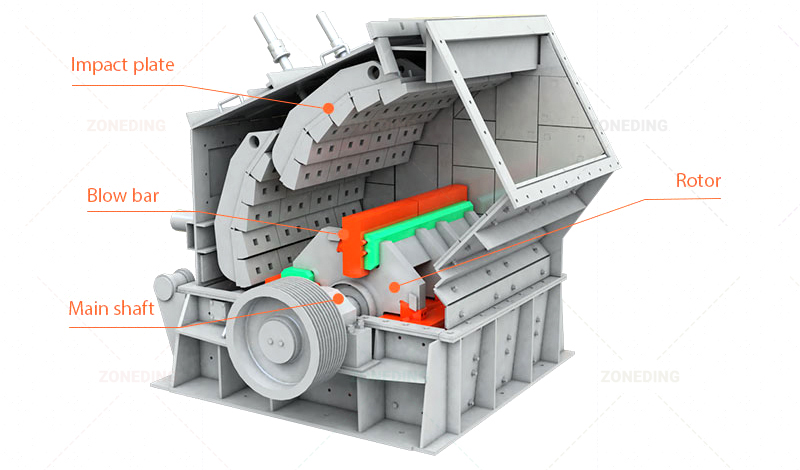
Main Impact Crusher Components
A typical impact crusher includes:
Structure of an impact crusher
Feed opening
Rotor
Blow bars
Impact plates
Crushing chamber
Adjustment device
Main shaft
Bearings
Drive motor
Belt transmission
Crusher housing
Discharge opening
The rotor and blow bars provide the main impact force.
Impact plates receive the thrown material and provide secondary breakage, while the adjustment system helps control the discharge size.
When Is an Impact Crusher the Right Choice?
An impact crusher is especially suitable when the project requires secondary crushing and good particle shape.
It is commonly selected when:
The material is medium-hard rather than extremely abrasive
Cubical aggregate shape is important
A large reduction ratio is required
The crusher works after primary jaw crushing
The project processes limestone, concrete, or similar materials
Construction waste recycling is required
However, an impact crusher is not the best choice for every material.
For hard and highly abrasive rock such as some granites, basalts, and iron-rich ores, wear costs may increase. In these cases, a cone crusher may offer better long-term wear performance.
The final selection should therefore consider both crushing performance and operating cost.
Impact Crushing Process
An impact crusher normally works as part of a complete crushing and screening system.
The complete process should be designed according to:
Raw material
Maximum feed size
Required capacity
Final product sizes
Number of finished aggregate specifications
Material abrasiveness
Site conditions
Closed or open circuit requirement
Impact Crusher Technical Parameters
Impact crusher capacity and performance depend on feed size, material hardness, rotor configuration, discharge setting, and the complete crushing circuit.
Use the existing PF series technical parameter table in this section.
Impact Crusher Specifications
Model
Specification
(mm)
Feed
Opening(mm)
The Maximum
Feeding Size(mm)
Capacity
(t/h)
Power
(kw)
Overall
Dimension(L×W×H)(mm)
Total
Weight(t)
PF-1007
Φ1000×700
400×730
300
30-70
4P 37-45
2330×1660×2300
12
PF-1010
Φ1000×1050
400×1080
350
50-90
4P 45-55
2370×1700×2390
15
PF-1210
Φ1250×1050
400×1080
350
70-130
6P 110
2680×2160×2800
17.7
PF-1214
Φ1250×1400
400×1430
350
80-180
6P 132
2650×2460×2800
22.4
PF-1315
Φ1320×1500
860×1520
500
100-280
6P 200
3180×2720×3120
27
PF-1320
Φ1300×2000
993×2000
500
140-380
6P 250
3220×3100×3120
34
PF-1520
Φ1500×2000
830×2040
700
200-550
4P 315-400
3959×3564×3330
50.6
PF-1820
Φ1800×2000
1260×2040
800
400-800
4P 630-710
4400×3866×4009
83.21
Actual processing capacity may vary according to material characteristics, feed gradation, moisture, discharge requirements, and operating conditions.
The technical parameters should therefore be used for preliminary model selection rather than as guaranteed output under all conditions.
How to Select the Right Impact Crusher
Impact crusher selection should be based on the material and complete crushing process rather than capacity alone.
For preliminary selection, please provide:
Material type
Maximum feed size
Required capacity
Required final product size
Number of finished product sizes
Material hardness
Material abrasiveness
Moisture condition
Upstream crusher type
Screening requirements
Project location
Important selection factors include:
Material Hardness and Abrasiveness
Impact crushers are best suited to medium-hard materials. Highly abrasive rock may increase blow bar and impact plate wear.
Feed Size
The maximum feed size should match the selected crusher model and upstream crushing stage.
Required Product Size
The final product size affects discharge adjustment, screening arrangement, and closed-circuit design.
Required Capacity
Capacity should be evaluated together with feed gradation, material characteristics, and the number of finished product specifications.
Wear Parts
Blow bars and impact plates are major wear components. Material abrasiveness and operating conditions should be considered when evaluating long-term operating cost.
Complete Crushing Circuit
The impact crusher should be selected together with the feeder, primary crusher, screen, conveyors, and return system.
Why Choose LIPU?
LIPU Heavy Industry provides equipment for crushing, screening, grinding, classification, and mineral processing projects.
For impact crusher applications, LIPU can assist with:
South Africa customer site
Bangladesh customer site
Mexico customer site
Crusher model selection
Primary and secondary crusher matching
Crushing circuit arrangement
Screening equipment matching
Conveyor and return-material system configuration
Equipment manufacturing
Factory inspection and testing
Installation and commissioning support
Wear parts supply
Technical service
For complete aggregate and mineral processing projects, the impact crusher can be selected as part of the entire crushing and screening line rather than as an isolated machine.
Frequently Asked Questions
What materials are suitable for an impact crusher?
Impact crushers are commonly used for limestone, dolomite, sandstone, concrete, construction waste, gypsum, coal gangue, and other suitable medium-hard materials.
What is the difference between an impact crusher and a jaw crusher?
A jaw crusher mainly uses compression and is commonly used for primary crushing. An impact crusher uses high-speed impact force and is more commonly used for secondary crushing and product shaping.
Is an impact crusher suitable for hard rock?
It can process some hard materials, but highly abrasive rock may cause faster wear of blow bars and impact plates. A cone crusher may be more suitable for some hard and abrasive applications.
What determines impact crusher capacity?
Capacity depends on feed size, material hardness, feed gradation, rotor configuration, discharge setting, moisture, and the complete crushing circuit.
Can LIPU provide a complete impact crushing line?
Yes. LIPU can provide equipment matching for feeding, primary crushing, secondary impact crushing, screening, conveying, and closed-circuit return systems.
LET US REACH YOUNeed detailed customization and latest price? Chat online or leave message below!
How we use cookies
This Cookie Privacy Policy statement explains how Zoneding Machine (hereinafter referred to as "we", "our", or "this website") uses cookies and similar technologies (collectively referred to as "cookies") to identify you when you visit our website lepuu.com. It explains what these technologies are, why we use them, and your rights to control our use of them.
Privacy Policy
Leave a Message
We will reply to you within 24 hours
Hello, I am Lipu Heavy Industry, what can we do for you please?