Efficient Slurry Dewatering for Mining, Sand and Tailings
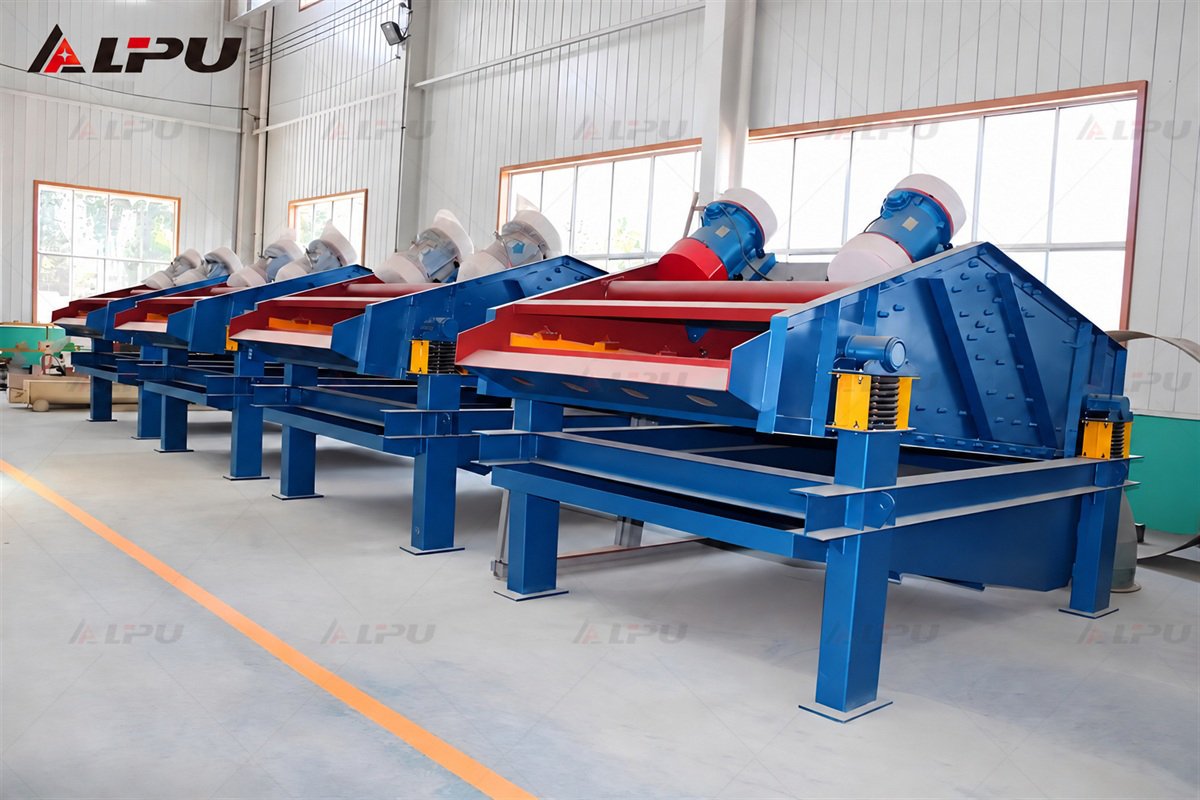
Lipu Dewatering Screens remove water from slurry and fine materials for tailings, sand recovery, coal slurry, and mineral processing. Dual-motor vibration delivers efficient dewatering and a drier discharge.
Capacity: 5–250 TPH
Feed Size: <10 mm
Screen Area: 1.6–10.8 m²
Application: Tailings, sand, coal slurry, mineral concentrates and industrial slurry
A dewatering screen is a vibrating screening machine used to separate water from fine solids. Wet material is fed onto the inclined screen surface, where vibration conveys solids toward the discharge end while water passes through the screen openings.
It is widely used where lower moisture content, improved material recovery, or efficient slurry handling is required. Typical applications include mineral-processing tailings, washed sand, coal slurry, quartz sand, ceramic slurry, and fine aggregate.
How Does a Dewatering Screen Work?
The screen is driven by two vibration motors operating in synchronized opposite rotation. Their combined force creates linear vibration, moving material along the inclined screen deck.
Slurry or wet material enters the feed box and is distributed across the screen surface.
Vibration stratifies the material and transports solids toward the discharge end.
Free water and undersize particles pass through the screen media.
Retained solids form a compact material bed and discharge with reduced moisture.
The screen angle, vibration amplitude, frequency, and screen opening can be selected according to material characteristics and required dewatering performance.
Key Features
High Dewatering Efficiency
High-frequency linear vibration helps release free water quickly and improves solid-liquid separation.
Drier Discharge Material
The inclined screen surface promotes drainage and produces a more manageable solid product for stockpiling, transport, or further processing.
Stable Large-Capacity Operation
The rigid frame and dual-motor drive support continuous processing of high-flow slurry and fine materials.
Wear-Resistant Design
Screen media and contact surfaces can be selected for abrasive materials to reduce wear and extend service life.
Flexible Screen Media Selection
Polyurethane, rubber, wedge-wire, or other suitable screen panels can be configured according to particle size, abrasion level, and dewatering target.
Easy Maintenance
Modular screen panels and accessible drive components simplify routine inspection and replacement.
Main Components
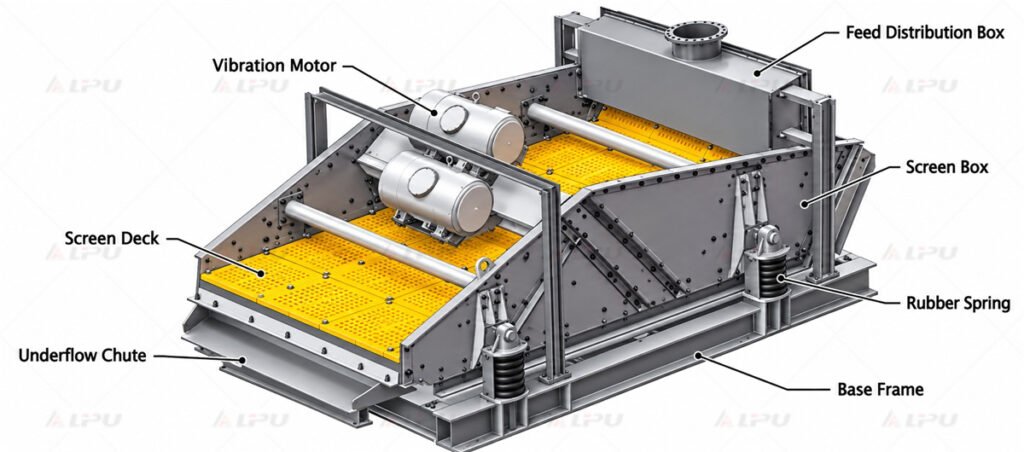
A Lipu Dewatering Screen typically includes:
Main components of a dewatering screen
Screen frame
Feed box
Screen deck and screen media
Dual vibration motors
Vibration exciter or eccentric drive system
Side plates and reinforcing members
Support springs
Base frame
Water discharge area
Solid-material discharge chute
Each component works together to maintain stable vibration, effective drainage, and reliable material transport.
Applications
Lipu Dewatering Screens are suitable for:
Tailings dewatering in mineral-processing plants
Sand recovery and washed sand dewatering
Coal slurry dewatering
Quartz sand processing
Fine aggregate washing systems
Mineral concentrate dewatering
Ceramic slurry treatment
Desliming and dewatering of fine industrial materials
Suitable Materials
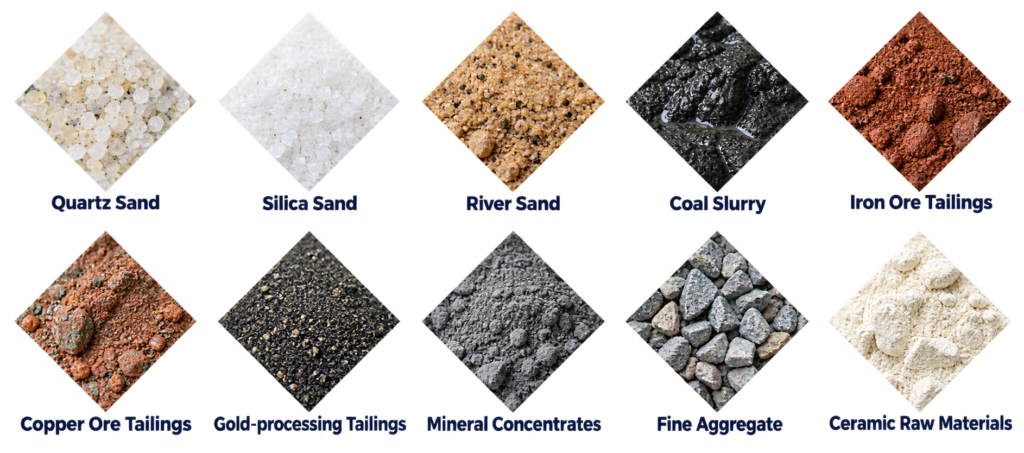
This equipment can process wet fine materials and slurry containing:
Suitable materials for efficient dewatering in sand, tailings and mineral processing
Quartz sand
Silica sand
River sand
Coal slurry
Iron ore tailings
Copper ore tailings
Gold-processing tailings
Mineral concentrates
Fine aggregate
Ceramic raw materials
Technical Specifications
Model
Screen Area (m²)
Motor Power (kW)
Feed Size (mm)
Capacity (TPH)
DN0820
1.6
0.75 × 2
<10
5–10
DN1020
2.0
1.1 × 2
<10
10–20
DN1225
3.0
2.2 × 2
<10
30–50
DM1530
4.5
3.0 × 2
<10
50–70
DN1836
6.5
3.7 × 2
<10
70–110
DN2040
8.0
5.5 × 2
<10
120–160
DN2245
9.9
15 × 2
<10
160–220
DN2445
10.8
18.5 × 2
<10
220–250
Capacity values are for reference only. Actual performance depends on feed concentration, particle-size distribution, material properties, screen media, and operating conditions.
Why Choose Lipu?
Lipu provides practical dewatering solutions for mining and aggregate operations. Our team can recommend suitable screen area, motor power, screen media, and supporting equipment based on your feed material and moisture target.
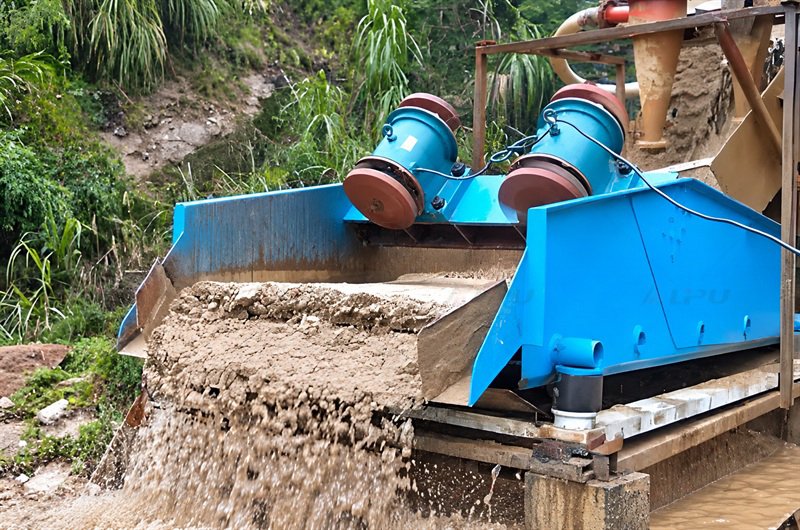
Dewatering wet sand and fine aggregate at a quarry site
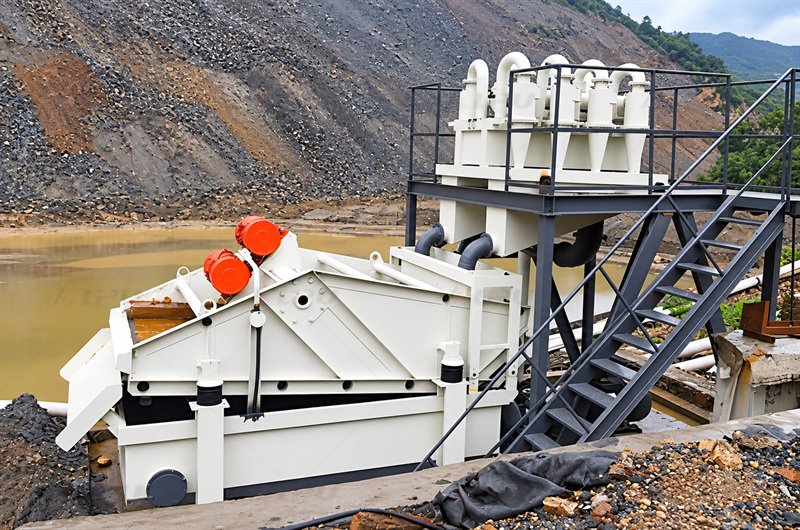
Dewatering slurry in an integrated sand washing system
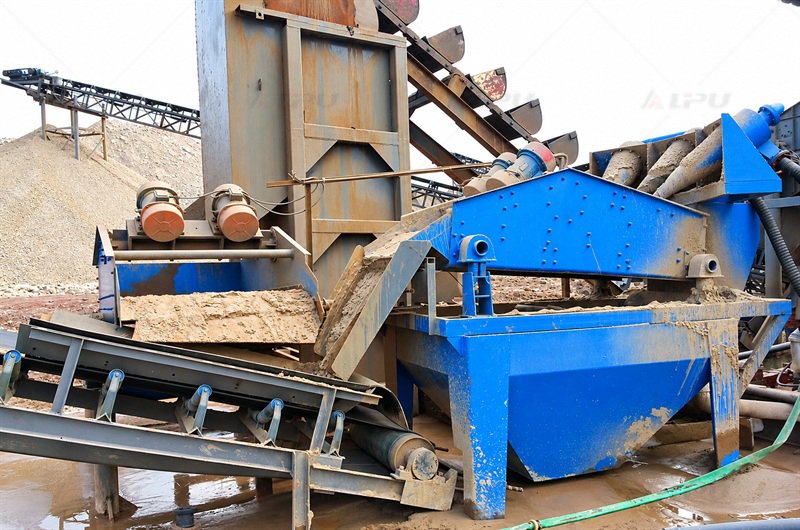
Dewatering screen used in a sand processing plant
Application-based equipment selection
Durable construction for wet and abrasive duties
Configurable screen media and screen openings
Technical support for installation and commissioning
Spare-parts and maintenance support
FAQ
What is the main purpose of a dewatering screen?
It removes free water from slurry and wet fine materials, producing a drier solid discharge.
Can a dewatering screen recover fine sand?
Yes. It is commonly used in sand washing and sand recovery systems to retain fine particles while removing excess water.
What screen media is suitable for abrasive materials?
Polyurethane and rubber screen panels are commonly selected for abrasive mineral sands and tailings because of their wear resistance.
Can the machine handle tailings slurry?
Yes. Dewatering screens are widely used for tailings dewatering and water recovery in mineral-processing plants.
How do I select the right model?
Please provide material type, feed size, slurry concentration, required capacity, and target moisture content. Lipu will recommend a suitable configuration.
LET US REACH YOUNeed detailed customization and latest price? Chat online or leave message below!
How we use cookies
This Cookie Privacy Policy statement explains how Zoneding Machine (hereinafter referred to as "we", "our", or "this website") uses cookies and similar technologies (collectively referred to as "cookies") to identify you when you visit our website lepuu.com. It explains what these technologies are, why we use them, and your rights to control our use of them.
Privacy Policy
Leave a Message
We will reply to you within 24 hours
Hello, I am Lipu Heavy Industry, what can we do for you please?