Gold CIL Plant Configuration for Your Ore and Capacity
LIPU configures gold CIL processing plants around ore leachability, slurry conditions, target capacity, and downstream handling requirements.Where cyanide leaching is appropriate for the ore and project conditions, we help arrange grinding, leaching, carbon adsorption, gold recovery, and tailings handling into a practical processing route.
Gold CIL processing may be considered when gold can be economically leached and recovered through activated carbon adsorption. It is commonly evaluated for suitable oxidized ores, selected hard rock gold ores, and gravity tailings that retain recoverable leachable gold.
CIL is not a fixed solution for every gold ore. Ore mineralogy, gold occurrence, leachability, cyanide consumption, preg-robbing behavior, grind size, and environmental requirements should be reviewed before selecting this route.
LIPU helps organize the relevant process stages around available project information, providing a practical basis for further engineering and equipment selection.
Gold CIL Processing Flow
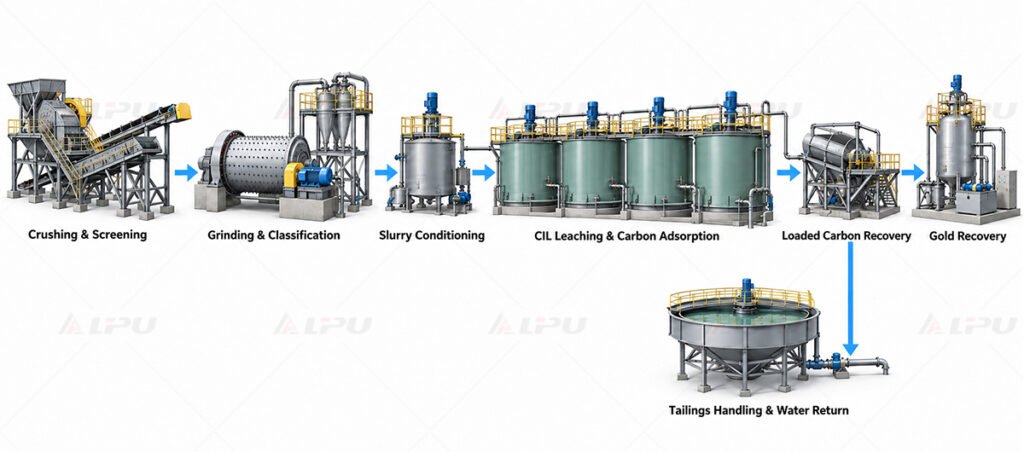
A typical gold CIL plant may include the following connected stages:
Complete gold CIL processing circuit and plant flowsheet
Crushing and Screening Run-of-mine ore is reduced to a suitable size for grinding. The crushing circuit may include primary crushing, secondary crushing, screening, and fine ore storage, depending on feed size and capacity.
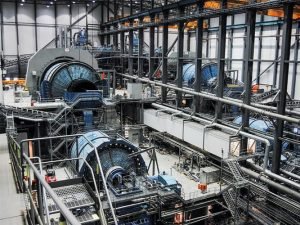
Grinding and Classification The crushed ore is ground to release gold-bearing minerals from gangue material. A ball mill and classification circuit are commonly used to prepare slurry at the required particle size for downstream leaching.
Slurry Conditioning Ground slurry may be adjusted or thickened before entering the CIL circuit, depending on the selected process arrangement and operating conditions.
CIL Leaching and Carbon Adsorption Cyanide leaching and activated-carbon adsorption take place through a sequence of agitated tanks. Dissolved gold is adsorbed onto activated carbon while the slurry moves through the circuit.
Loaded Carbon Recovery Loaded carbon is separated from the slurry and transferred to the selected downstream gold recovery arrangement.
Gold Recovery and Tailings Handling The downstream section may include carbon treatment, gold recovery, tailings dewatering, solution management, and water return stages according to project requirements.
Key Stages in a Gold CIL Plant
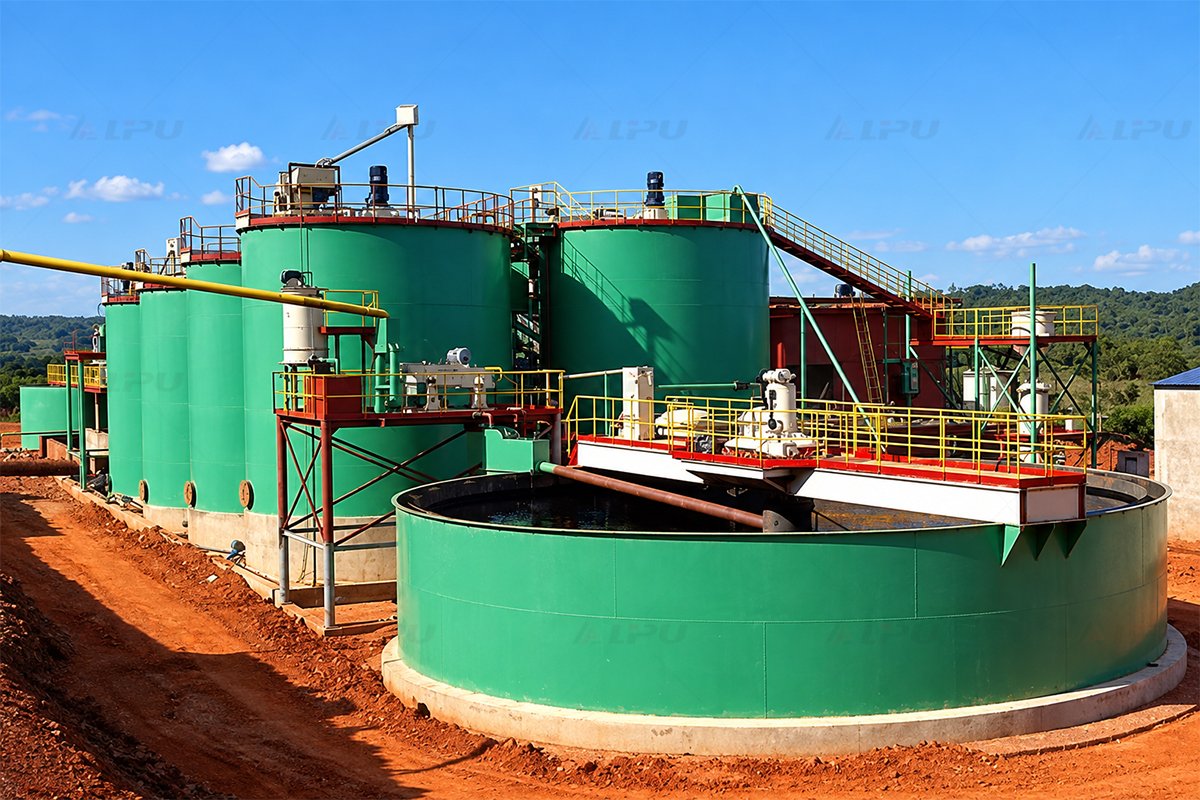
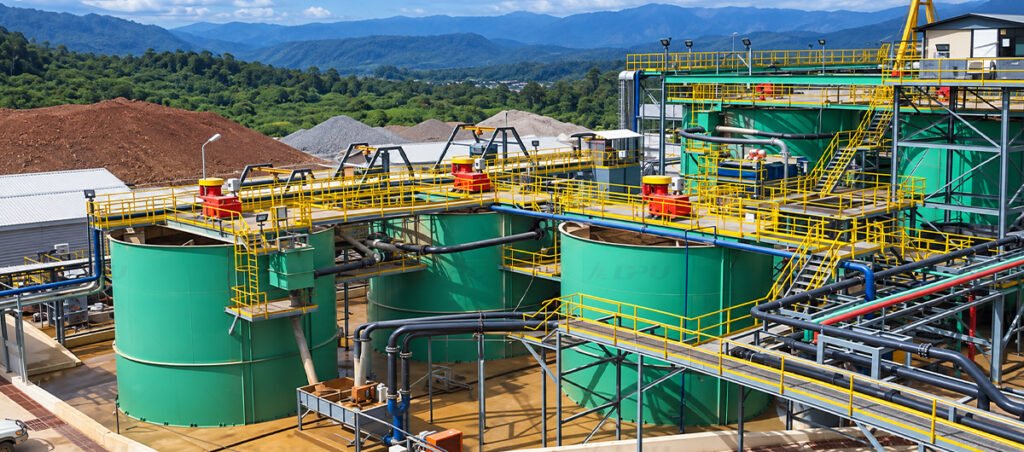
A gold CIL circuit uses connected agitated tanks for leaching and activated-carbon adsorption
Ore preparation Consistent feed size and suitable grinding conditions help create a stable slurry for the leaching and adsorption circuit.
CIL leaching and adsorption The defining feature of CIL is that leaching and carbon adsorption occur together in the same series of agitated tanks. This differs from CIP, where adsorption follows a separate leaching stage.
Carbon handling Carbon movement, screening, recovery, and transfer should be arranged to suit plant capacity, operating conditions, and the selected gold recovery method.
Tailings and water management Tailings dewatering, solution circulation, and water return should be considered as part of the complete plant configuration rather than as separate afterthoughts.
What Shapes a CIL Plant Configuration
A practical CIL plant is configured around project-specific conditions, including:
Ore mineralogy and gold occurrence
Available leachability or metallurgical test information
Feed size and required grinding fineness
Target processing capacity and operating schedule
Slurry density and material-handling conditions
Carbon handling and downstream gold recovery requirements
Tailings treatment, water balance, and site layout
Local permitting, safety, and environmental requirements
The final process route should be confirmed through appropriate metallurgical evaluation and project-specific engineering.
CIL and CIP: What Is the Difference?
Both CIL and CIP use activated carbon to recover dissolved gold from slurry. The main difference is the sequence of leaching and adsorption.
Process
Leaching
Carbon Adsorption
CIL
Takes place in the CIL tank sequence
Takes place at the same time as leaching
CIP
Completed before adsorption
Takes place in separate adsorption tanks
CIL may offer a practical route where simultaneous leaching and adsorption suit the ore and project conditions. The correct choice should be based on ore behavior and the overall processing objective.
From Ore Information to a Practical CIL Plant
A gold CIL plant is not simply a collection of tanks and equipment. It is a connected system that begins with ore preparation and continues through grinding, leaching, adsorption, carbon handling, gold recovery, and tailings management.
LIPU helps organize these stages into a practical plant configuration based on available project information. For an initial review, please provide:
Ore type and source
Gold grade and available assay data
Mineralogical or leachability test information, where available
Feed size and target capacity
Site location and operating conditions
Required final product and downstream handling expectations
What is a gold CIL processing plant? A gold CIL processing plant is a leaching and adsorption circuit in which activated carbon is introduced into agitated slurry tanks so that gold leaching and carbon adsorption occur in the same processing sequence.
Is CIL suitable for every gold ore? No. CIL suitability depends on ore mineralogy, gold occurrence, leach response, reagent consumption, carbon behavior, processing capacity, and local project requirements.
What is the difference between CIL and CIP? In CIL, leaching and carbon adsorption occur simultaneously in the same tank sequence. In CIP, leaching is completed before slurry enters separate carbon adsorption stages.
Can gravity recovery be used before CIL? In some projects, gravity recovery may be considered before leaching to recover suitable liberated coarse gold. Whether this arrangement is appropriate depends on ore characteristics and the selected recovery objective.
What information is needed for a CIL plant inquiry? Useful information includes ore type, gold grade, assay or mineralogical data, feed size, target capacity, available test results, site conditions, and downstream product requirements.
LET US REACH YOUNeed detailed customization and latest price? Chat online or leave message below!
How we use cookies
This Cookie Privacy Policy statement explains how Zoneding Machine (hereinafter referred to as "we", "our", or "this website") uses cookies and similar technologies (collectively referred to as "cookies") to identify you when you visit our website lepuu.com. It explains what these technologies are, why we use them, and your rights to control our use of them.
Privacy Policy
Leave a Message
We will reply to you within 24 hours
Hello, I am Lipu Heavy Industry, what can we do for you please?