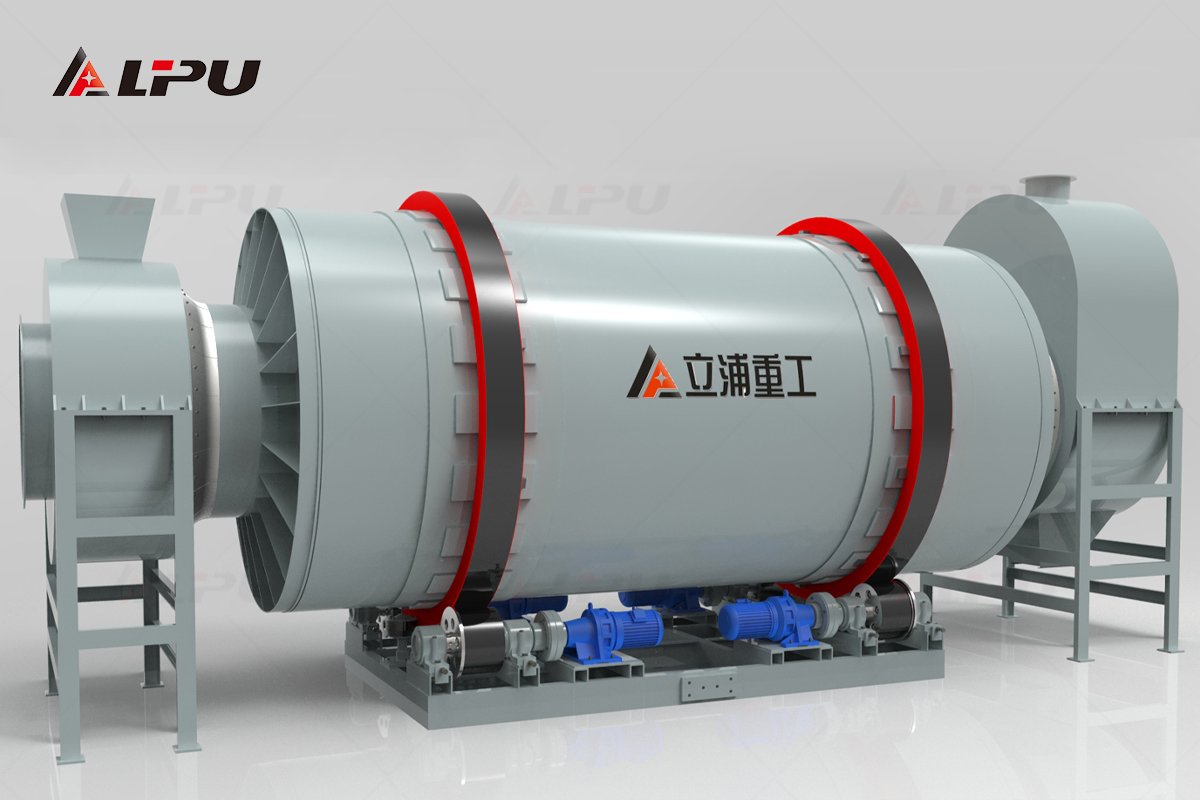
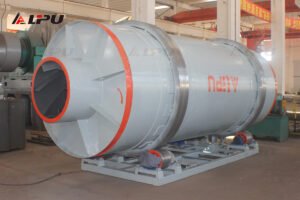
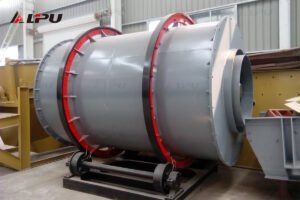
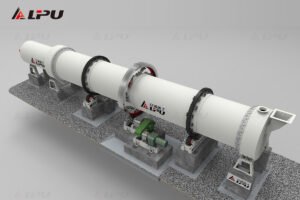
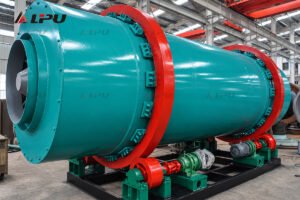
Wet sand can be difficult to handle or use in downstream processes. A rotary sand dryer reduces moisture to help prepare the material for storage, transport, or further processing.
Yellow sand
Emery
Quartz sand
Sand
River sand is a primary application. Depending on its properties and project requirements, the system may also be suitable for sea sand, yellow sand, emery, garnet sand, quartz sand, foundry sand, and other compatible granular materials. Confirm material suitability through testing.
How the Rotary Sand Drying Process Works
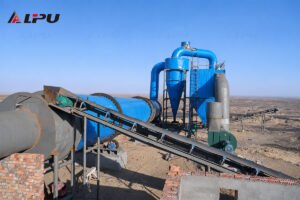
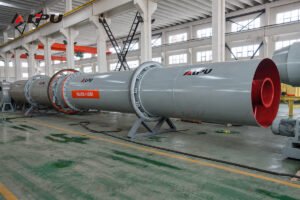
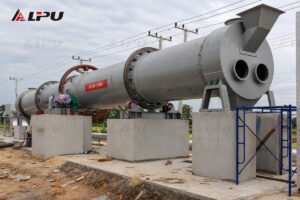
Wet sand is fed into the rotating drum. Internal lifting flights raise and spread the material through the hot air stream as it moves toward the discharge end. Moisture leaves with the exhaust gas, which passes through dust-collection equipment selected for the project.
The process layout depends on the dryer design, heat source, feed conditions, and environmental requirements.
Configure a Dryer for Your Production Line
LIPU can configure rotary dryer systems according to the material and production requirements. Selection may consider:
Sand Dryer Machine process
Feed moisture and target moisture
Required throughput
Sand properties and particle size
Available heat source and fuel
Site layout and dust-control requirements
Feeding, conveying, heating, and exhaust-treatment equipment can be specified for the project.
River Sand Dryer Technical Specifications
Specification
Ø2.5 × 7 m
Ø2.7 × 7 m
Ø3.0 × 7 m
Ø3.2 × 7 m
Ø3.6 × 8 m
Outer cylinder diameter (m)
2.5
2.7
3.0
3.2
3.6
Outer cylinder length (m)
7
7
7.0
7.0
8
Cylinder volume (m³)
16.63
16.63
52.678
52.678
81.38
Cylinder speed (rpm)
4–10
4–10
4–10
4–10
4–10
Initial slag moisture (%)
10–12
10–12
10–12
10–12
10–12
Final slag moisture (%)
1
1
1
1
1
Initial yellow sand moisture (%)
8–10
8–10
8–10
8–10
8–10
Final yellow sand moisture (%)
0.5–1
0.5–1
0.5–1
0.5–1
0.5–1
Maximum intake air temperature (°C)
700–750
700–750
700–750
700–750
700–750
Yellow sand capacity (t/h)
25–30
30–35
35–40
45–50
65–70
Slag capacity (t/h)
20–25
25–30
30–35
35–40
60–65
Motor type
Y2-132M-4E
Y2-132M-4E
Y2-160M-4
Y2-160M-4
Y2-160M-4
Motor power (kW)
7.5 × 2
11 × 2
7.5 × 4
7.5 × 4
15 × 4
Reducer type
XWD7-23-11W
XWD7-23-11W
XWD6-23-7.5KW
XWD6-23-7.5KW
XWD8-23-15KW
Reducer ratio
29
29
29
29
29
Customer Installations and Project Support
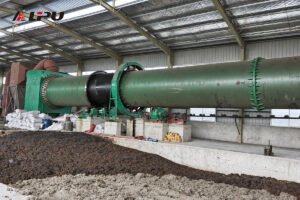
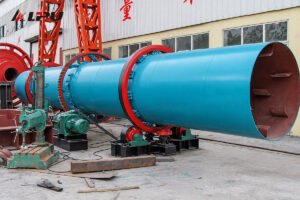
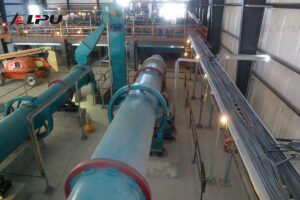
A complete sand drying line may include the rotary dryer, feeding and conveying equipment, a heat source, and dust-collection equipment. The layout and equipment selection depend on the customer’s material, production targets, and site conditions.
LIPU can support equipment selection, system configuration, installation guidance, and commissioning. Contact us with your material type, initial and target moisture, required capacity, available fuel, and site details to discuss a suitable system.
Frequently Asked Questions
1. What is the capacity range of the LIPU sand dryer?
The listed capacity varies by model and material. For the models in the table, yellow sand capacity ranges from 25 to 70 t/h, while slag capacity ranges from 20 to 65 t/h. Actual throughput depends on material and operating conditions.
2. Can the dryer process river sand?
The dryer is intended for river sand and may also process other compatible wet granular materials. Confirm suitability and expected output for the specific material before selecting a model.
3. What heat sources are available?
Coal, oil, and gas are listed options. Other fuels may be considered according to the project configuration and local requirements.
4. What information is needed to select a dryer?
Provide the material type, initial and target moisture, required capacity, available heat source, and site conditions. These details help determine the dryer model and auxiliary equipment.
5. Does LIPU provide installation support?
LIPU can provide installation guidance and commissioning assistance. Confirm the service scope during project planning.