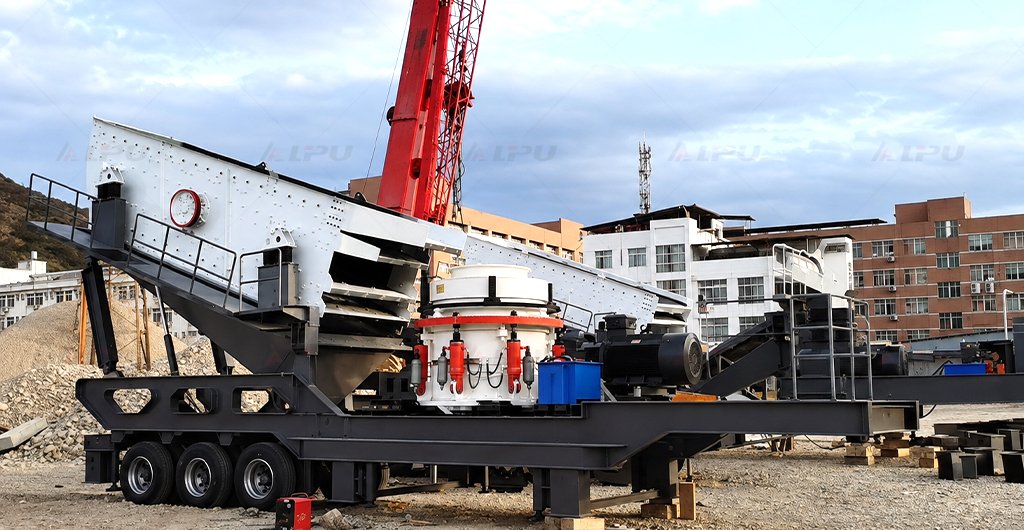
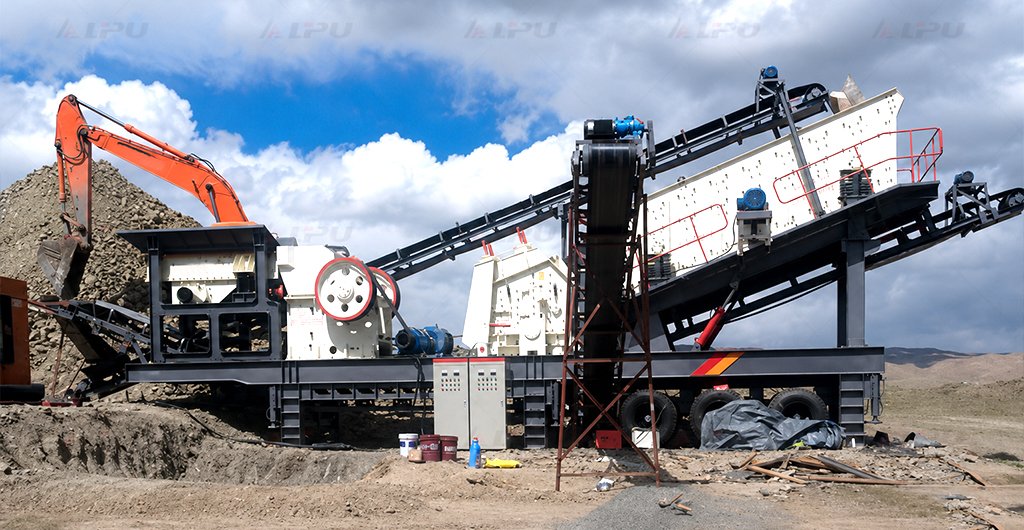
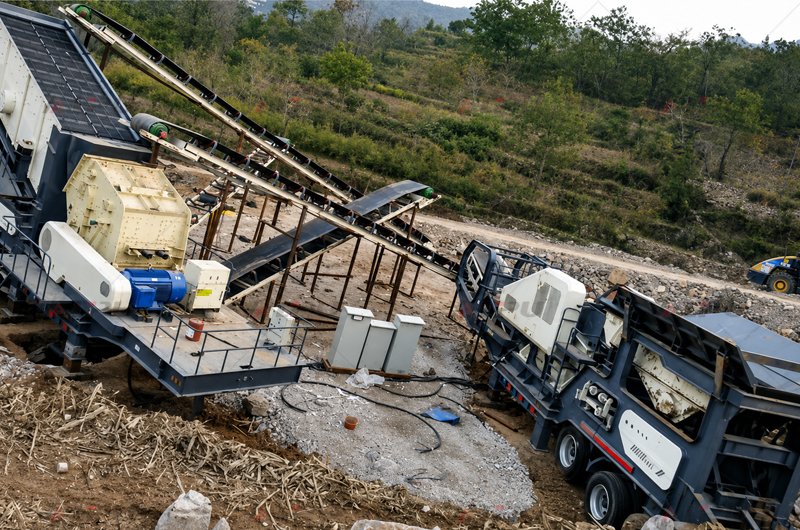
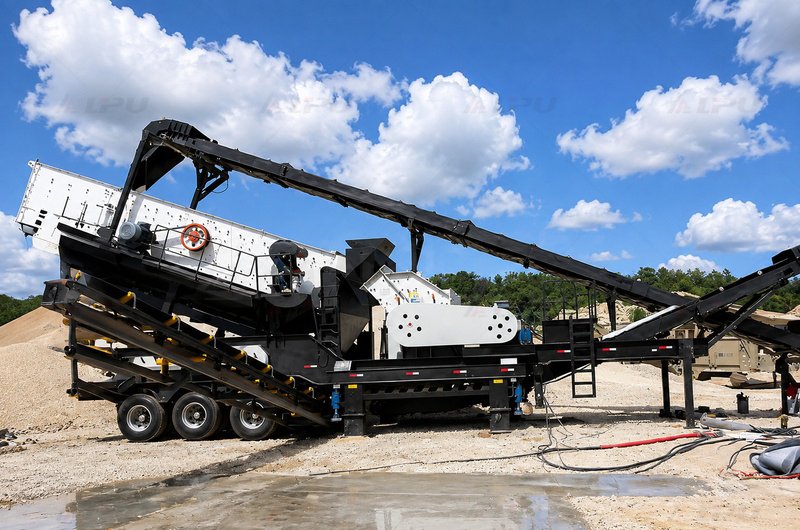
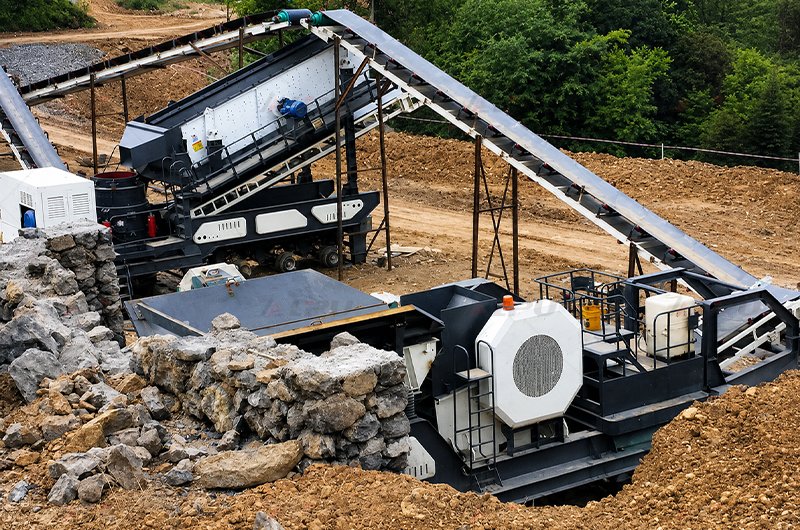
LIPU wheel-mounted mobile crushing plants are portable crushing and screening systems designed for projects that need flexible relocation between different working sites.
Mounted on a wheeled or trailer-type chassis, the plant can be transported by tractor or towing vehicle and positioned close to the processing area. Different jaw, impact, cone and screening configurations can be selected according to material type, feed size, required capacity and final aggregate specifications.
Unlike crawler-mounted plants, which focus more on self-propelled movement inside rough quarry or mining terrain, wheel-mounted plants are particularly suitable for projects with usable site roads, periodic relocation and relatively stable working areas.
What Makes a Wheel-Mounted Mobile Crushing Plant Different?
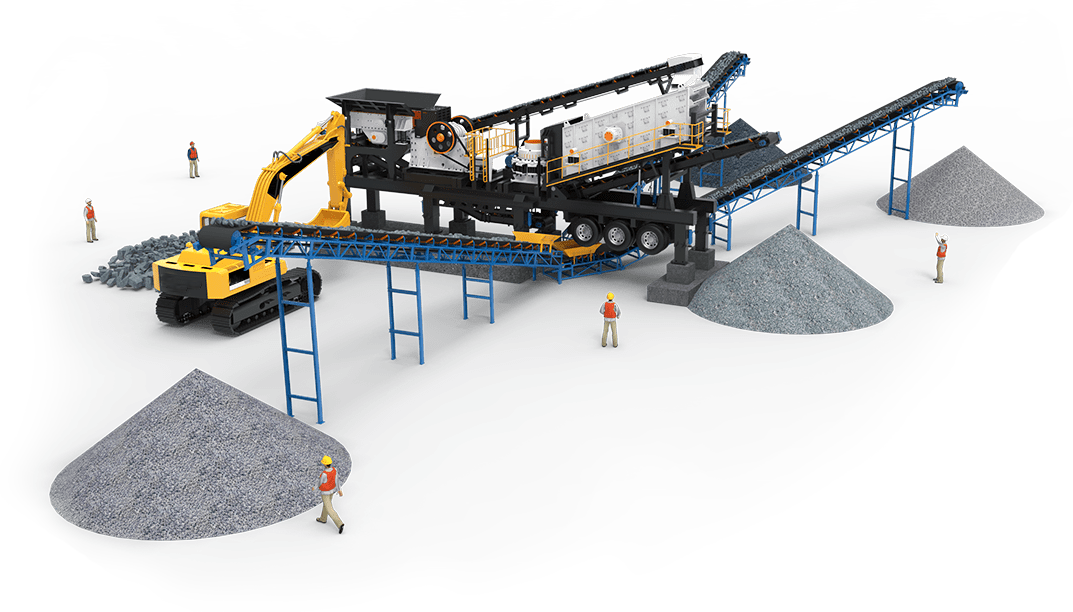
A wheel-mounted mobile crushing plant combines crushing, screening and conveying equipment on a transportable wheeled chassis.
Its main advantage is not continuous self-propelled movement. Instead, it is designed to simplify transportation and setup between separate project locations.
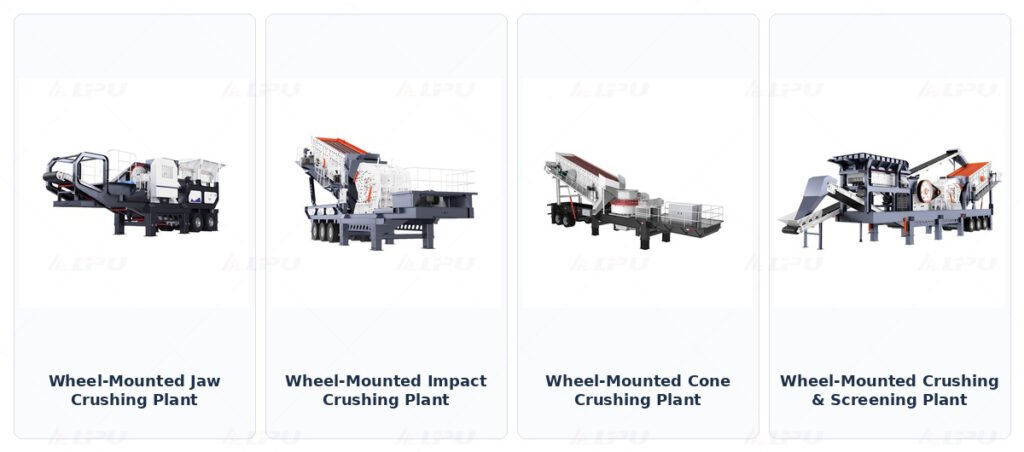
Main wheel-mounted mobile crushing plant configurations
A wheel-mounted plant is commonly selected when:
Equipment needs to serve several project sites
Road transport between sites is practical
Relocation happens periodically rather than continuously
Working ground is relatively level
Permanent foundations are not desirable
The project duration is temporary or medium-term
A tractor or towing vehicle is available
Depending on the process, one mobile unit can perform a single crushing duty, while several wheel-mounted units can form a complete multi-stage production line.
Where Do Wheel-Mounted Plants Work Best?
Wheel-mounted crushing plants are particularly suitable for projects where equipment mobility is important, but the machine does not need to move continuously inside difficult terrain.
Typical project types include:
Quarry aggregate production
Road construction projects
Railway aggregate production
Temporary crushing sites
Construction waste recycling
Concrete recycling
Mining ore pre-crushing
Multi-site aggregate production
For contractors operating at several locations, wheel-mounted equipment can reduce the need to build a complete stationary plant at every project site.
It is also useful where the crushing system may remain in one location for weeks or months before being moved to the next project.
Crusher and Screening Configurations
LIPU wheel-mounted plants can be configured around different crushing duties.
Wheel-Mounted Jaw Crushing Plant
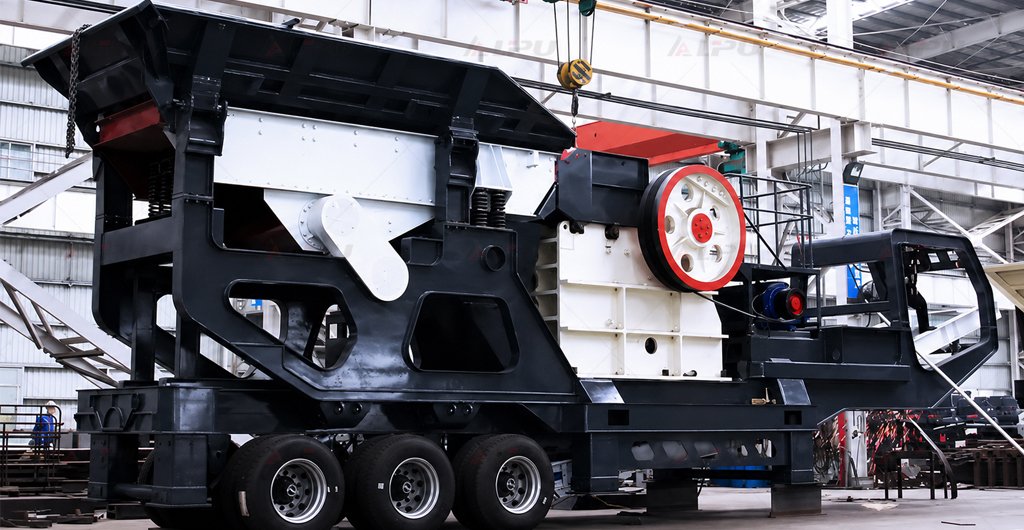
Wheeled Mobile Jaw Crushing Station
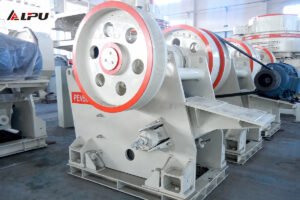
The jaw crushing unit is mainly used for primary crushing of large feed material.
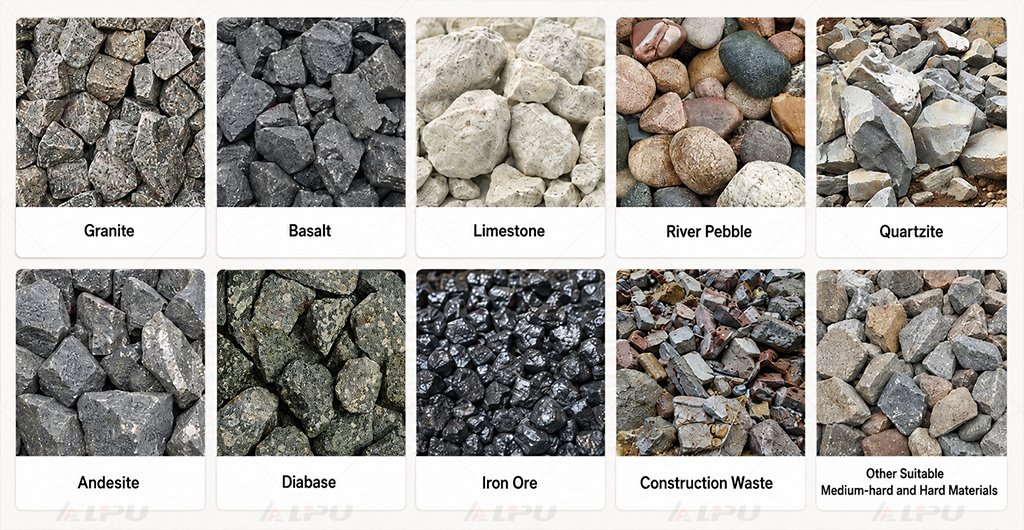
Typical materials include:
Granite
Basalt
Quartzite
River pebble
Andesite
Diabase
Mining ore
Construction waste
A wheel-mounted Jaw Crusher is commonly used as the first stage before secondary crushing or screening.
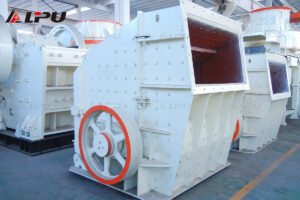
Wheel-Mounted Impact Crushing Plant
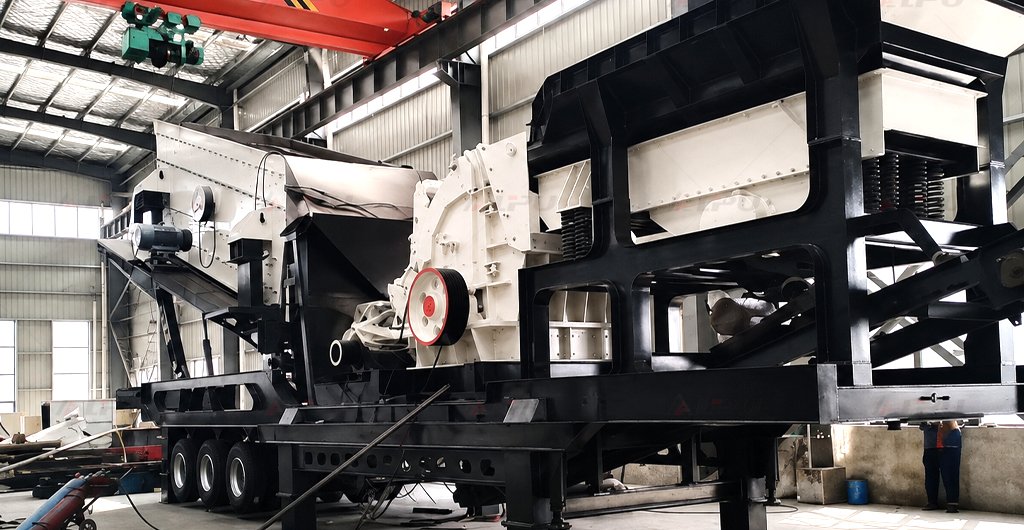
The impact crushing unit is mainly used for medium-hard materials and applications where aggregate shape is important.
Wheeled Mobile Impact Crushing Station
Typical applications include:
Limestone crushing
Construction waste recycling
Concrete recycling
Road aggregate production
Medium-hard quarry stone
A wheel-mounted Impact Crusher is often selected for recycling and limestone projects.
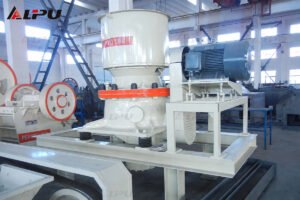
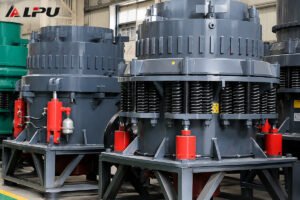
Wheel-Mounted Cone Crushing Plant
The cone crushing unit is suitable for secondary and tertiary crushing of harder and more abrasive materials.
Qualified products are discharged to stockpiles, while oversized particles are returned for additional crushing.
Main Components and Chassis Layout
A typical wheel-mounted mobile crushing plant may include:
Wheel or trailer chassis
Feed hopper
Vibrating feeder
Jaw crusher, impact crusher or cone crusher
Vibrating screen
Main belt conveyor
Side belt conveyors
Hydraulic power system
Electrical control system
Lubrication system
Support legs
Access platforms
Safety guards
Not every configuration contains all of these components.
A primary jaw crushing unit, for example, focuses mainly on feeding and primary crushing, while a combined unit may include both crushing and screening equipment on the same mobile chassis.
Wheel-Mounted Mobile Crushing Plant Technical Parameters
The following configurations are currently available for combined wheel-mounted crushing and screening applications.
Wheel type mobile crushing plant
Technical Data//Model
MF1010E46
MB900E57
Transportation size (mm)
14700x2400x4150
17000x2500x4300
Weight(t)
40
45
Vibrating feeder
ZSW8530
ZSW8530
Crusher 1
PE400x600
PE500x750
Crusher2
PF1010
PYB900
Vibrating screen
3YK1548
3YK1860
Belt conveyer above screen
B500x8m
B500x8m
Belt conveyer under screen
B500x8m
B500x8m
Main belt conveyer
B650x11m
B650x11m
Side belt conveyer
B500x16m
B500x16m
Electric control (standard)
control box + control panel
control box + control panel
Support leg (standard)
6
6
The two configurations use different secondary crushers:
MF1010E46: impact crushing configuration
MB900E57: cone crushing configuration
Actual output depends on material hardness, feed gradation, crusher setting, screen opening and operating conditions.
For project selection, LIPU should confirm the raw material, maximum feed size, required capacity and final product specifications.
When Should You Choose Wheel-Mounted Instead of Crawler?
Wheel-mounted and crawler mobile plants are both portable crushing solutions, but they are designed for different movement requirements.
A wheel-mounted plant is generally more suitable when:
Projects are connected by usable roads
Equipment moves between separate sites
Relocation is periodic rather than continuous
Working ground is relatively level
A tractor or towing vehicle is available
Lower chassis complexity is preferred
The plant serves several construction or aggregate projects
A crawler mobile plant is generally more suitable when:
The working face changes frequently
The terrain is uneven or difficult
The equipment must move independently inside the quarry or mine
Frequent short-distance relocation is required
Towing equipment is inconvenient
The decision should be based on how the plant will actually move during the project, not only on crusher capacity.
How to Select the Right Wheel-Mounted Configuration
The correct configuration depends on the complete production requirement.
Before selecting equipment, confirm:
Raw material
Maximum feed size
Required capacity
Final product sizes
Number of finished aggregate sizes
Material hardness
Material abrasiveness
Moisture condition
Project duration
Site road conditions
Transport frequency
Required crushing stages
For primary hard-rock crushing, a wheel-mounted jaw crusher is normally the starting point.
For secondary hard-rock crushing, a cone crusher is usually more suitable.
For limestone and recycling applications, an impact crusher may provide better product shape.
Where several finished aggregate sizes are required, a vibrating screen should be included in the system.
The final equipment selection should be based on the complete crushing circuit rather than one crusher model alone.
Why Choose LIPU?
LIPU Heavy Industry provides crushing, screening and mineral processing equipment for quarry, mining, aggregate and construction projects.
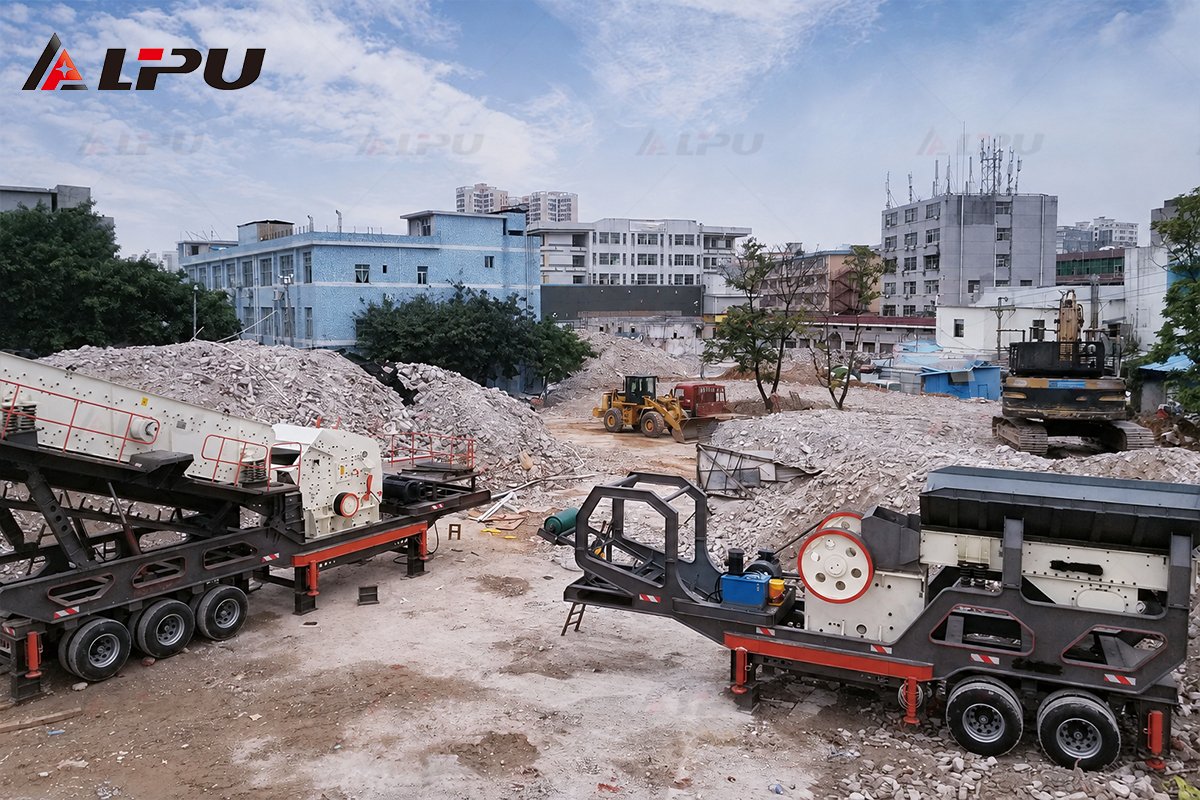
Wheel-mounted mobile crushing and screening plant at a customer site
Wheel-mounted-mobile-impact-crusher-quarry-site
Wheel-mounted mobile crushing and screening plant
For wheel-mounted mobile crushing projects, LIPU can assist with:
Raw material analysis
Crushing process design
Crusher selection
Screen selection
Mobile chassis configuration
Equipment layout
Closed-circuit design
Equipment manufacturing
Factory testing
Installation guidance
Commissioning support
Wear parts supply
Spare parts supply
After-sales technical support
Wheel-mounted units can also be combined with crawler mobile or stationary equipment when the project requires a hybrid crushing system.
Frequently Asked Questions
What is the main advantage of a wheel-mounted mobile crushing plant?
Its main advantage is convenient relocation between separate project sites. The equipment can be towed to the next working location without building a complete stationary crushing plant.
Does a wheel-mounted mobile crusher move by itself?
Normally, no. Wheel-mounted plants are usually transported or towed by a tractor or suitable vehicle. This is one of the main differences from crawler-mounted equipment.
Can a wheel-mounted plant process hard rock?
Yes. A wheel-mounted jaw crusher can be used for primary crushing, followed by a wheel-mounted cone crusher for secondary crushing of granite, basalt, quartzite and similar hard materials.
Is a wheel-mounted plant suitable for construction waste recycling?
Yes. Jaw and impact crushing configurations can be used for construction waste and concrete recycling depending on feed characteristics and the required final product.
What information is needed before selecting a wheel-mounted mobile plant?
Provide the raw material, maximum feed size, required capacity, final product sizes, site road conditions and relocation requirements. These factors determine the crusher type, screen configuration and mobile chassis arrangement.
LET US REACH YOUNeed detailed customization and latest price? Chat online or leave message below!
How we use cookies
This Cookie Privacy Policy statement explains how Zoneding Machine (hereinafter referred to as "we", "our", or "this website") uses cookies and similar technologies (collectively referred to as "cookies") to identify you when you visit our website lepuu.com. It explains what these technologies are, why we use them, and your rights to control our use of them.
Privacy Policy
Leave a Message
We will reply to you within 24 hours
Hello, I am Lipu Heavy Industry, what can we do for you please?