LIPU Raymond mills are dry grinding machines designed for producing fine mineral powder from non-flammable and non-explosive materials.
The system combines grinding, air classification and powder collection in one continuous process. Material is ground between the grinding rollers and grinding ring, then transported by airflow to the classifier. Qualified fine powder is collected, while coarse particles return to the grinding chamber for further processing.
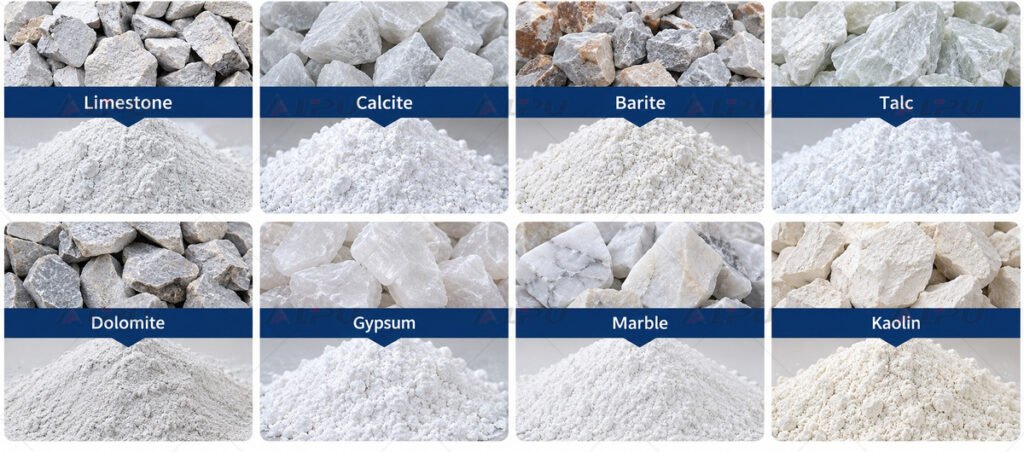
Raymond mills are commonly used for limestone, calcite, barite, talc, dolomite, gypsum, marble and other industrial minerals.
A Raymond mill is a vertical dry grinding machine used to reduce mineral materials into fine powder.
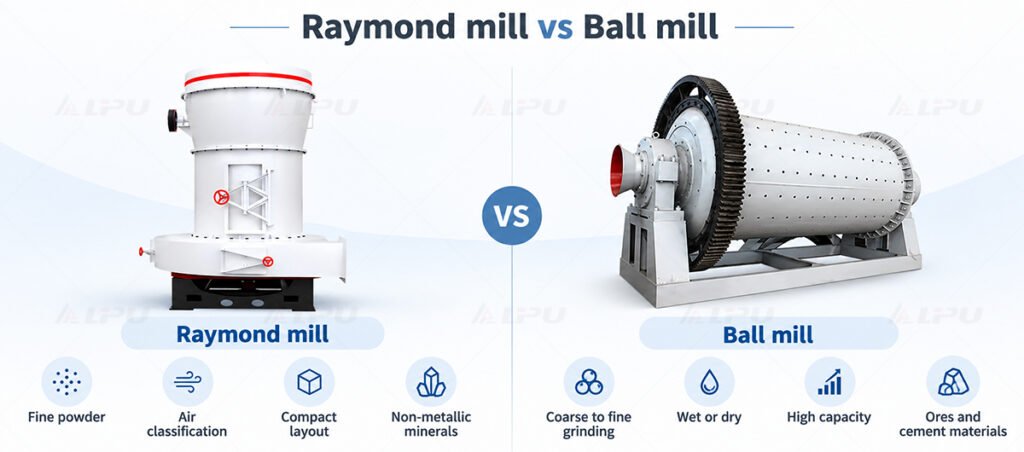
Unlike a ball mill, which relies on tumbling grinding media inside a rotating cylinder, a Raymond mill uses grinding rollers that press and grind material against a stationary grinding ring.
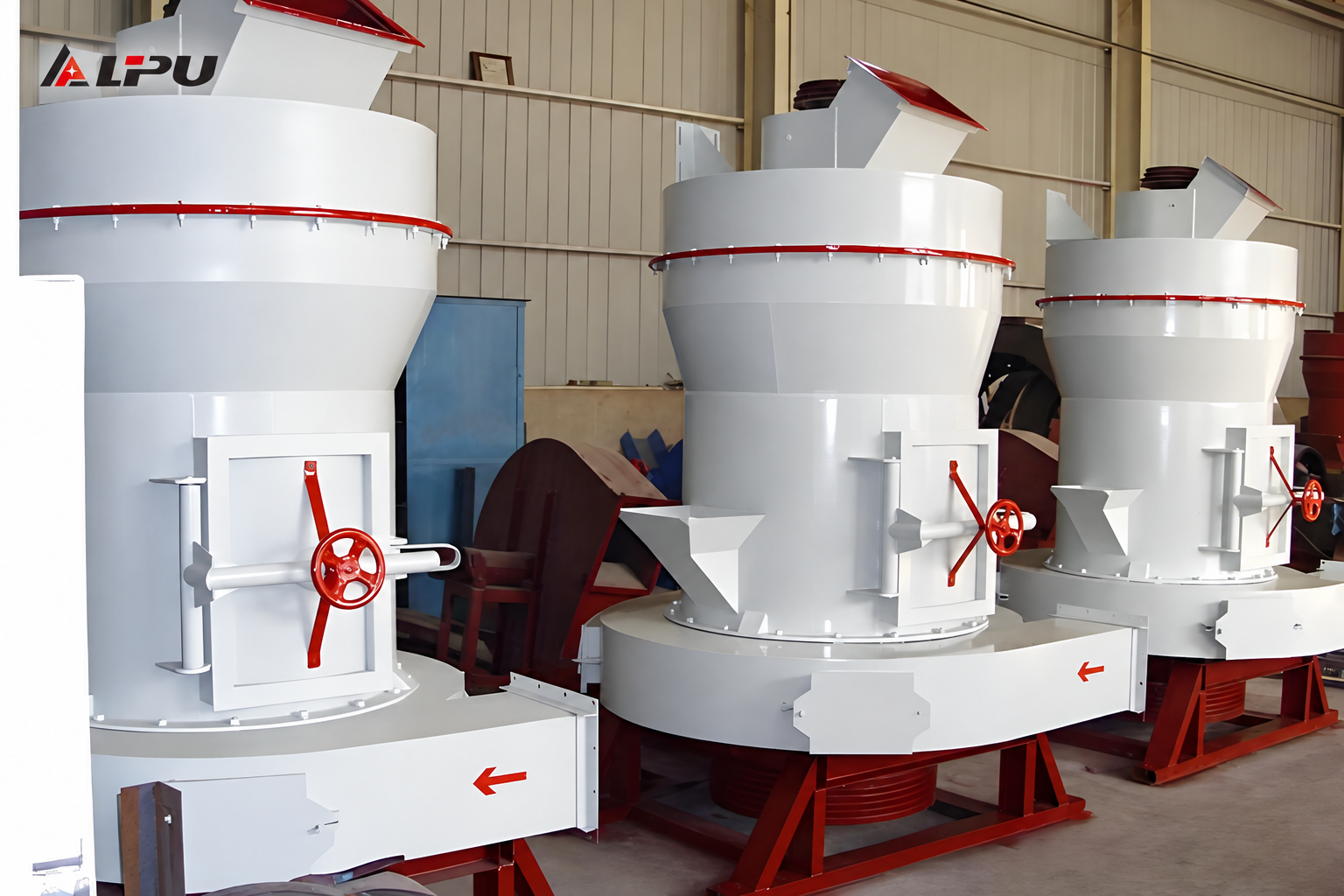
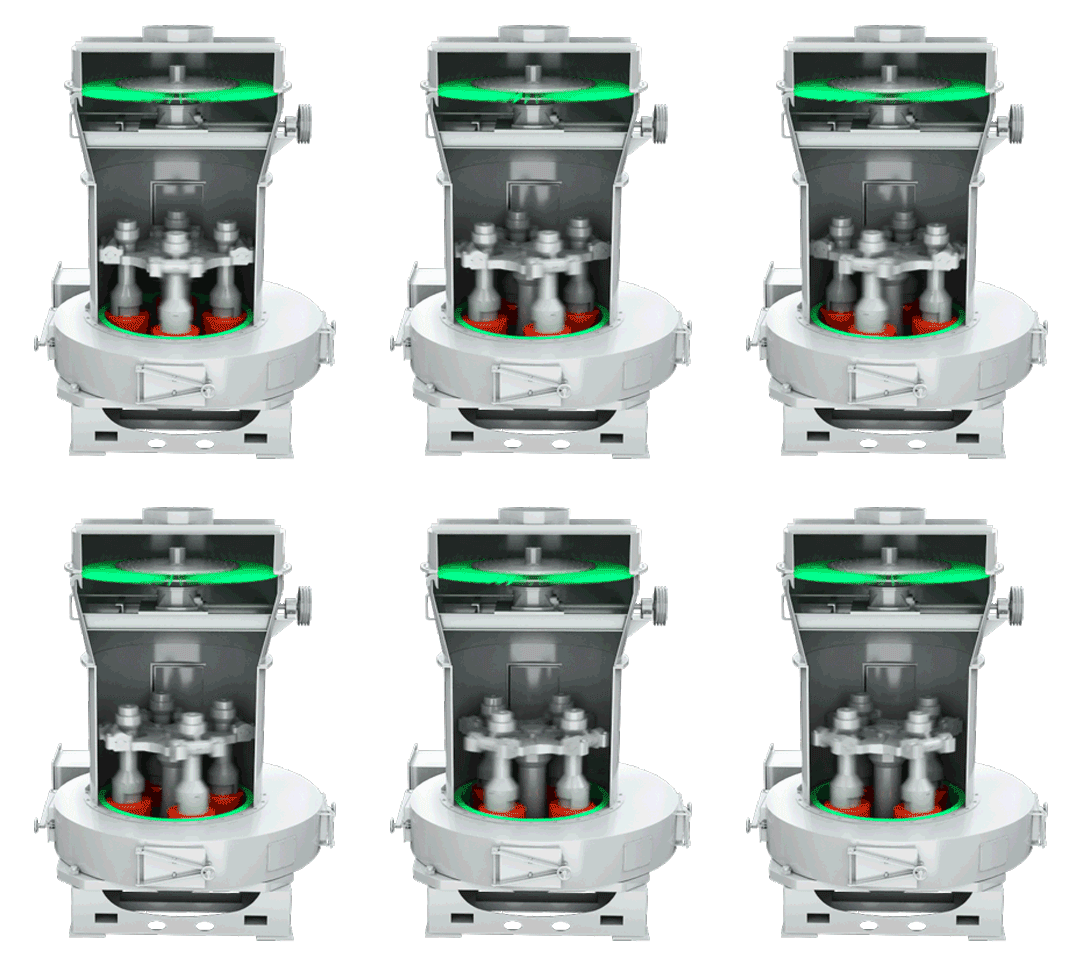
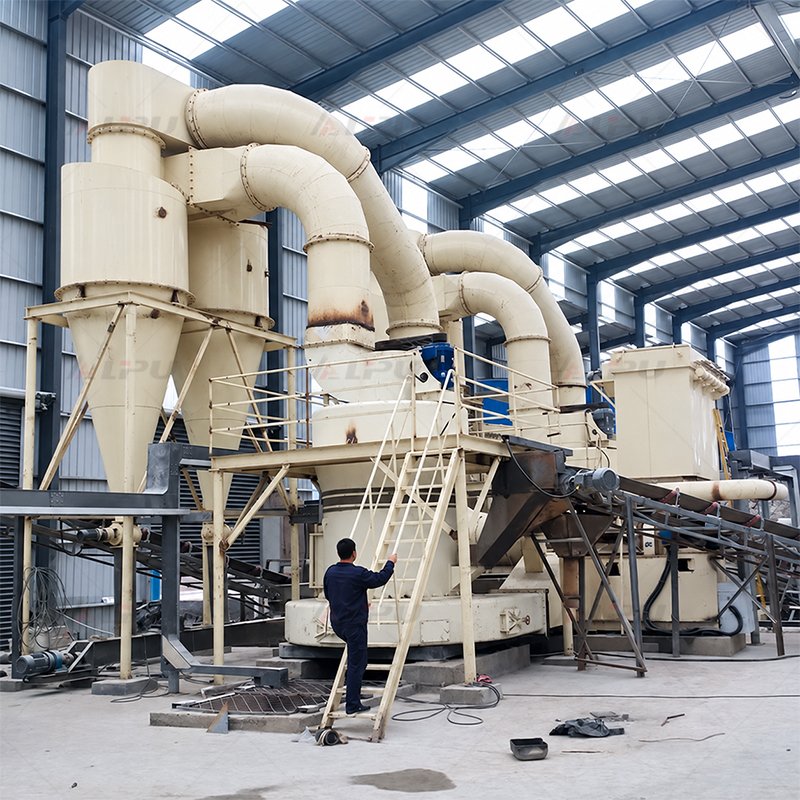
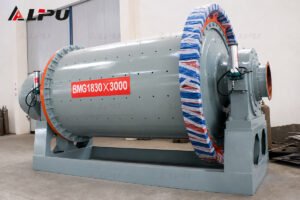
Raymond mill front view
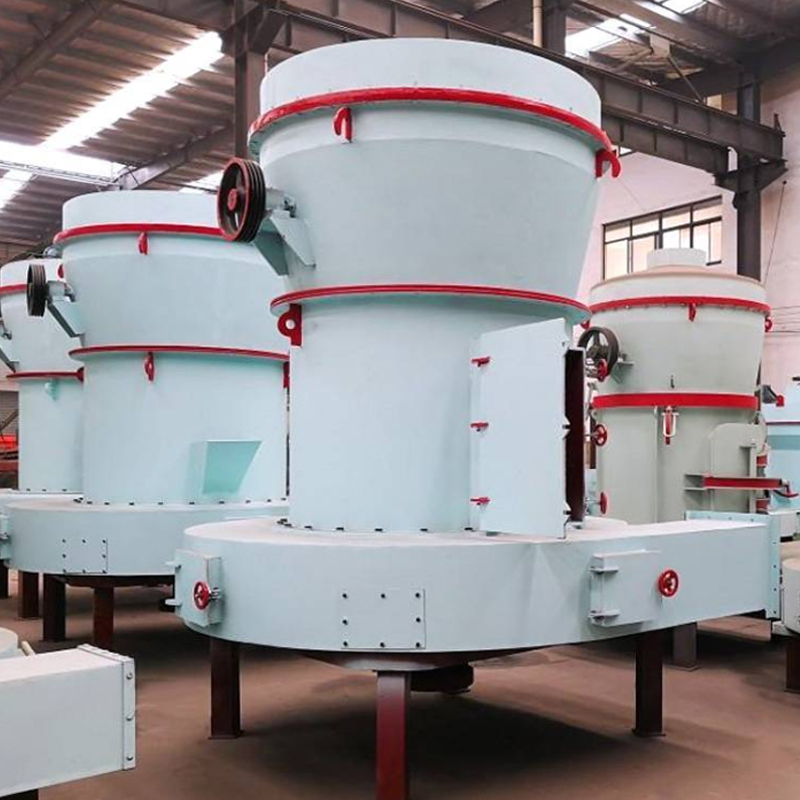
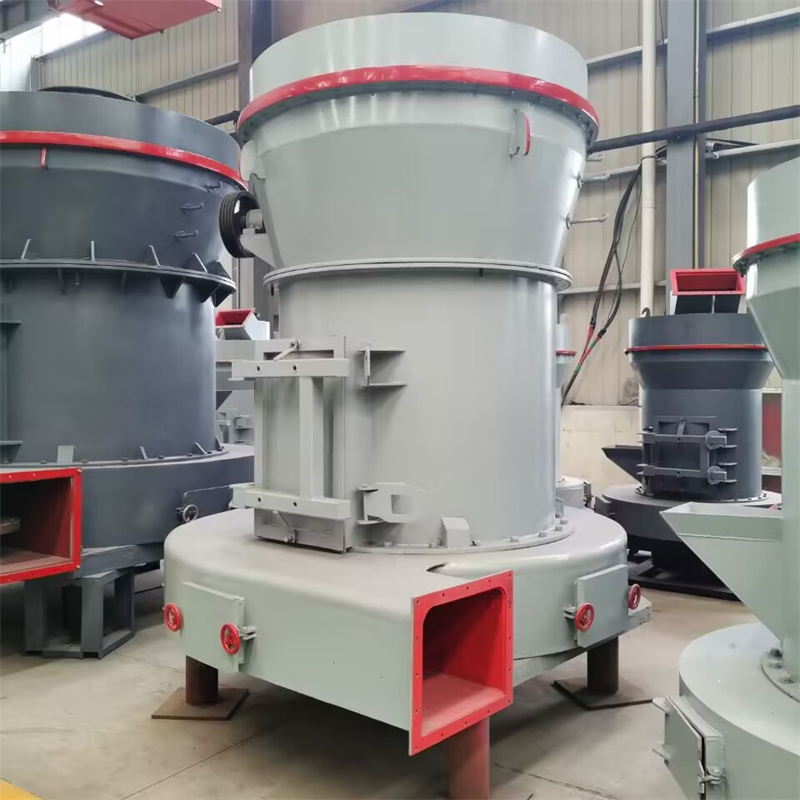
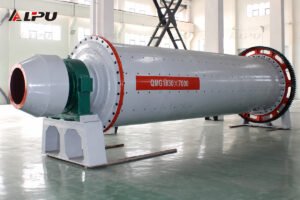
Raymond mill model display image
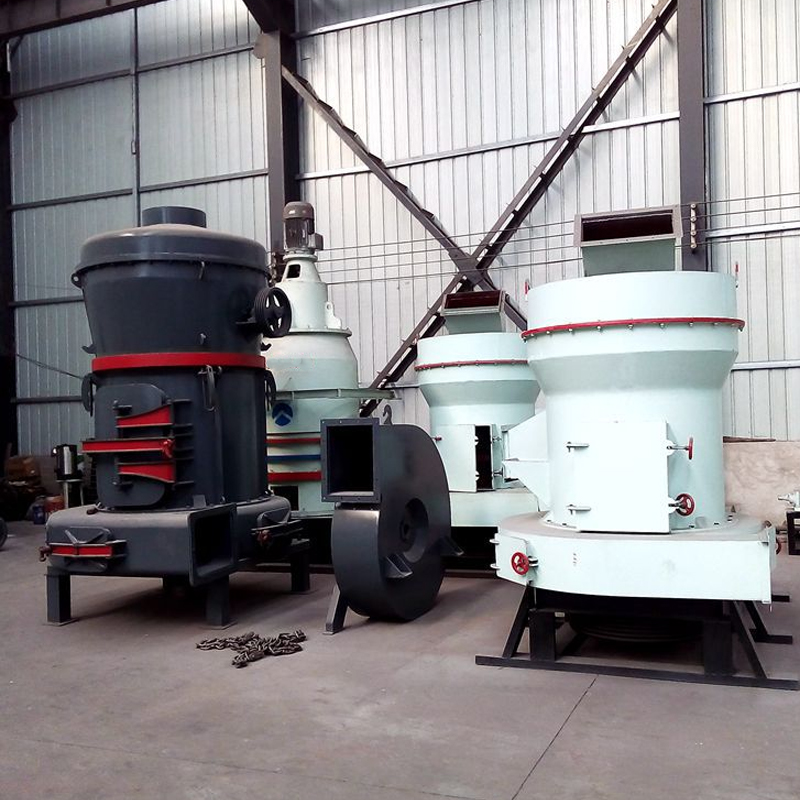
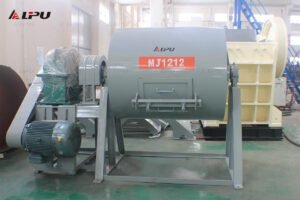
Raymond mill industrial grinding machine
The ground material is then carried upward by airflow.
A classifier separates the powder according to the required fineness:
Fine particles pass through the classifier
Coarse particles return to the grinding chamber
Qualified powder enters the collection system
This makes the Raymond mill suitable for continuous dry powder production where controlled particle size is required.
Suitable Materials and Applications
Raymond mills are mainly used for relatively soft to medium-hard, non-flammable and non-explosive mineral materials.
Typical Raymond mill materials shown before and after grinding
Typical materials include:
Limestone
Calcite
Barite
Talc
Dolomite
Gypsum
Marble
Bentonite
Kaolin
Feldspar
Quartz
Activated carbon
Carbon black
Other suitable industrial minerals
Typical application areas include:
Limestone powder production
Industrial mineral grinding
Cement and building materials
Chemical powder processing
Metallurgical powder preparation
Filler and coating materials
Mineral powder plants
Material hardness, moisture and required product fineness should be evaluated before model selection.
How Does a Raymond Mill Work?
The Raymond mill operates through a continuous grinding and air-classification process.
Working Principle of Raymond Mill
Raw material is first crushed to a suitable feed size.
The material is stored in a hopper.
A feeder delivers material into the grinding chamber.
Grinding rollers rotate around the central shaft.
The rollers press material against the grinding ring.
Ground powder is lifted by airflow from the blower.
The classifier separates fine and coarse particles.
Coarse particles fall back into the grinding chamber.
Qualified powder enters the cyclone collector.
Fine powder is discharged as the finished product.
Dust can be collected through an additional dust collection system depending on the plant configuration.
Main Components
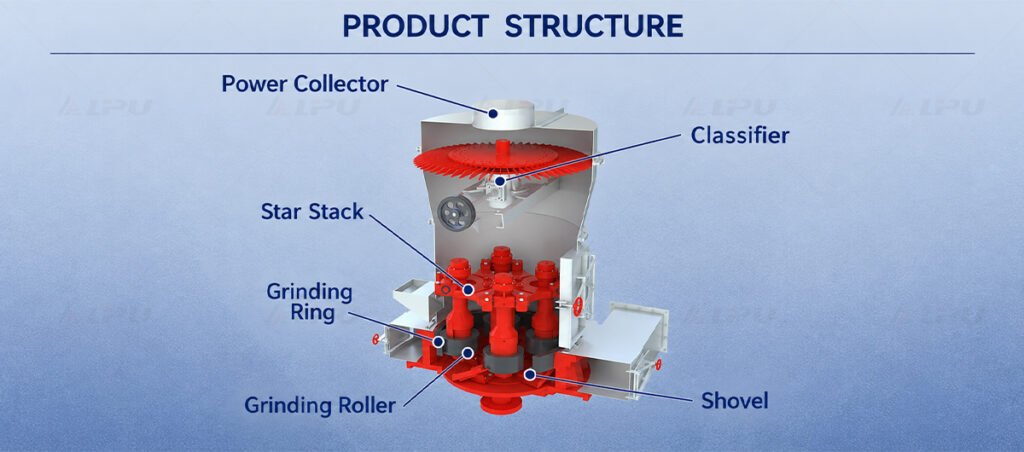
Raymond Mill Structures
A typical Raymond mill system includes:
Main mill body
Grinding rollers
Grinding ring
Shovel assembly
Classifier
Blower
Cyclone collector
Dust collector
Feeding system
Transmission system
Drive motor
Discharge system
The grinding rollers and grinding ring are the main working components responsible for particle-size reduction.
Grinding and Air Classification System
One of the main characteristics of a Raymond mill is that grinding and classification occur within the same production system.
After grinding, powder is carried upward by airflow.
The classifier controls which particles can pass into the collection system.
Finer particles pass through the classifier, while oversized particles are returned to the grinding chamber.
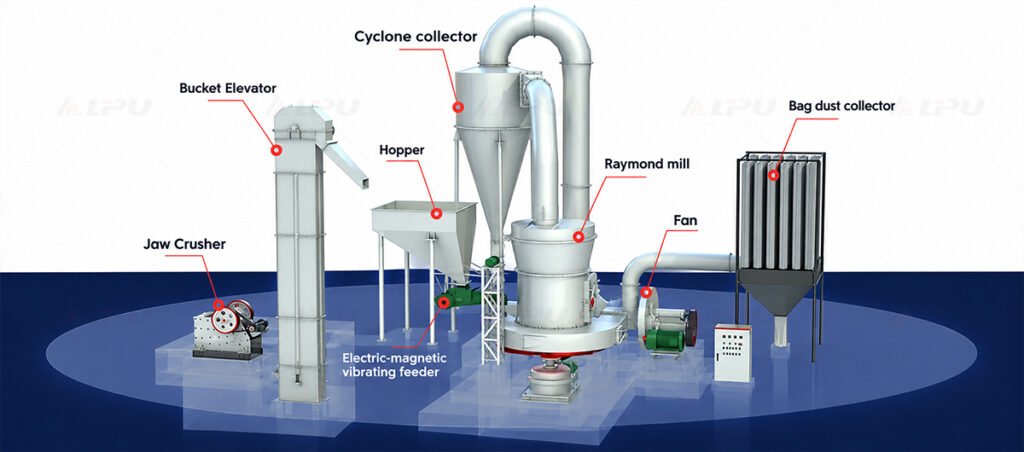
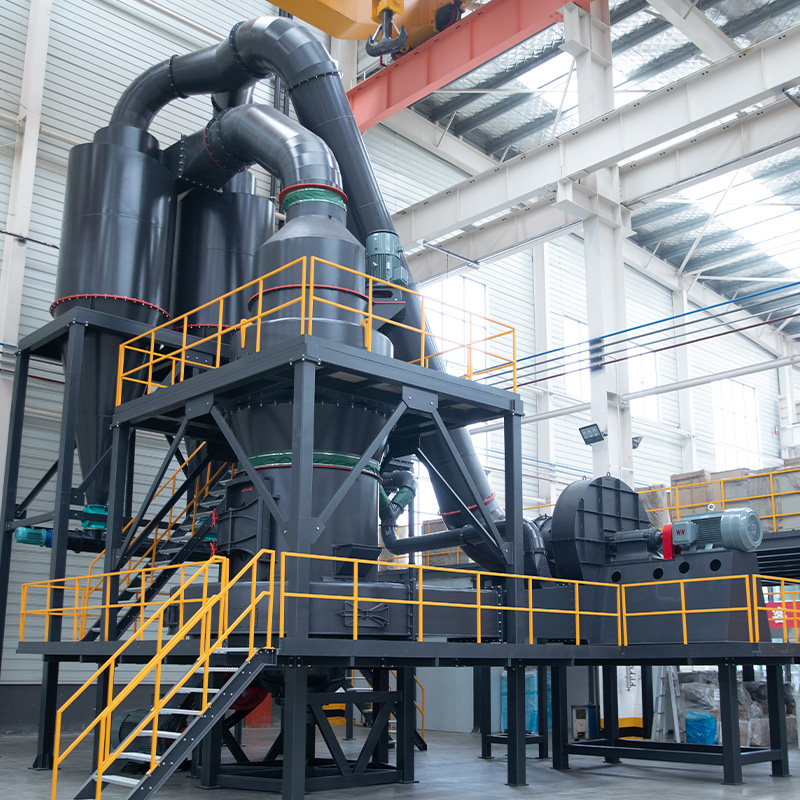
Raymond mill system combining grinding, airflow classification, cyclone collection and dust removal
A typical process may include:
Raw Material → Crusher → Bucket Elevator → Storage Hopper → Feeder → Raymond Mill → Classifier → Cyclone Collector → Finished Powder
A dust collector can be added to improve dust control and recover fine particles from the exhaust airflow.
This closed airflow system helps maintain continuous powder production and stable product fineness.
Raymond Mill vs Ball Mill for Fine Powder Grinding
Raymond mills and ball mills can both be used for mineral grinding, but their working principles and typical applications are different.
Comparison of Raymond mill and ball mill for dry powder grinding and mineral processing applications
Feature
Raymond Mill
Ball Mill
Grinding Method
Roller and grinding ring
Grinding media inside rotating cylinder
Process Type
Dry grinding
Wet or dry grinding
Typical Product
Fine mineral powder
Fine mineral or ore grinding
Classification
Integrated air classifier
Usually external classifier
Powder Collection
Cyclone and dust collection system
Depends on downstream circuit
Typical Application
Industrial mineral powder
Mineral beneficiation and fine grinding
Installation
Compact vertical system
Larger horizontal grinding system
Raymond mills are generally more suitable for dry mineral powder production.
A Ball Mill is usually more suitable where wet grinding, mineral liberation or finer beneficiation grinding is required.
Raymond Mill Technical Parameters
3R and 4R / 5R Series Raymond Mill
Model
Roller Quantity
Roller Size (mm)
Grinding Ring Size (mm)
Max Feed Size (mm)
Finished Size (mm)
Capacity (t/h)
Total Power (kW)
3R1410
3
140 × 100
405 × 100
<8
0.613–0.044
0.15–1.0
14.1
3R2115
3
210 × 150
630 × 150
<15
0.613–0.044
0.4–1.6
22.5
3R2615
3
260 × 150
780 × 150
<20
0.613–0.044
0.6–2.0
30
3R2715
3
270 × 150
830 × 150
<20
0.613–0.044
0.9–2.8
35.7
3R3015
3
300 × 150
900 × 150
<25
0.613–0.044
1.2–3.5
42.7
4R3016
4
300 × 160
900 × 160
<25
0.613–0.044
1.5–4.5
56
4R3216
4
320 × 160
970 × 160
<25
0.613–0.044
1.8–5.0
72.5
5R4119
5
410 × 190
1280 × 190
<30
0.613–0.044
3.0–9.0
157.5
Actual output depends on material hardness, moisture, feed size, target fineness and operating conditions.
How to Select the Right Raymond Mill
Raymond mill selection should be based on both production capacity and required powder fineness.
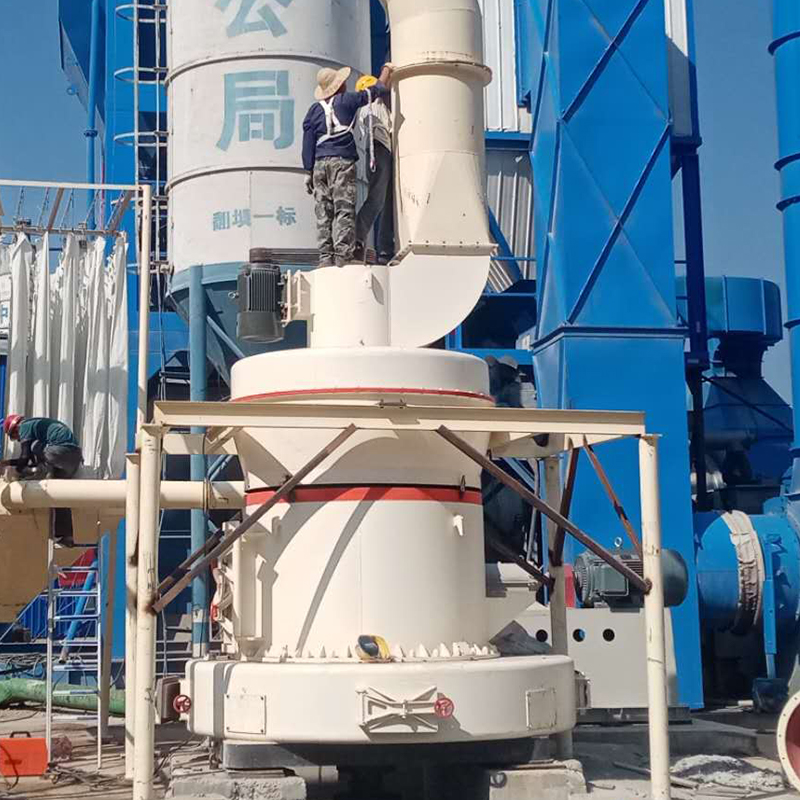
Raymond mill grinding plant customer site
Raymond mill air classification system site
Raymond mill industrial powder grinding site
Important information includes:
Material type
Material hardness
Moisture content
Maximum feed size
Required capacity
Target powder fineness
Final product application
Dust-control requirements
Installation space
Power supply
Material Hardness
Harder materials generally reduce grinding capacity and increase wear on grinding rollers and rings.
Feed Size
The feed should be reduced to a suitable size before entering the Raymond mill.
A Jaw Crusher or other suitable crusher may be used for upstream size reduction.
Required Fineness
Finer powder generally requires more classification and longer material circulation within the system.
The classifier configuration should therefore match the required final product size.
Moisture Content
Raymond mills are dry grinding machines.
Materials with excessive moisture can reduce grinding efficiency, affect airflow and cause material adhesion inside the system.
Why Choose LIPU?
LIPU Heavy Industry provides Raymond mills and complete mineral powder grinding systems.
Project support can include:
Material analysis
Raymond mill model selection
Grinding system design
Crusher and feeder matching
Classifier configuration
Cyclone and dust collection system design
Equipment manufacturing
Factory testing
Installation guidance
Commissioning support
Spare and wear parts supply
Technical service
Raymond mills can also be integrated with crushing, conveying, storage and powder collection equipment as part of a complete dry grinding plant.
Frequently Asked Questions
What materials can a Raymond mill grind?
Raymond mills are suitable for limestone, calcite, barite, talc, dolomite, gypsum, marble, bentonite, kaolin and other suitable non-flammable mineral materials.
Is a Raymond mill used for wet grinding?
No. Raymond mills are mainly designed for dry grinding and powder production.
What is the difference between a Raymond mill and a ball mill?
A Raymond mill uses grinding rollers and a grinding ring with integrated airflow classification, while a ball mill uses grinding media inside a rotating cylinder.
Can Raymond mill product fineness be adjusted?
Yes. Product fineness can be controlled by adjusting classifier operating conditions within the suitable range of the machine.
What information is needed to select a Raymond mill?
Provide the material, feed size, required capacity, target fineness, moisture content and final product application.
LET US REACH YOUNeed detailed customization and latest price? Chat online or leave message below!
How we use cookies
This Cookie Privacy Policy statement explains how Zoneding Machine (hereinafter referred to as "we", "our", or "this website") uses cookies and similar technologies (collectively referred to as "cookies") to identify you when you visit our website lepuu.com. It explains what these technologies are, why we use them, and your rights to control our use of them.
Privacy Policy
Leave a Message
We will reply to you within 24 hours
Hello, I am Lipu Heavy Industry, what can we do for you please?