Titanium beneficiation upgrades titanium-bearing minerals by separating them from gangue and associated minerals. Ilmenite and rutile require different processing strategies depending on their occurrence, liberation size and mineral associations.
LIPU helps you evaluate process routes and equipment configurations for your feed material and concentrate requirements. Share your ore analysis, dry feed capacity and target product specification to discuss a suitable processing proposal.
A mineral sands deposit and a hard-rock titanium deposit require different processing approaches. Mineralogical analysis and representative separation tests establish which titanium minerals are recoverable and how they can be separated from iron minerals, silicates and other heavy minerals.
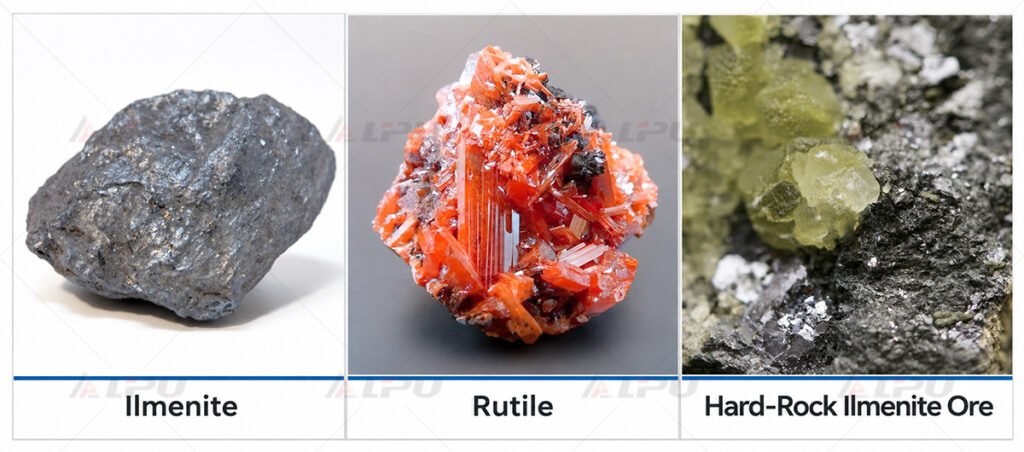
Ilmenite, rutile and hard-rock titanium ore samples
Feed Type
Processing Route to Evaluate
Main Selection Considerations
Liberated ilmenite- and rutile-bearing mineral sands
Washing, sizing and gravity concentration, followed by magnetic and electrostatic separation where appropriate
Clay content, particle-size distribution, heavy-mineral composition and dry separation response
Hard-rock ilmenite ore
Crushing, controlled grinding and classification, followed by gravity and/or high-intensity magnetic separation; flotation where justified
Liberation size, gangue associations, fines generation and concentrate quality
Magnetite–ilmenite associations
Separate magnetite recovery followed by a titanium-mineral recovery circuit where liberation permits
Distribution of titanium between discrete ilmenite, locked particles and titanomagnetite
Fine or complex titanium-bearing feed
Test-based flotation or combined separation
Slime content, surface condition, reagent response and water quality
These routes provide a starting point for testwork. Titanium contained within a mineral structure cannot necessarily be recovered as a separate ilmenite or rutile concentrate by physical separation.
Main Titanium Beneficiation Methods
Gravity Separation
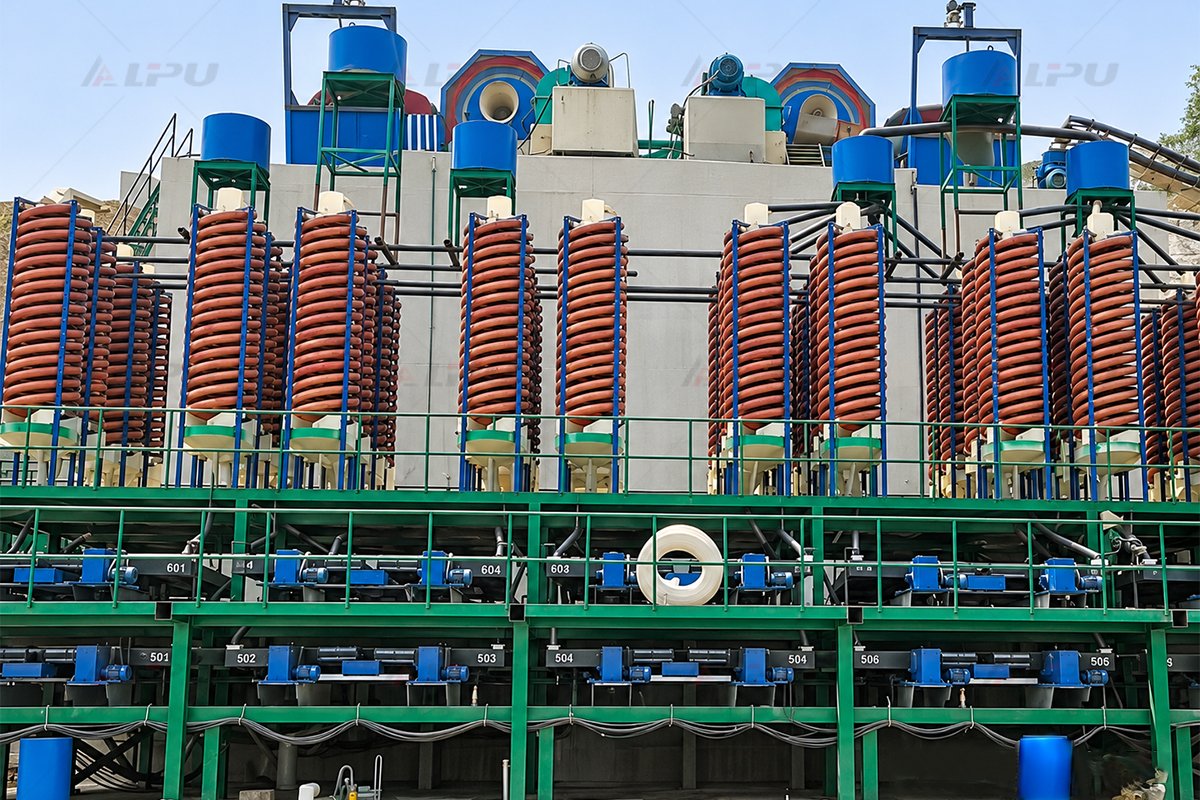
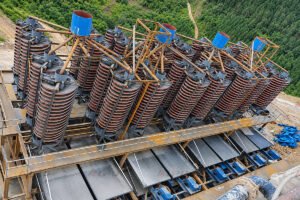
Gravity concentration uses density differences to separate heavy titanium minerals from lighter gangue. Spiral concentrators are widely used for suitable mineral-sands feeds. Jigs or shaking tables may be evaluated for appropriate size fractions and cleaning duties.
Feed sizing, mineral liberation and slime control affect separation performance. Gravity concentration alone may not sufficiently separate titanium minerals from other heavy minerals, making additional cleaning stages necessary.
Magnetic Separation
Magnetic circuits separate minerals according to their magnetic response. Low-intensity magnetic separation can recover or remove strongly magnetic magnetite. Ilmenite generally requires a different magnetic duty, with suitable high-intensity equipment evaluated through separation tests.
Rutile and other less magnetic minerals may follow a separate stream. Separator type, operating conditions and stage order must match the actual mineral assemblage.
Electrostatic Separation
Electrostatic separation can help separate conductive titanium minerals from non-conductive minerals in suitable dry mineral-sands circuits.
Consistent sizing, surface cleanliness and controlled feed moisture are essential. Drying and conditioning requirements should be established by testwork. Electrostatic separation is not a universal treatment for wet slurry or all titanium ores.
Flotation
Flotation may be evaluated for fine titanium-bearing material or complex mineral associations that are difficult to treat by physical separation alone.
Mineral liberation, desliming, reagent selection and water chemistry influence selectivity. The circuit may require conditioning, roughing, cleaning and scavenging stages. Reagent selection should be based on the characteristics of the individual feed.
Typical Titanium Processing Flowsheets
Route A: Mineral Sands Processing
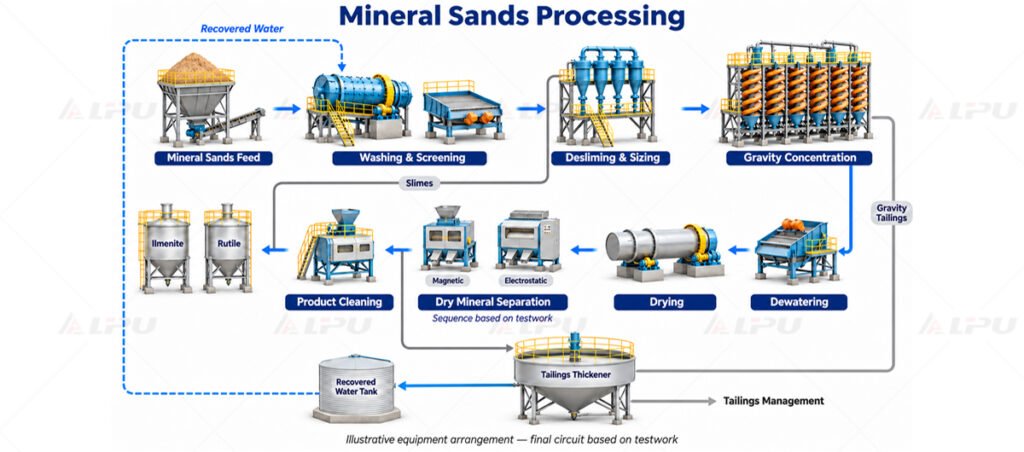
Washing and Screening → Controlled Desliming and Sizing → Gravity Concentration → Heavy-Mineral Concentrate Dewatering → Drying and Conditioning Where Required → Magnetic/Electrostatic Separation and Cleaning → Separate Mineral Products
Mineral Sands Processing Flow
Feed Preparation
Washing and screening remove oversize material and prepare the feed for concentration. Scrubbing may be required where clay coatings interfere with mineral separation.
Desliming should be controlled carefully. Fine fractions should be assayed before rejection to assess potential titanium losses.
Gravity Concentration
Gravity concentration reduces the amount of lighter gangue carried into subsequent separation. Roughing, scavenging and cleaning stages may be arranged according to feed characteristics and recovery objectives.
Heavy-Mineral Separation
The heavy-mineral concentrate is treated through a test-based separation sequence. Magnetic and electrostatic stages may be arranged differently according to feed composition and target products.
Potential zircon or other mineral recovery requires separate evaluation.
Route B: Hard-Rock Ilmenite Processing
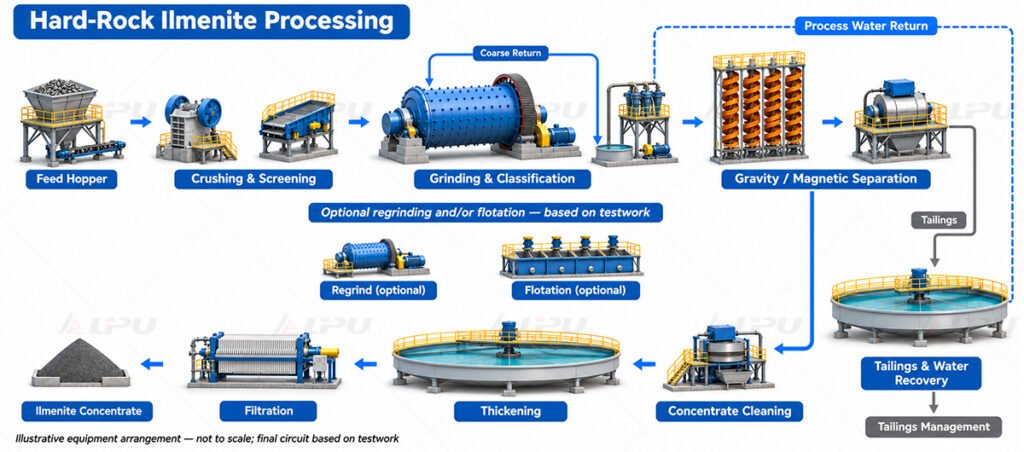
Crushing and Screening → Grinding and Classification → Gravity and/or Magnetic Recovery → Cleaning, with Flotation or Selective Regrinding Where Justified → Concentrate Thickening and Filtration
Illustrative equipment arrangement for hard-rock ilmenite beneficiation
Crushing and Screening
Primary and subsequent crushing stages prepare a controlled feed for grinding. Crusher selection depends on feed size, ore hardness, abrasiveness and required throughput.
Grinding and Classification
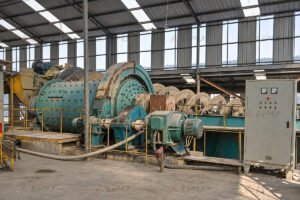
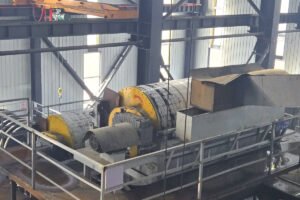
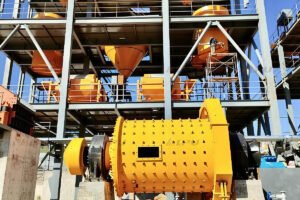
Grinding releases recoverable titanium minerals from associated gangue. The target grind should balance liberation with energy consumption and the risk of producing excessive fines.
Classification controls the material advancing to separation and returns suitable coarse particles for further grinding.
Recovery and Cleaning
Gravity and magnetic separation are evaluated according to mineral properties and liberation. Where magnetite is present, a separate low-intensity magnetic stage may be included.
Flotation or selective middlings regrinding may be added where testwork demonstrates a benefit. Middlings should be sampled before deciding whether to regrind, recirculate or reject them.
Concentrate Dewatering
Thickening and filtration prepare the concentrate for handling and transport. Equipment selection depends on slurry properties, particle size and the required product moisture.
Tailings and Water Management
Separation tailings require appropriate thickening, dewatering and site-specific management. Recovered water can return to the plant where its quality is compatible with the separation process.
Water balance, solids handling and tailings characteristics should be considered during process design.
The flowsheets above are illustrative process concepts. Final stage selection and equipment configuration depend on representative testwork and project requirements.
Equipment for a Titanium Processing Circuit
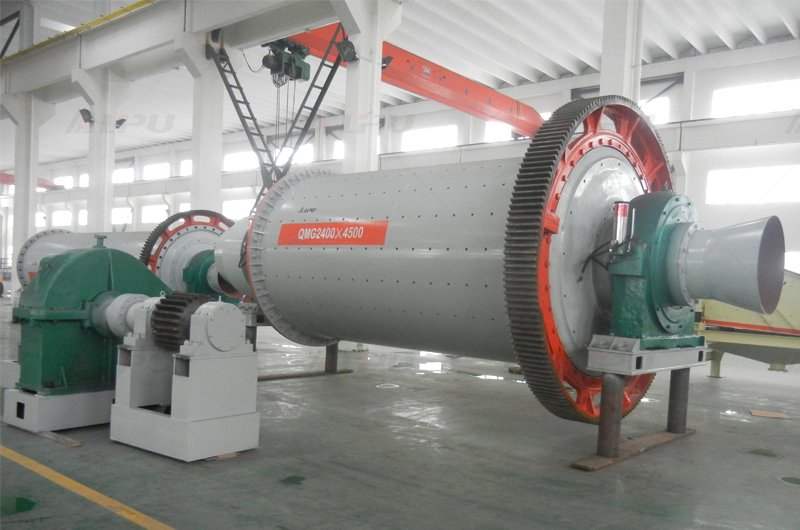
Ball Mill
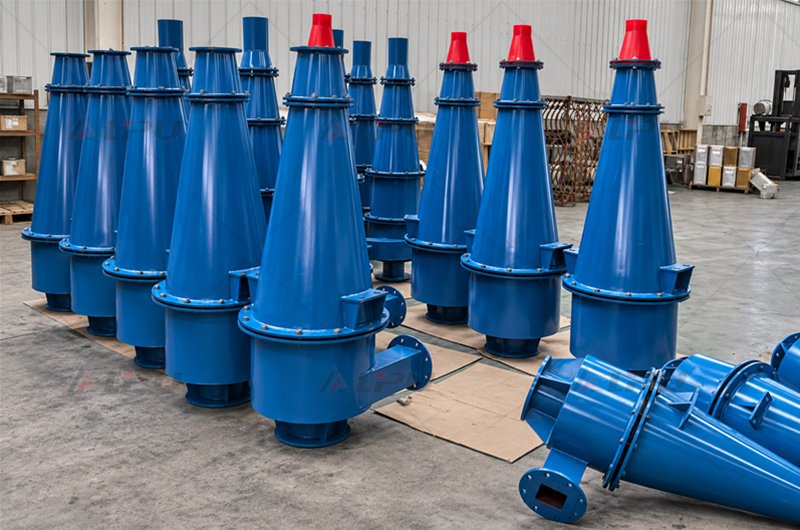
Hydrocyclone
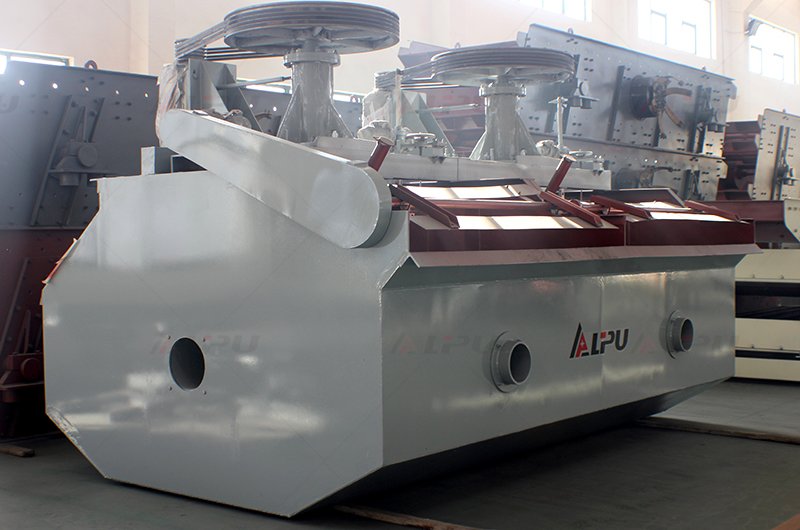
Flotation Machine
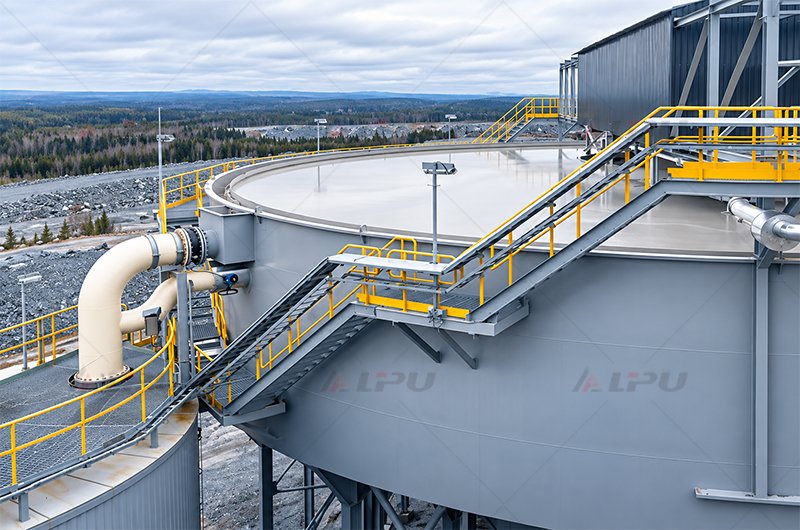
Thickener
Process stage
Equipment to evaluate
Information needed for selection
Hard-rock feed preparation
Feeder, jaw crusher, secondary crusher and vibrating screen
Feed top size, hardness, abrasiveness and dry throughput
Mineral-sands preparation
Washing/scrubbing equipment, screens and classification equipment
Clay content, size distribution and water availability
Settling and filtration tests, moisture target and water balance
Equipment supply scope and final configuration are confirmed in the project proposal. Equipment sizing should account for the circuit mass balance, recirculating loads and operating hours.
What Determines Titanium Concentrate Quality?
TiO₂ grade should be evaluated together with titanium recovery, mass yield and losses in tailings.
Depending on the intended buyer, product specifications may also include:
Iron content and mineral composition
Silica and alumina
Chromium, phosphorus and sulfur
Particle-size distribution
Product moisture
The required limits depend on the product and downstream process. A high TiO₂ assay alone does not establish that a concentrate is suitable for a particular customer.
Product targets should be agreed against buyer specifications and demonstrated through representative testwork. Beneficiation produces mineral concentrates; synthetic rutile, titanium slag, pigment and titanium metal production require additional processing.
Testwork and Project Planning
Provide representative samples and available mineralogical reports so the route can be evaluated against your objectives. Review our guide to metallurgical testwork before flowsheet design to understand the information needed for process selection. Useful investigations include feed and size-fraction assays, mineral liberation assessment, gravity and magnetic separation tests, and electrostatic or flotation tests where relevant. Slimes and middlings should be assayed before they are treated as waste.
A project proposal should define the feed basis, proposed flowsheet, equipment duties, utility requirements and the assumptions behind expected performance. Delivery schedule, installation support and warranty terms are confirmed in the commercial offer.
Frequently Asked Questions
Can one process recover both ilmenite and rutile?
A combined circuit may recover both where they occur as suitably liberated minerals. Gravity concentration can produce a heavy-mineral concentrate, followed by magnetic and electrostatic separation to obtain separate mineral products. The sequence depends on test results.
Does every titanium processing plant need grinding?
No. Liberated mineral sands may require washing, sizing and concentration without grinding. Hard-rock ores commonly require controlled crushing and grinding to release titanium minerals from gangue.
Which separation method is suitable for titanium ore?
The choice depends on mineral composition, liberation size and feed characteristics. Gravity, magnetic and electrostatic separation may suit liberated mineral sands, while fine or complex ores may require flotation or a combined circuit.
What concentrate grade and recovery can be achieved?
Achievable results depend on mineral composition, liberation, feed variability and product specifications. Representative testwork and a circuit mass balance are needed to establish realistic performance targets.
What information is needed for a processing proposal?
Provide the project location, dry feed capacity, ore type, feed size, titanium dioxide assay, target product specifications, and available water and power conditions. Mineralogical reports and separation test results help refine the proposal.