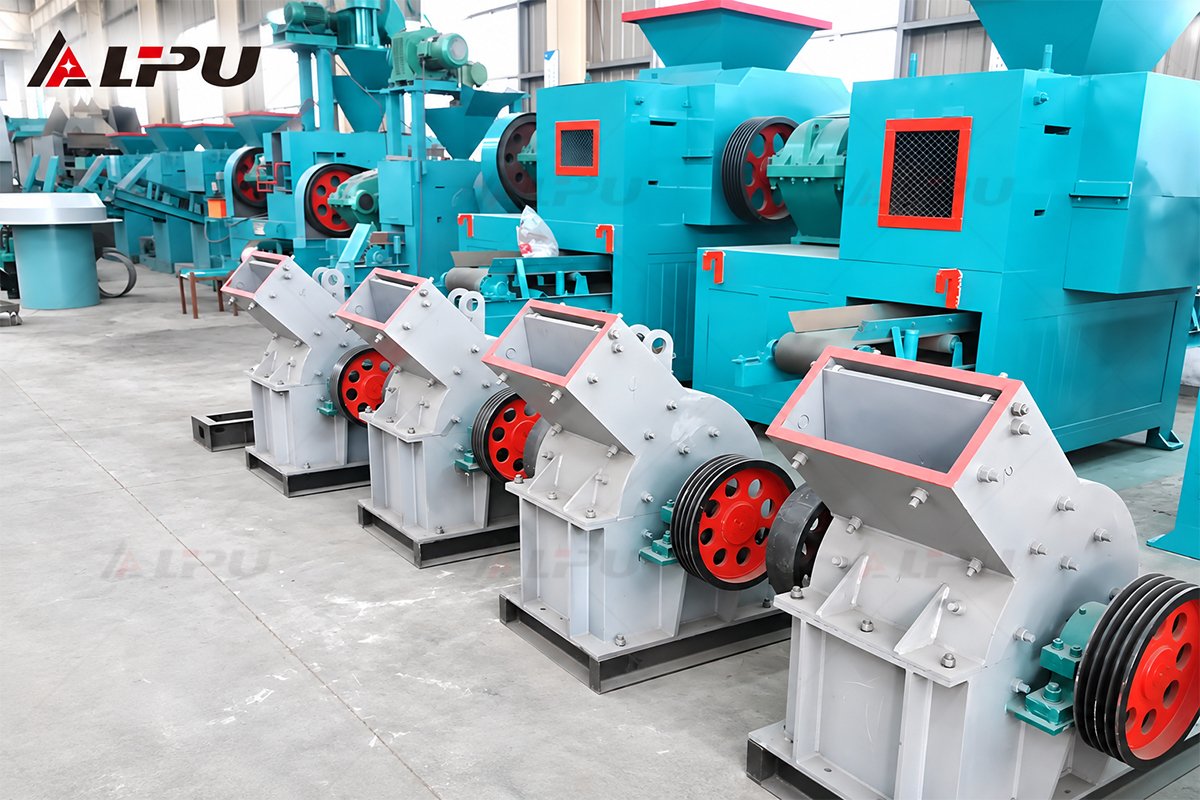
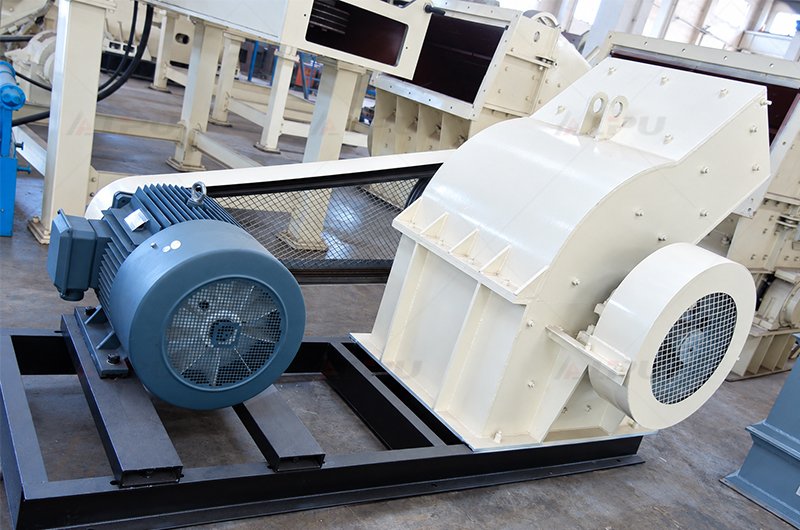
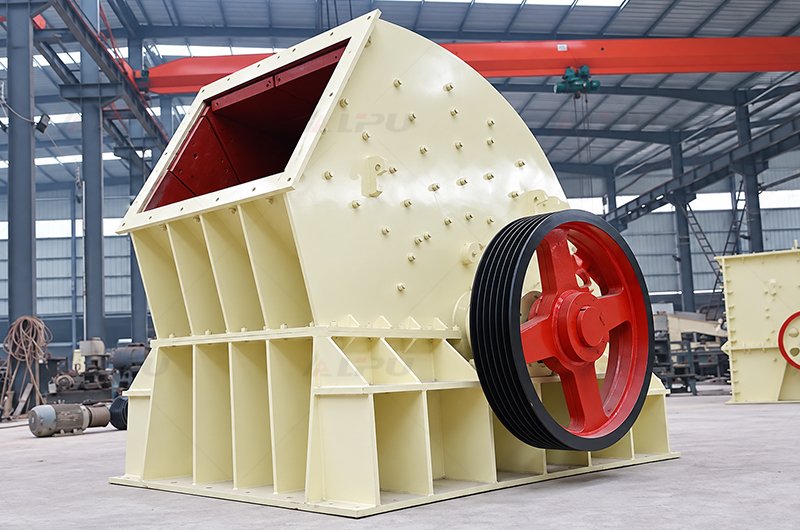
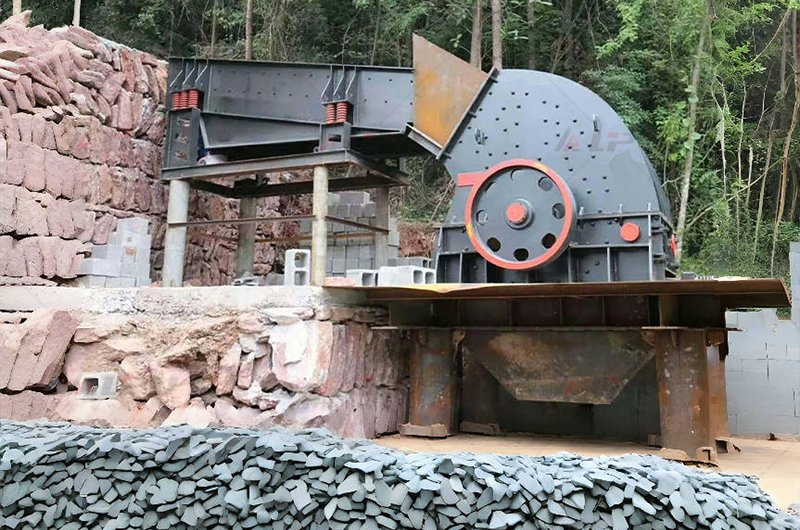
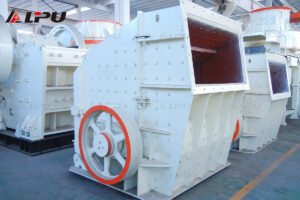
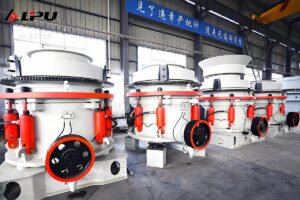
A hammer crusher is an impact crushing machine that reduces material through repeated blows from high-speed rotating hammer heads.
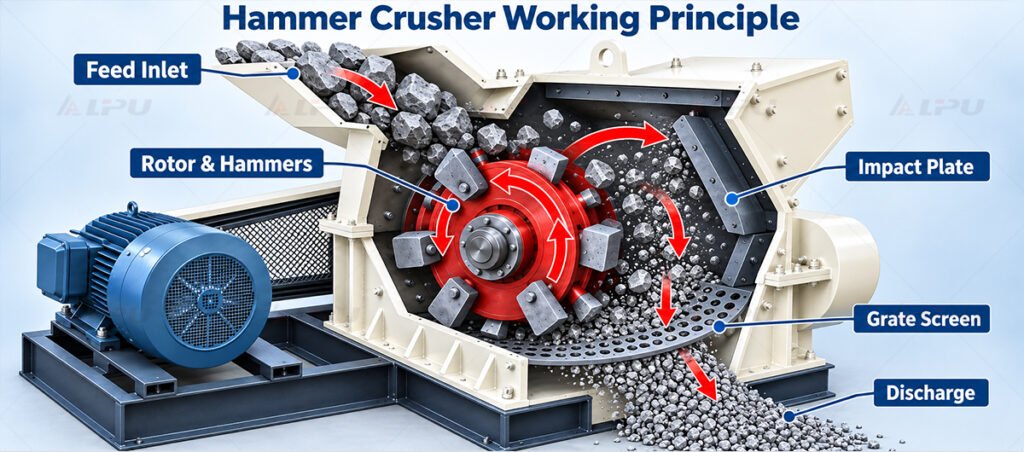
The rotor carries multiple hammer heads inside the crushing chamber. When material enters the machine, the hammers strike it at high velocity.
The broken material then collides with the impact surfaces, grate bars and other particles inside the chamber.
Particles small enough to pass through the grate openings leave the crusher, while oversized particles remain inside for further impact.
This crushing mechanism makes the hammer crusher especially suitable for brittle and medium-hard materials.
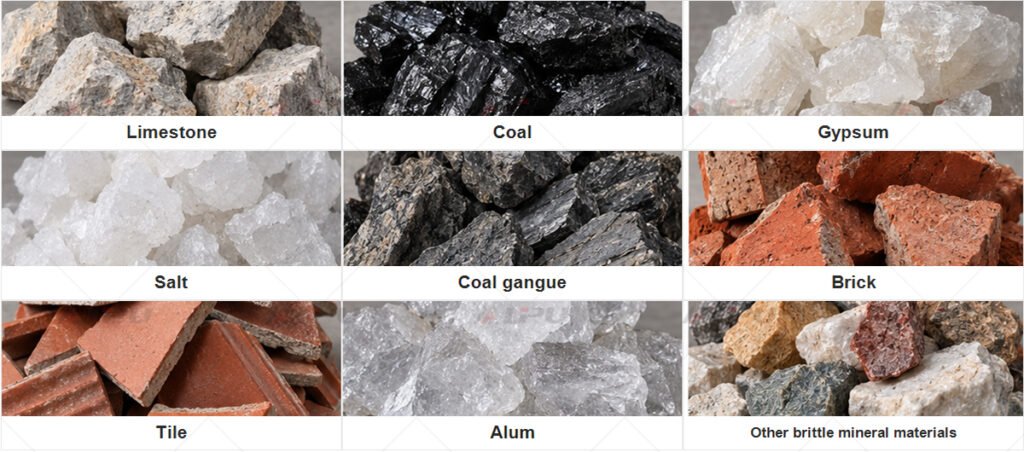
According to the existing LIPU product data, typical suitable feed materials include:
Typical hammer crusher materials
Limestone
Coal
Gypsum
Salt
Coal gangue
Brick
Tile
Alum
Other brittle mineral materials
For the current PC series, the existing product information specifies materials with compressive strength up to approximately 150 MPa and moisture content below 15%.
Suitable Materials and Applications
Hammer crushers are commonly used where the feed is relatively brittle and does not require the very high crushing force associated with hard-rock cone crushing.
Typical applications include:
Limestone crushing
Limestone can be reduced for cement production, construction materials and other industrial uses.
Coal and coal gangue crushing
Hammer crushers can process brittle coal-based materials for preparation and size reduction.
Gypsum crushing
Gypsum can be crushed before further grinding or downstream material processing.
Brick and construction material crushing
Brittle building materials can be reduced into smaller particles for recycling or further processing.
Small mineral processing plants
For certain ores and brittle mineral materials, a hammer crusher can be used after primary crushing to produce a finer feed for grinding or gravity separation.
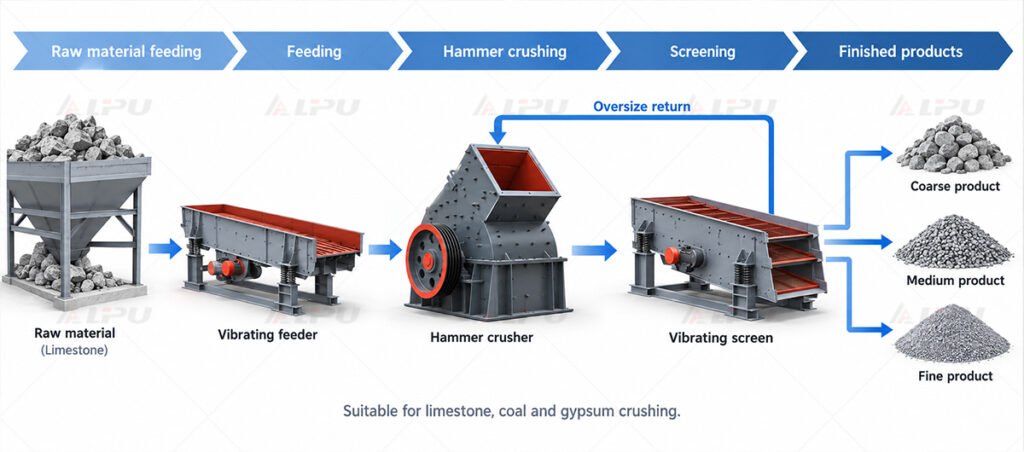
A typical small processing route can be arranged as:
Raw Material → Jaw Crusher → Hammer Crusher → Screening / Grinding / Gravity Separation
A Jaw Crusher can reduce larger feed before the material enters the hammer crusher.
Material enters the crushing chamber through the feed opening.
The motor drives the rotor at high speed. Hammer heads mounted on the rotor strike the incoming material and accelerate the broken particles toward the impact surfaces.
Inside the chamber, size reduction occurs through several mechanisms:
Direct hammer impact
Collision with impact surfaces
Particle-to-particle collision
Repeated crushing above the grate
Final size control through grate openings
Material remains in the crushing chamber until it is small enough to pass through the grate.
This is different from compression crushers such as jaw and cone crushers, where the material is mainly squeezed between crushing surfaces.
Main Components
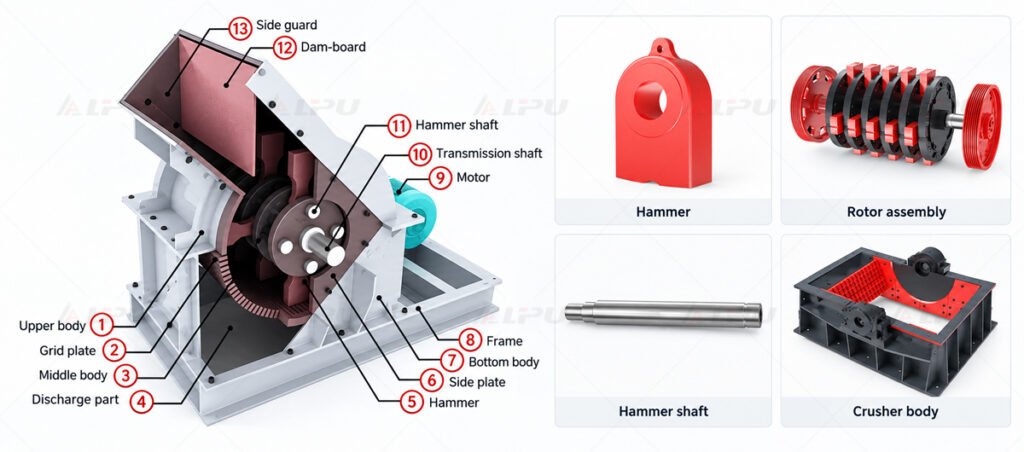
The main components of a hammer crusher typically include:
Main hammer crusher components
Feed inlet
Crusher housing
Rotor
Main shaft
Hammer heads
Hammer pins
Impact surface
Grate bars
Bearings
Drive system
Discharge opening
The rotor and hammer heads perform the main crushing work.
The grate system helps control the final discharge size and keeps oversized particles inside the crushing chamber for additional impact.
Types of Hammer Crushers
LIPU can provide different hammer crusher configurations for different crushing requirements.
PC hammer crusher
Heavy duty hammer crusher
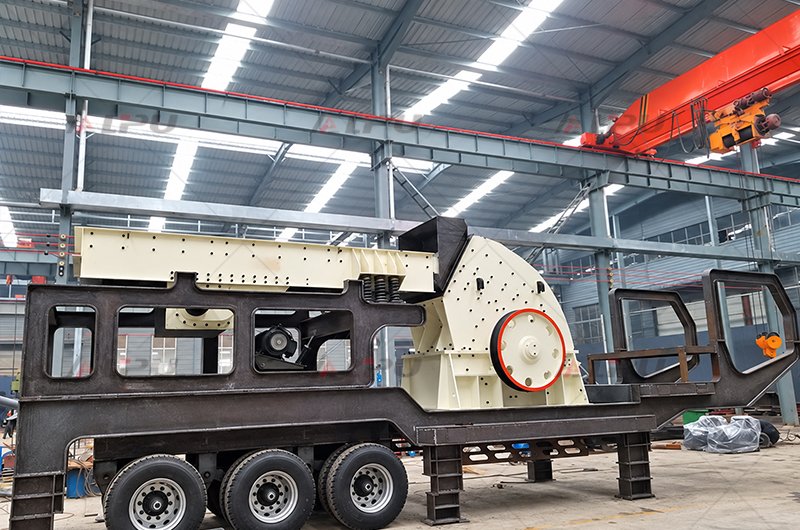
Mobile hammer crusher
PC Hammer Crusher
The PC series is the standard hammer crusher configuration listed in the current LIPU technical parameters.
It is suitable for relatively brittle materials and small-to-medium processing capacities.
Heavy-Duty Hammer Crusher
Heavy-duty hammer crushers use a larger crushing chamber and heavier rotor arrangement for applications requiring higher throughput or larger feed.
Final configuration should be selected according to feed size, material strength and required product size.
Mobile Hammer Crusher
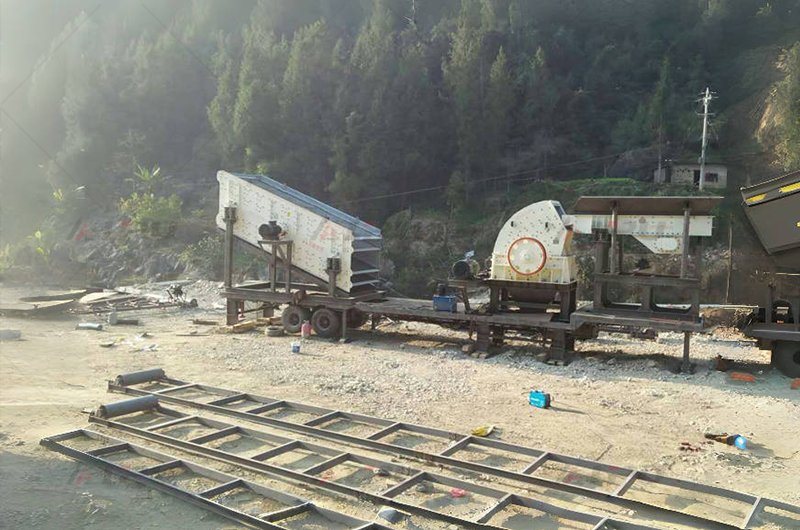
A hammer crusher can also be integrated into a mobile crushing system where frequent relocation or flexible site operation is required.
The crusher itself should still be selected according to the material characteristics rather than mobility alone.
Hammer Crusher Discharge Size and Product Control
The final particle size of a hammer crusher is influenced by several factors.
Grate opening
The grate opening is one of the most important controls on discharge size.
Smaller openings generally produce a finer product, but they can also reduce throughput.
After crushing, a vibrating screen can separate the product into different particle-size fractions.
For manufactured sand or aggregate projects requiring better particle shape and more precise control, a VSI Sand Maker may be more appropriate as the final shaping stage.
The actual process should be selected according to feed size, hardness, abrasiveness, moisture content and required product specification.
Hammer Crusher Technical Parameters
LIPU PC series hammer crushers are available in the following models:
Specification
Capacity (t/h)
Motor Power
PC 400×300
3–10
11 kW
PC 600×400
6–22
22 kW
PC 800×600
10–40
55 kW
PC 1000×800
15–50
75 kW
PC 1000×1000
18–75
90 kW
PC 1200×1200
22–95
132 kW
Actual capacity depends on feed size, material hardness, moisture content, discharge opening, hammer condition and operating conditions.
Feed size and final discharge size should be confirmed according to the selected model and material before equipment selection.
How to Select the Right Hammer Crusher
Hammer crusher selection should consider the complete crushing duty rather than capacity alone.
Material hardness
Hammer crushers are best suited for brittle and medium-hard materials.
Very hard or highly abrasive feed can accelerate hammer wear.
Feed size
The maximum feed size should be matched to the crusher inlet and rotor configuration.
If the raw material is too large, a jaw crusher may be required for primary crushing.
Required product size
The grate opening and crushing chamber configuration should match the required discharge size.
Moisture content
Wet or sticky materials can block grate openings and reduce crushing efficiency.
Required capacity
Select a model that provides sufficient capacity without continuously operating at the extreme limit.
Abrasiveness
Highly abrasive material increases wear on hammer heads, grate bars and internal liners.
Downstream process
The required feed size for screening, grinding or beneficiation equipment should be considered when selecting the hammer crusher.
Before final model selection, provide the following information:
Material type
Maximum feed size
Required final size
Required capacity
Moisture content
Material hardness
Downstream process
Why Choose LIPU?
LIPU provides PC series hammer crushers and complete crushing solutions for mineral processing, industrial minerals and construction material applications.
Equipment configuration can be matched according to:
Limestone crushing site
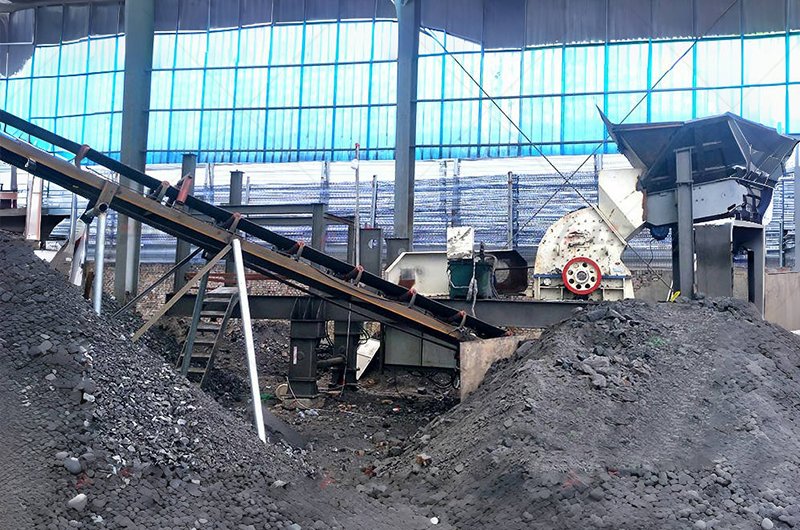
Coal processing site
Mineral processing site
Feed material
Required capacity
Feed size
Final product size
Moisture condition
Wear characteristics
Plant layout
Downstream processing requirements
LIPU can also integrate hammer crushers with feeders, jaw crushers, vibrating screens, conveyors and mineral processing equipment to configure a complete crushing system.
Frequently Asked Questions
What materials are suitable for a hammer crusher?
Hammer crushers are suitable for relatively brittle and medium-hard materials such as limestone, coal, gypsum, coal gangue, brick and similar industrial materials.
Can a hammer crusher be used as a primary crusher?
In some applications with suitable feed size and relatively brittle material, yes. For larger or harder raw material, a jaw crusher is usually more suitable for primary crushing.
How is the discharge size controlled?
The final discharge size is mainly influenced by the grate opening, rotor speed, hammer condition and material characteristics.
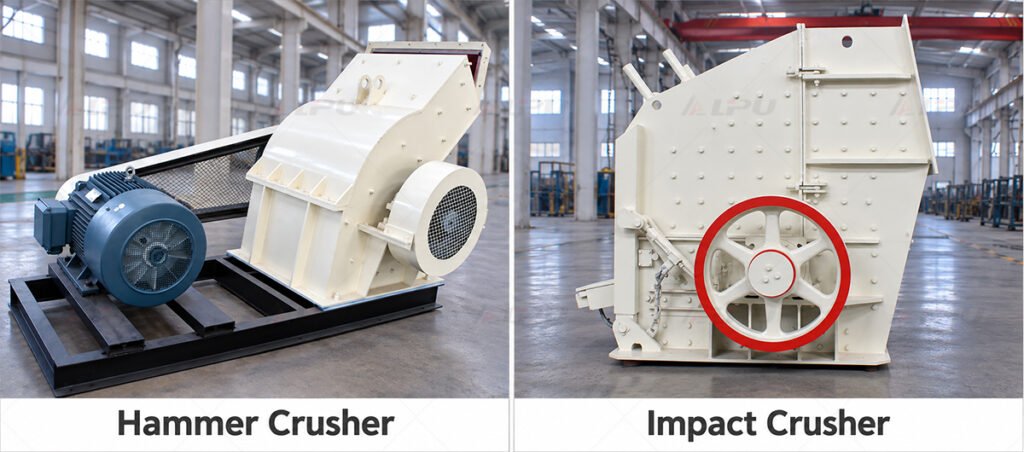
What is the difference between a hammer crusher and an impact crusher?
A hammer crusher uses multiple hammer heads and grate bars, while an impact crusher normally uses blow bars and impact plates. Hammer crushers are commonly used for brittle materials and finer crushing, while impact crushers are widely used for secondary aggregate production.
What information is needed to select a hammer crusher?
Provide the material type, maximum feed size, required final size, required capacity, moisture content and downstream process. These factors determine the appropriate crusher model and configuration.
LET US REACH YOUNeed detailed customization and latest price? Chat online or leave message below!
How we use cookies
This Cookie Privacy Policy statement explains how Zoneding Machine (hereinafter referred to as "we", "our", or "this website") uses cookies and similar technologies (collectively referred to as "cookies") to identify you when you visit our website lepuu.com. It explains what these technologies are, why we use them, and your rights to control our use of them.
Privacy Policy
Leave a Message
We will reply to you within 24 hours
Hello, I am Lipu Heavy Industry, what can we do for you please?