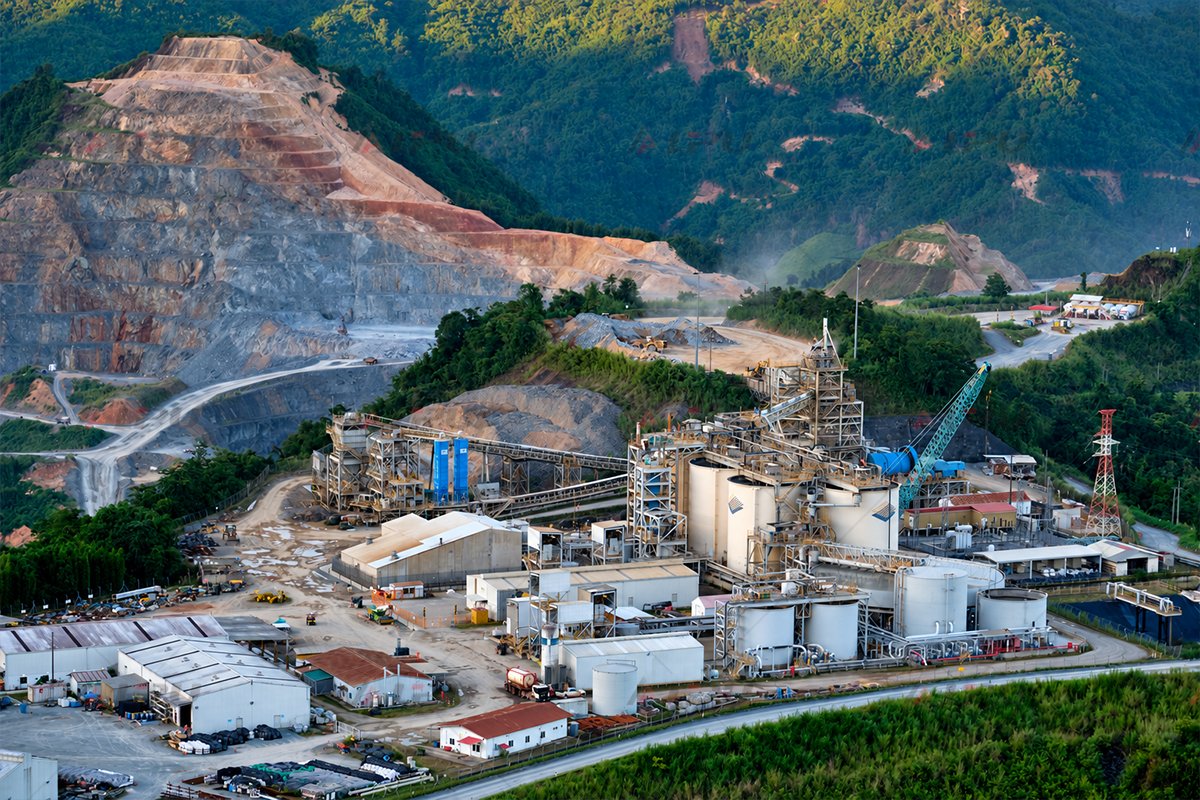
Hard Rock Gold Plant Configuration for Your Ore and Capacity
LIPU configures hard rock gold processing plants around your ore, feed size, and required capacity.We match crushing, grinding, classification, and gravity recovery equipment into one practical circuit. For complex ores, flotation or other downstream treatment can be considered based on available analysis and project requirements.
Discuss Your Ore, Capacity, and Processing Requirements With LIPU
A Processing Plant Should Start With Your Ore
Hard rock gold ore can contain coarse free gold, fine gold, quartz-vein gold, sulfide-associated gold, or several valuable minerals in one deposit. That is why a fixed equipment list is not suitable for every project.
Before recommending a preliminary configuration, LIPU considers ore characteristics, feed conditions, capacity requirements, and the final product objective.
Information to provide
Why it matters
Ore type and gold grade
Helps identify the potential processing route
Mineral composition
Shows valuable minerals and associated gangue
Maximum feed size
Determines crushing stages and equipment selection
Ore hardness and abrasiveness
Affects crushing, grinding, wear, and practical capacity
Gold liberation characteristics
Helps determine grinding and recovery requirements
Clay and moisture content
Affects feeding, screening, washing, and handling
Required capacity
Determines equipment size and circuit matching
Water and power conditions
Affects plant arrangement and supporting equipment
Hard Rock Gold Mining Process
A hard rock gold processing plant usually combines size reduction, mineral liberation, classification, and gold recovery. The exact process is adjusted according to the actual ore and project requirements.
Crushing and Screening
Crushing and screening prepare stable feed for the grinding circuit
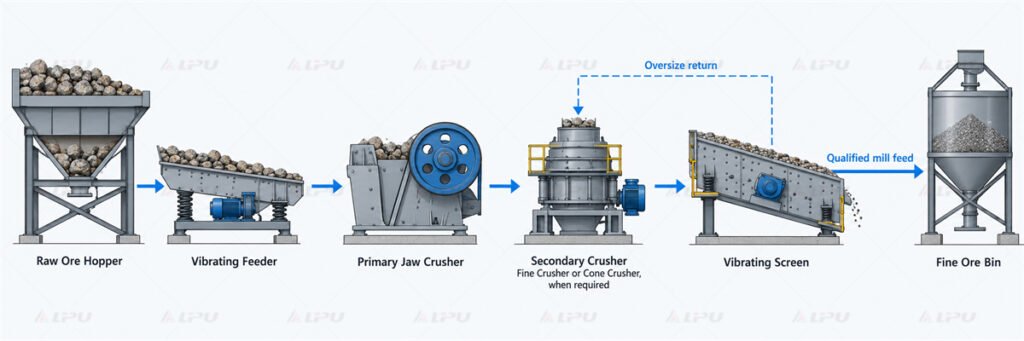
The crushing section prepares a stable feed for the grinding circuit.
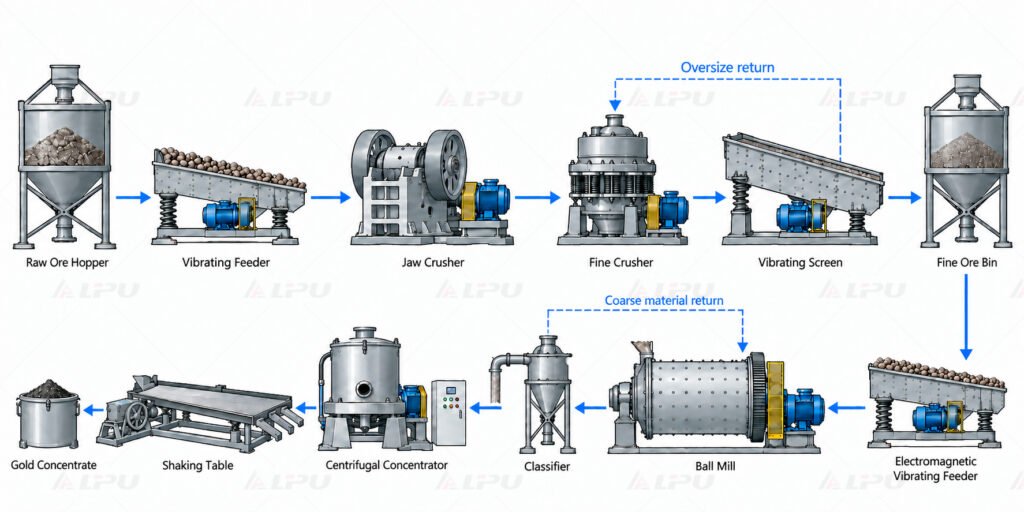
Raw ore is fed through a hopper and vibrating feeder to a primary crusher. A jaw crusher is commonly selected for primary crushing. Depending on feed size, ore hardness, required product size, and capacity, a secondary crusher or fine crusher may also be included.
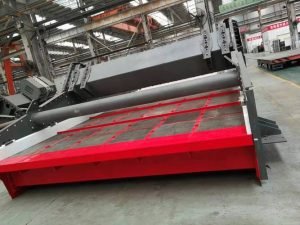
Vibrating screens separate qualified material from oversized material. Oversized material is returned for further crushing, helping maintain a more consistent feed size before grinding.
Grinding and classification prepare sufficiently liberated material for recovery
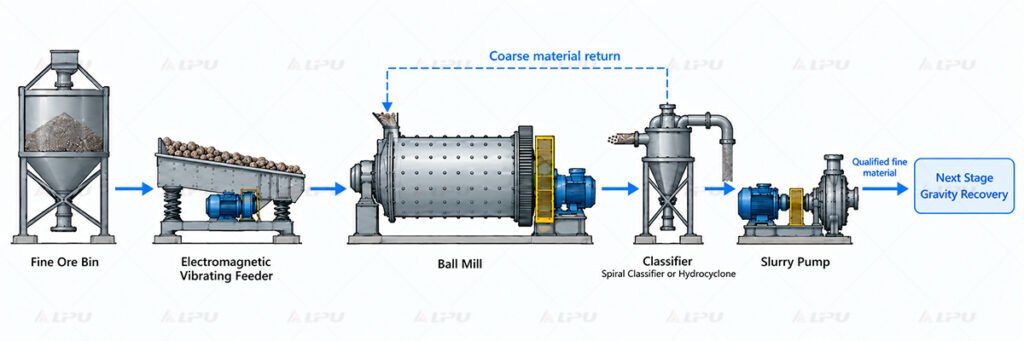
Grinding reduces ore to the particle size needed to release gold from gangue minerals. The objective is sufficient liberation for the next recovery stage, rather than simply producing the finest possible material.
A ball mill is commonly used with a spiral classifier or hydrocyclone. Qualified fine material moves to the recovery circuit, while coarse material is returned for further grinding.
Grinding fineness should be confirmed according to mineral liberation, ore texture, downstream separation method, and required throughput.
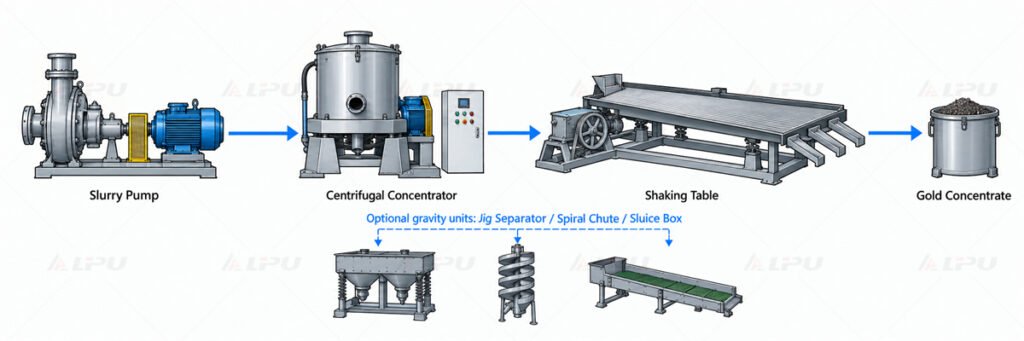
Gravity separation may be suitable when gold is sufficiently liberated and there is a useful density difference between gold and the surrounding gangue minerals.
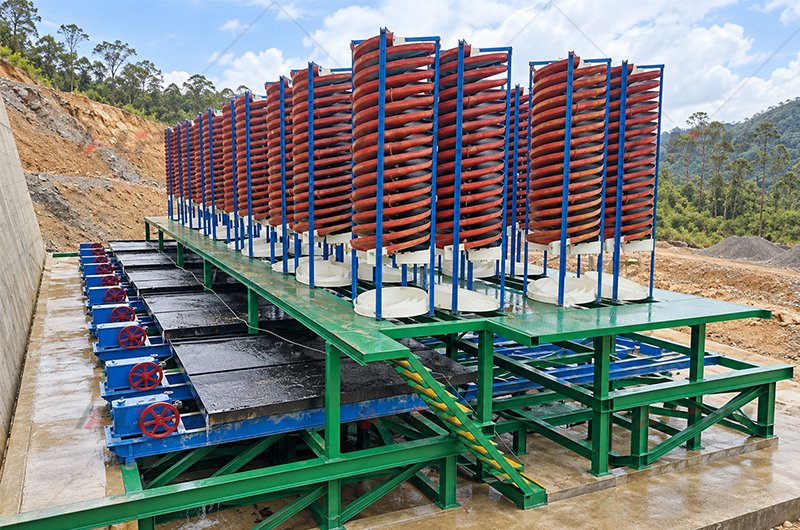
Depending on particle size, ore characteristics, and recovery requirements, the gravity circuit may include centrifugal concentrators, jigs, spiral chutes, sluice boxes, or shaking tables. Classification before gravity recovery can improve separation stability and equipment performance.
Gravity recovery is often considered for coarse free gold. Fine or sulfide-associated gold may require an additional recovery stage.
Typical equipment
Gravity separation is suitable when ore properties support density-based recovery
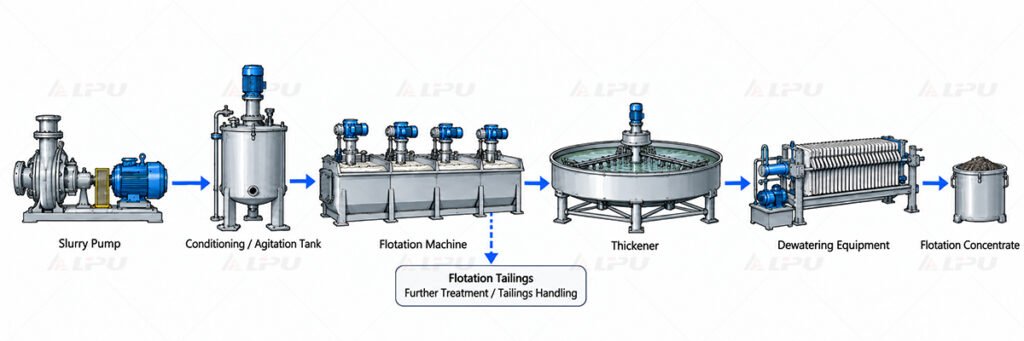
Flotation may be considered for gold associated with sulfide minerals
Gravity separation is not the correct route for every hard rock gold ore.
When gold is closely associated with sulfide minerals, flotation may be considered after grinding and classification. Flotation uses differences in mineral surface properties to separate valuable minerals from gangue.
For complex ores, a combined process may be required. The final treatment method should be determined from available ore analysis, beneficiation test data, required product specifications, operating conditions, and relevant environmental requirements.
Note: This table supports preliminary project discussion. Final process selection and equipment sizing should be based on actual ore information and project requirements.
Example: 10 TPH Hard Rock Gold Processing Plant
This example shows a possible configuration for a compact hard rock gold processing project. It is a reference only and should not be treated as a universal plant design.
The plant may include controlled raw ore feeding, primary and fine crushing, screening, fine ore storage, closed-circuit grinding, classification, and gravity recovery equipment. The selected equipment models depend on ore hardness, feed size, required grinding fineness, gold occurrence, and site conditions.
A reference plant configuration should be adjusted to actual ore and site conditions
Typical Equipment Scope
Raw ore hopper and vibrating feeder
Jaw crusher
Fine crusher or cone crusher
Vibrating screen
Belt conveyors and transfer bin
Ball mill
Spiral classifier or hydrocyclone
Slurry pumps
Centrifugal concentrator or shaking table
Electrical control system
Customization Options
Processing capacity
Feed size and crushing stages
Fixed, modular, or mobile arrangement
Grinding and classification configuration
Gravity recovery equipment selection
Addition of flotation or other downstream treatment
Power supply and automation requirements
Why Choose LIPU?
Hard Rock Gold Gravity Recovery Circuit
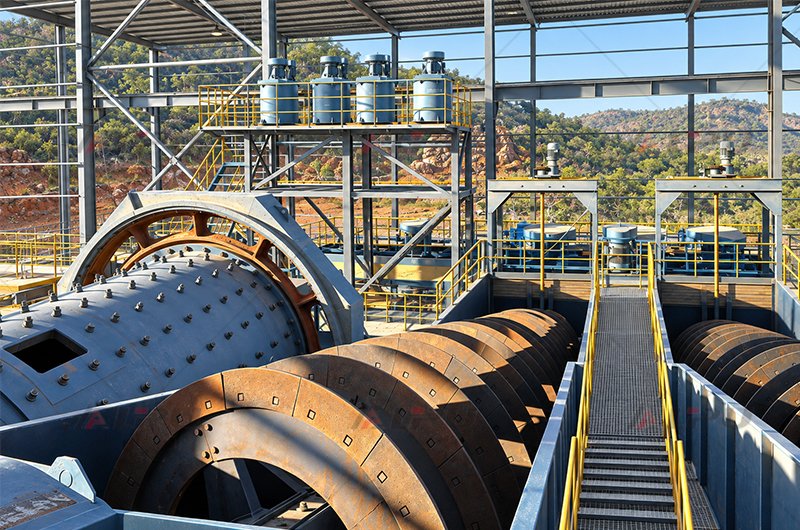
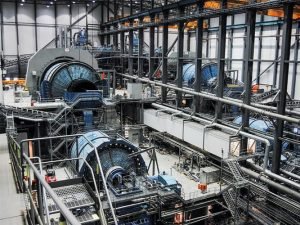
Hard Rock Gold Grinding and Classification Area
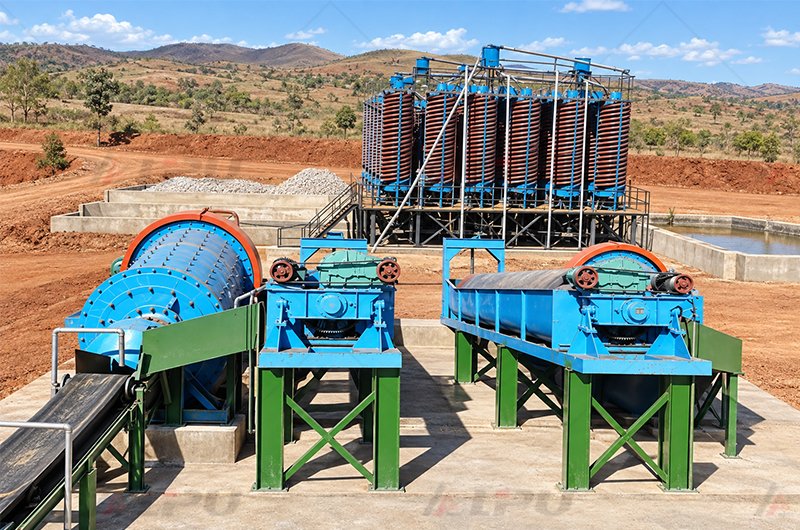
Hard Rock Gold Spiral Chute and Shaking Table Circuit
Equipment and Circuit Matching
LIPU provides equipment for crushing, screening, grinding, classification, gravity separation, flotation, magnetic separation, thickening, dewatering, feeding, and conveying. This allows the plant to be considered as one connected processing circuit rather than unrelated machines.
Project-Based Equipment Selection
Equipment selection is based on material characteristics, required capacity, feed size, final product requirements, and available project information.
Manufacturing and Technical Support
LIPU supports equipment manufacturing, inspection, delivery coordination, installation guidance, commissioning support, spare-parts supply, and technical service.
Frequently Asked Questions
Can gravity separation recover all gold from hard rock ore?
No. Gravity recovery is most suitable when gold is sufficiently liberated and has a favorable particle size. Fine or sulfide-associated gold may require flotation or another suitable downstream process.
What information is needed for a preliminary equipment recommendation?
Please provide the ore type, available ore analysis, maximum feed size, required capacity, target product requirement, and any available test data. Water, power, site conditions, and existing equipment are also useful.
Can LIPU provide a complete hard rock gold processing line?
LIPU can support equipment selection and process configuration for crushing, grinding, classification, gravity separation, flotation, dewatering, feeding, conveying, and related mineral processing stages.
Can a ball mill work with a classifier?
Yes. A ball mill can work with a spiral classifier or hydrocyclone in a closed grinding circuit. Classification helps control which particles move to recovery and which require further grinding.
LET US REACH YOUNeed detailed customization and latest price? Chat online or leave message below!
How we use cookies
This Cookie Privacy Policy statement explains how Zoneding Machine (hereinafter referred to as "we", "our", or "this website") uses cookies and similar technologies (collectively referred to as "cookies") to identify you when you visit our website lepuu.com. It explains what these technologies are, why we use them, and your rights to control our use of them.
Privacy Policy
Leave a Message
We will reply to you within 24 hours
Hello, I am Lipu Heavy Industry, what can we do for you please?