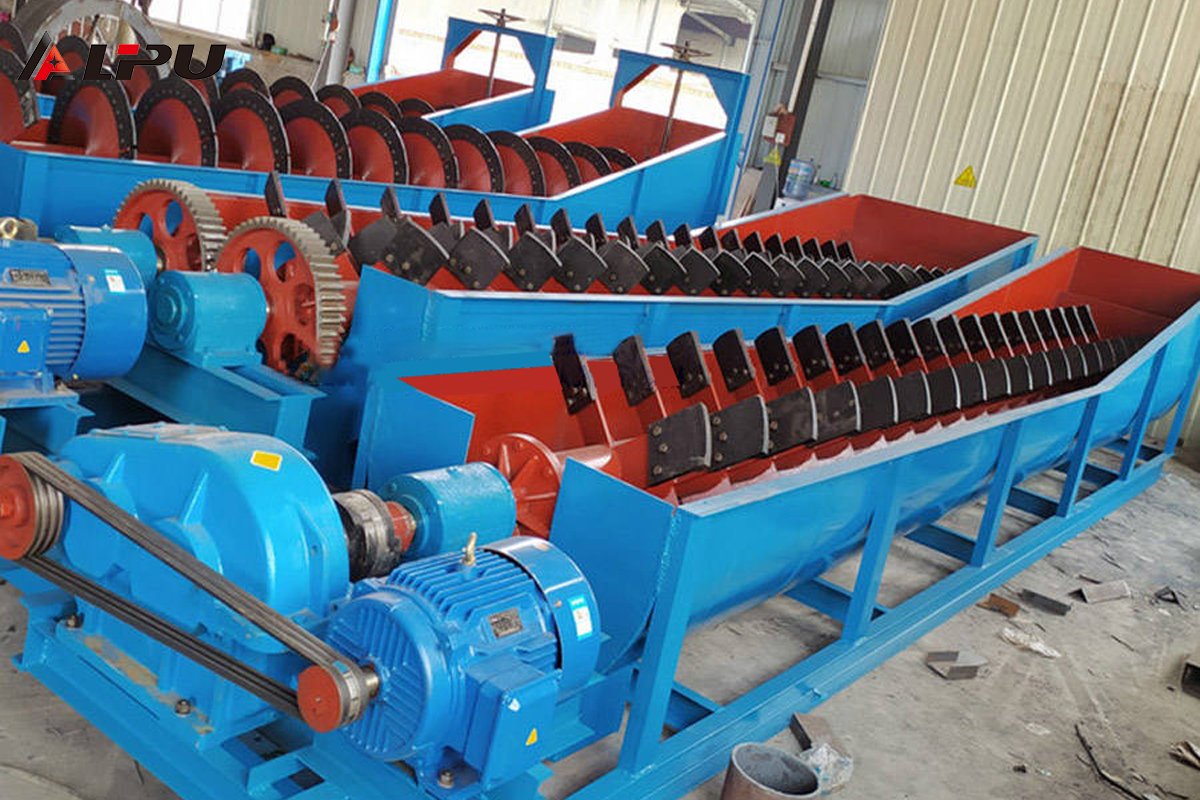
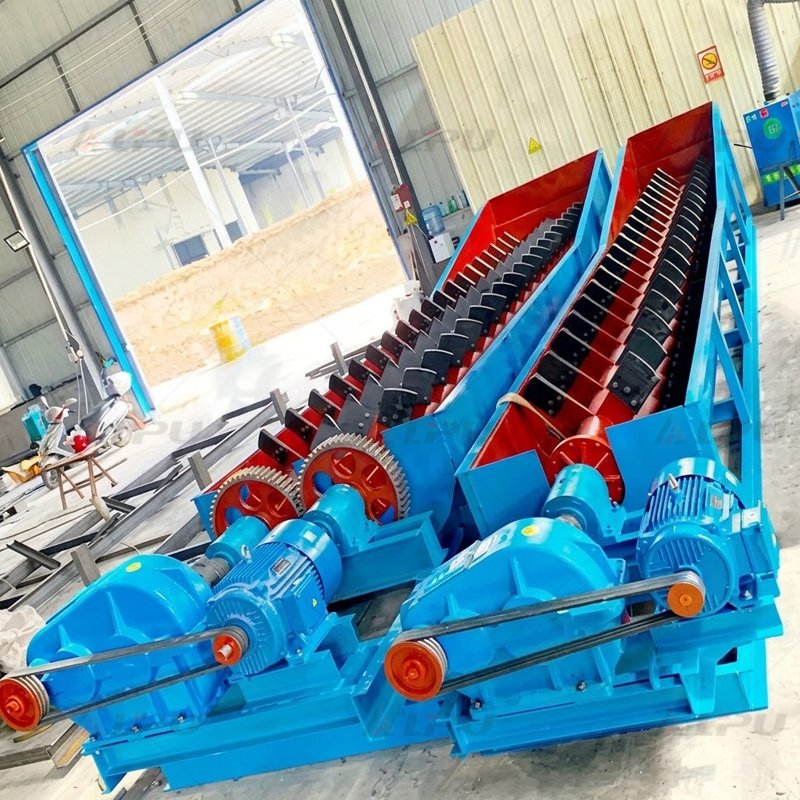
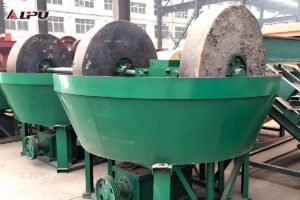
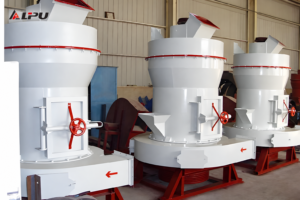
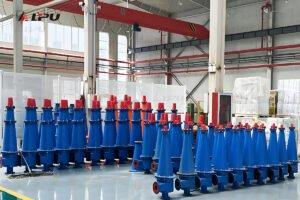
The LIPU Log Washer uses intensive agitation and water-assisted scrubbing to loosen clay, mud, and other surface contaminants from coarse ore and stone.
Feeding Size: Up to 70 mm
Processing Capacity: 10–100 t/h, depending on model
Available Configuration: Single- or double-shaft
Typical Materials: Manganese ore, iron ore, phosphate rock, copper ore, barite, hard kaolin, river pebble, granite, basalt, limestone, calcite, quartz stone, and diabase
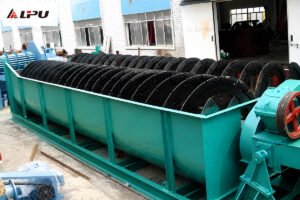
A log washer is a trough-style washing machine for scrubbing clay-bearing or muddy material. Rotating shafts fitted with paddles agitate the feed in water, helping loosen sticky coatings and separate clay and mud from coarser particles.
It is commonly installed before screening, crushing, or mineral separation when surface contamination may affect downstream processing.
What Materials Can a Log Washer Process?
Typical materials include manganese ore, iron ore, phosphate rock, copper ore, barite, hard kaolin, river pebble, granite, basalt, limestone, calcite, quartz stone, and diabase.
Material suitability depends on clay type, feed size, water availability, and the required product cleanliness. A material test may be needed for highly plastic clay or strict washing requirements.
How Does a Log Washer Work?
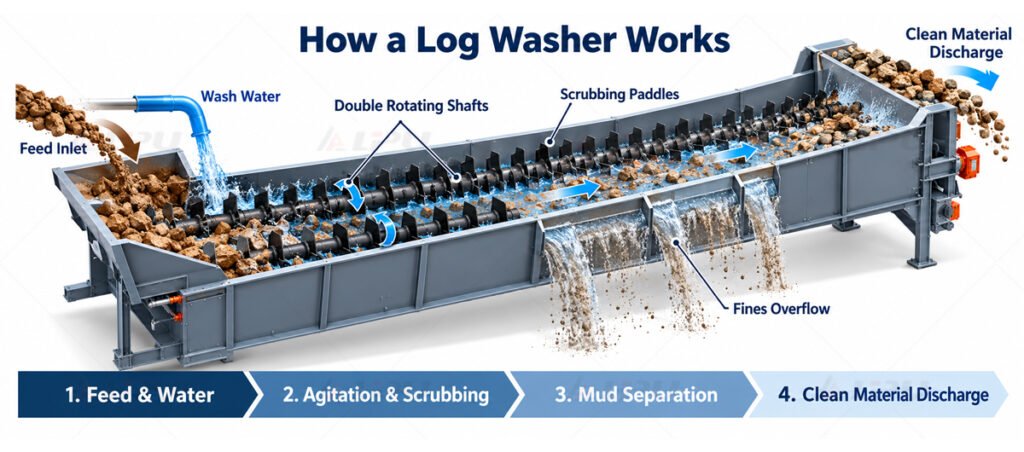
Feed material and water enter the washing trough. The rotating shafts agitate and scrub the material, while the paddles move it through the washing zone. This action helps break up clay lumps and detach mud from ore or stone surfaces.
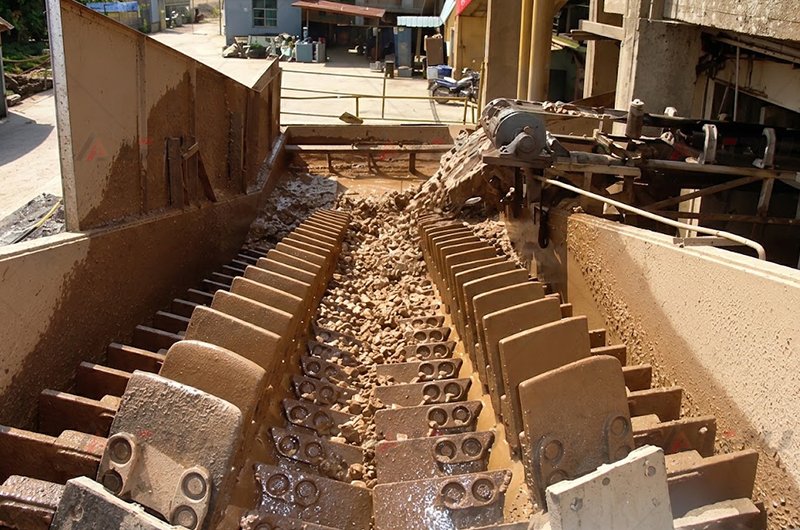
A log washer scrubs clay and mud from ore as paddles move material through the washing trough
Wash water carries loosened fines away from the coarse material. The washed product exits through the discharge end for further processing. Water flow and discharge arrangements depend on the selected model and plant layout.
How a Log Washer Fits into a Washing Circuit
A log washer is typically installed where clay-bound feed needs scrubbing before downstream processing. Depending on the plant, the washed material may proceed to screening, crushing, gravity separation, magnetic separation, or flotation.
The process arrangement depends on the feed properties, washing target, water system, and the equipment used in the rest of the plant.
Main Components of a Log Washer
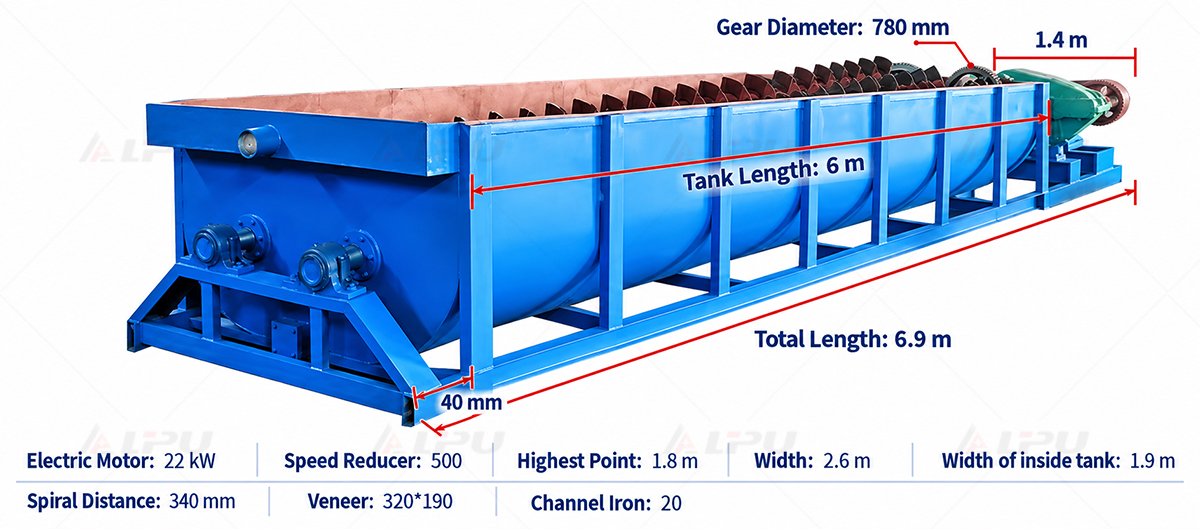
A log washer typically consists of a washing trough, rotating shafts with paddles, a drive system, feed and discharge openings, and a water arrangement. The exact construction varies by model.
Main components and dimensions of a log washer
Component
Function
Washing trough
Holds material and wash water during scrubbing
Shaft and paddles
Agitate the feed and move it through the washing zone
Drive system
Provides rotational power to the washing shafts
Feed inlet
Directs untreated material into the machine
Discharge outlet
Releases washed material for the next process step
Water system
Supplies wash water and carries loosened fines away
Log Washer Benefits
Scrubs clay and mud from coarse ore and stone.
Moves material continuously through the washing trough.
Offers single- and double-shaft configurations for different feed conditions.
Can be installed before crushing or mineral separation to reduce surface sludge in downstream operations.
Can be selected according to feed size, capacity, and washing requirements.
Log Washer Specifications
Model
Spiral Diameter (mm)
Rotating Speed (r/min)
Feeding Size (mm)
Tank Slope (°)
Capacity (t/h)
Motor Power (kW)
Weight (t)
2RXL320
750
28
≤30
≤12
10
4
0.9
2RXL400
750
23
≤30
≤12
20
5.5
1.9
2RXL540
1000
23
≤30
≤12
25
7.5
3.9
2RXL750
1000
22.7
≤70
≤12
50
40
17.2
2RXL800
1200
22
≤70
≤12
70
45
18.9
2RXL914
1200
21
≤70
≤12
100
55
23
Capacity depends on material properties and operating conditions. Confirm the final model and motor configuration with the supplier.
Customer Site Photos
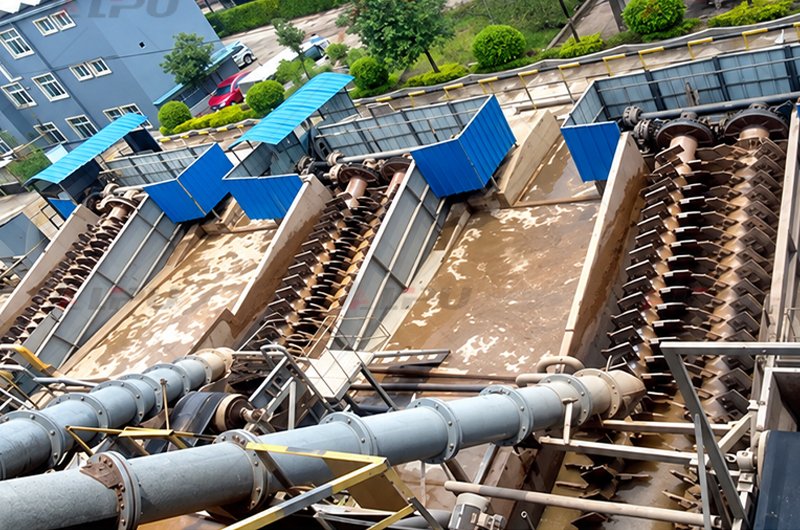
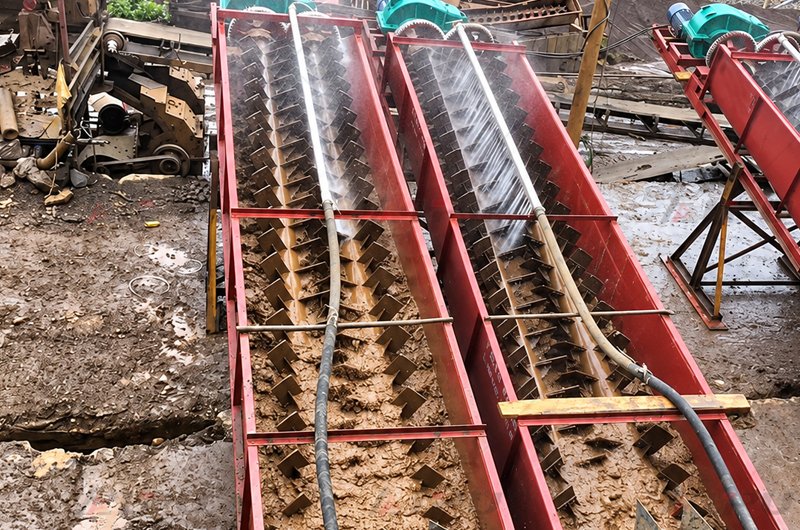
Log washers can be integrated into ore-washing and aggregate-processing plants. Site arrangements depend on feed handling, water supply, discharge, and the next process stage.
Clay-bearing ore is scrubbed in the trough
Multiple units installed in a washing circuit
Log washers operating at a mineral processing site
Frequently Asked Questions
What is a log washer used for?
It scrubs clay, mud, and similar contaminants from coarse ore or stone before downstream processing.
Can a log washer handle sticky clay?
It is designed to scrub clay-bearing material. Performance depends on clay type, feed size, water conditions, and the required cleanliness.
What is the maximum feeding size?
The listed models handle feed sizes up to 70 mm. The allowable size varies by model.
What capacity can I expect?
The listed models cover 10–100 t/h. Actual throughput depends on the material and operating conditions.
How do I choose a suitable model?
Provide the material type, maximum feed size, required capacity, and washing target. These details help determine the appropriate model and configuration.
Does the log washer include a water-recycling system?
The product specifications do not state that a water-recycling system is included as standard. Confirm water treatment and recycling requirements for the proposed plant.