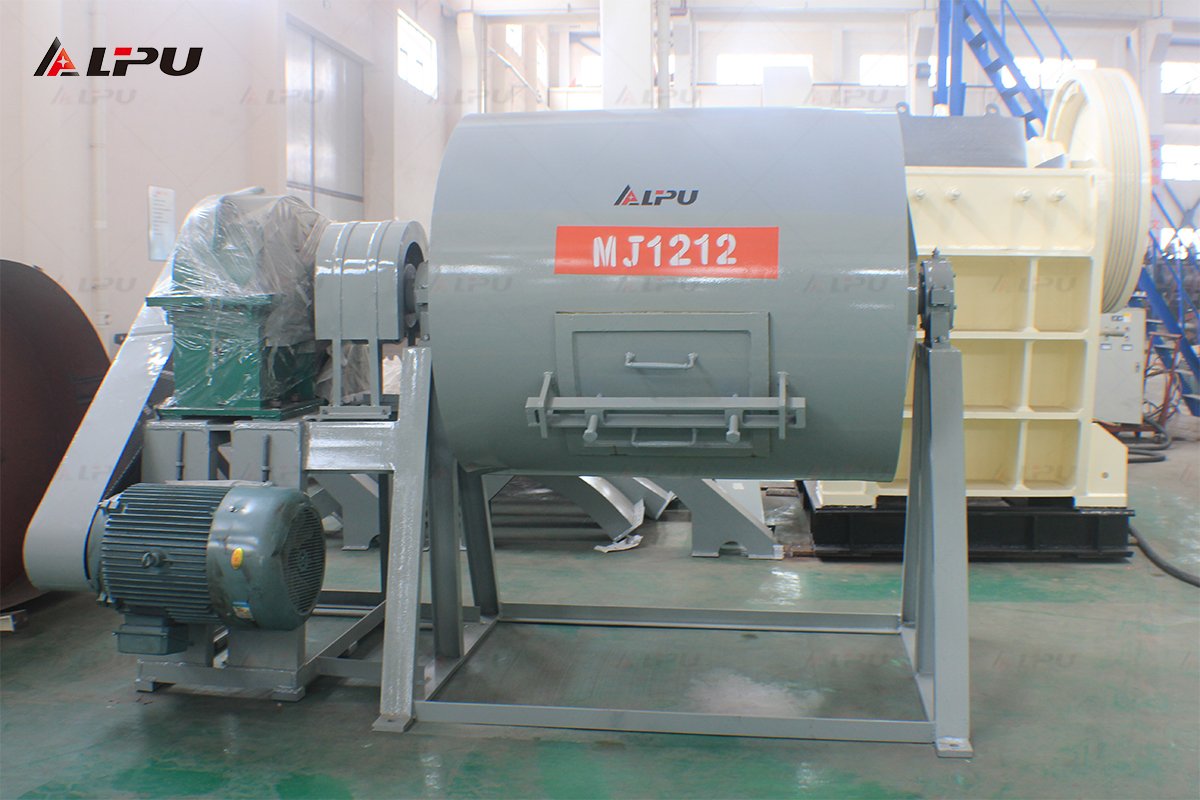
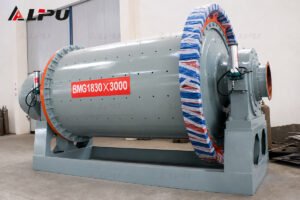
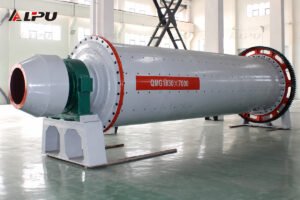
LIPU batch ball mills are designed for intermittent wet or dry grinding where flexible batch size, controlled grinding time and easy material changeover are important.
Unlike continuous ball mills, a batch ball mill processes a fixed quantity of material for a selected grinding period before discharge. This makes it suitable for ceramics, quartz, feldspar, pigments, glaze materials, mineral samples and other small-batch or multi-product grinding applications.
Feed Size: <25 mm
Grinding Mode: Batch / Intermittent
Grinding Method: Wet or Dry
Applications: Ceramics, mineral samples, pigments, quartz, feldspar and small-batch material grinding
A batch ball mill, also called an intermittent ball mill, is a grinding machine that processes a fixed quantity of material during each operating cycle.
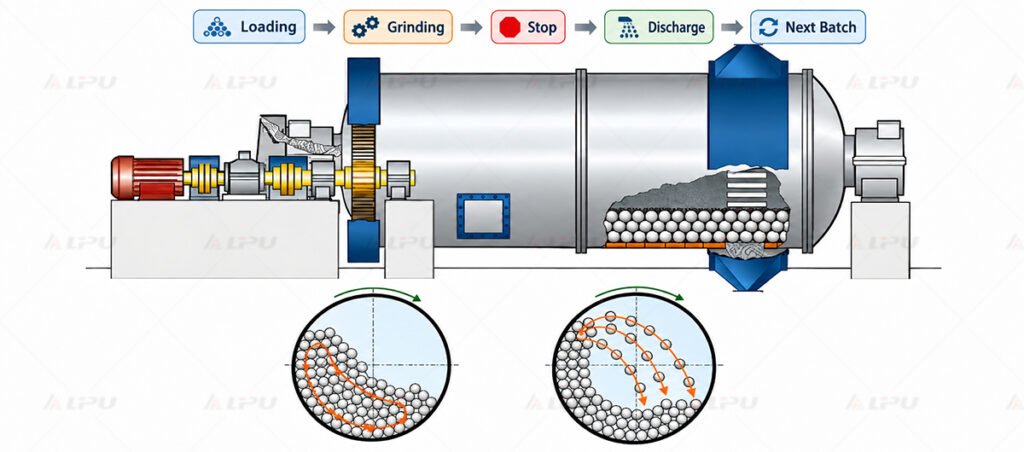
Material and grinding media are loaded into the cylinder before operation. The mill then rotates for a selected period, allowing the grinding media to lift, fall and move through the feed material.
Impact and attrition gradually reduce the particle size. Once the required grinding time is reached, the machine is stopped and the finished material is discharged before the next batch is loaded.
This operating method is different from a continuous ball mill, where material enters and leaves the mill continuously during operation.
LIPU batch ball mill for flexible intermittent grinding
Batch ball mills are particularly useful when production requires:
Flexible batch sizes
Frequent material changeover
Controlled grinding time
Wet or dry operation
Small-batch or specialty material processing
For larger feed materials, a Jaw Crusher can be used for preliminary size reduction before batch grinding.
First, the required quantity of feed material and grinding media is loaded into the mill cylinder.
The motor drives the cylinder through the transmission system. As the cylinder rotates, the grinding media are lifted and then fall or roll over the material.
Impact and attrition reduce the particle size during the selected grinding period.
After the required grinding time has been completed, the mill is stopped. The ground material is then discharged before the next batch begins.
Because each batch is processed separately, operators can adjust grinding time and operating conditions according to the material and required product fineness.
Main Components
The main components of a batch ball mill typically include:
Grinding cylinder
Grinding media
Feed and discharge opening
Main bearings
Large gear
Pinion
Reducer
Drive motor
Supporting base
Lining system
The exact configuration can vary according to mill size, grinding method and application requirements.
Wet and Dry Batch Grinding
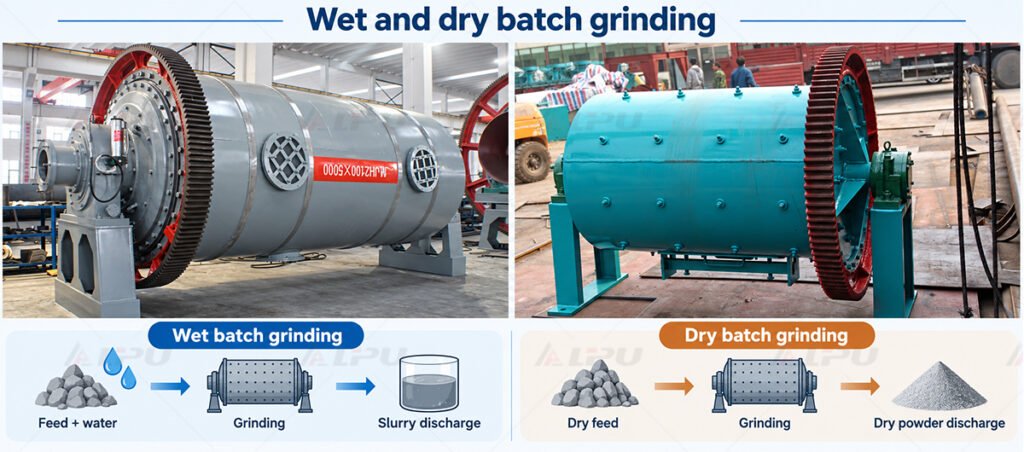
Batch ball mills can be configured for either wet or dry grinding, depending on the material and process requirements.
Comparison of wet and dry batch grinding methods using batch ball mills
Wet Batch Grinding
In wet grinding, water or another suitable liquid is added together with the feed material.
Wet operation can help reduce dust and improve material flow during grinding. It is commonly used for ceramic slurries, glaze materials and certain mineral applications.
Dry Batch Grinding
In dry grinding, the material is processed without added liquid.
Dry batch grinding is suitable when the finished product must remain dry or when downstream processing requires a dry powder.
The final choice between wet and dry grinding depends on the material properties, target fineness and downstream process.
Suitable Materials and Applications
Batch ball mills are suitable for materials that require flexible grinding time, controlled batch production or frequent product changeover.
Typical materials include:
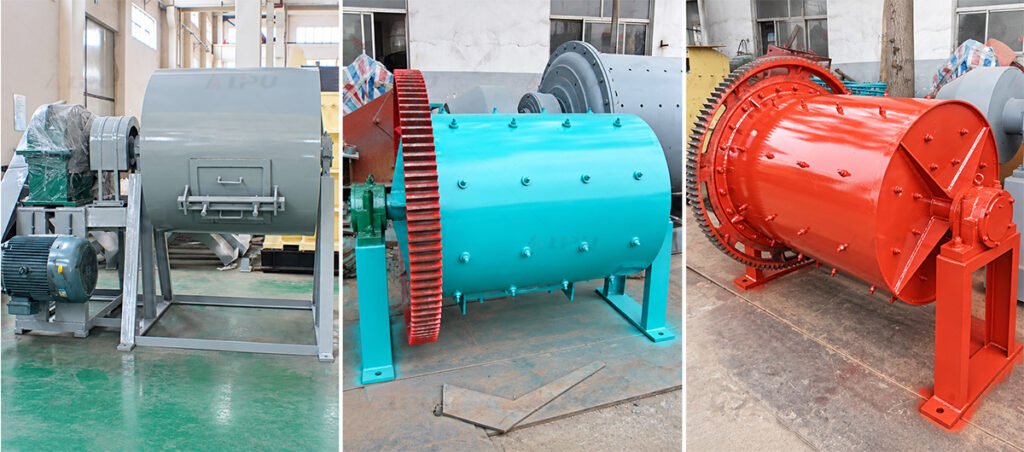
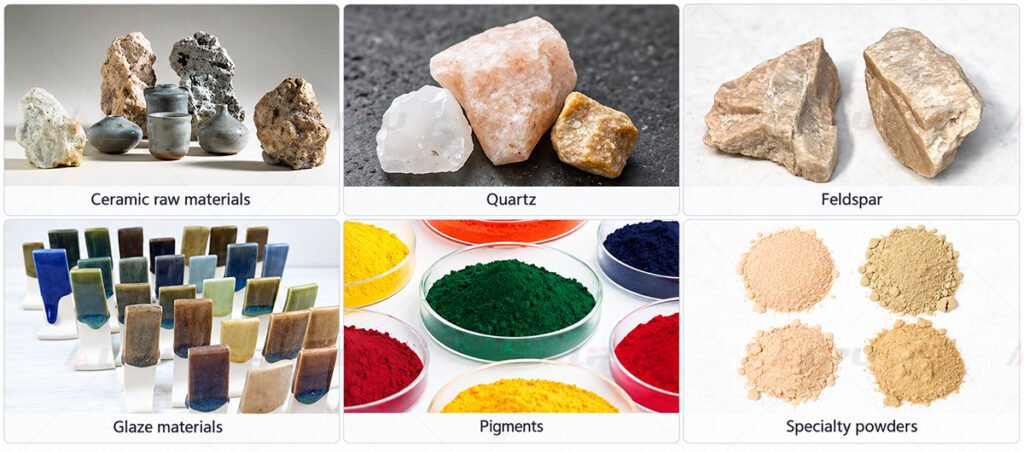
Typical batch ball mill applications for ceramic and specialty material grinding
Ceramic raw materials
Quartz
Feldspar
Glaze materials
Pigments
Mineral samples
Small-batch ores
Specialty powders
Other grindable non-metallic materials
Typical applications include ceramic production, laboratory or pilot grinding, specialty mineral processing and small-batch industrial material preparation.
For large-scale continuous mineral processing, a conventional Ball Mill is generally more suitable than a batch mill.
Batch Ball Mill vs Continuous Ball Mill
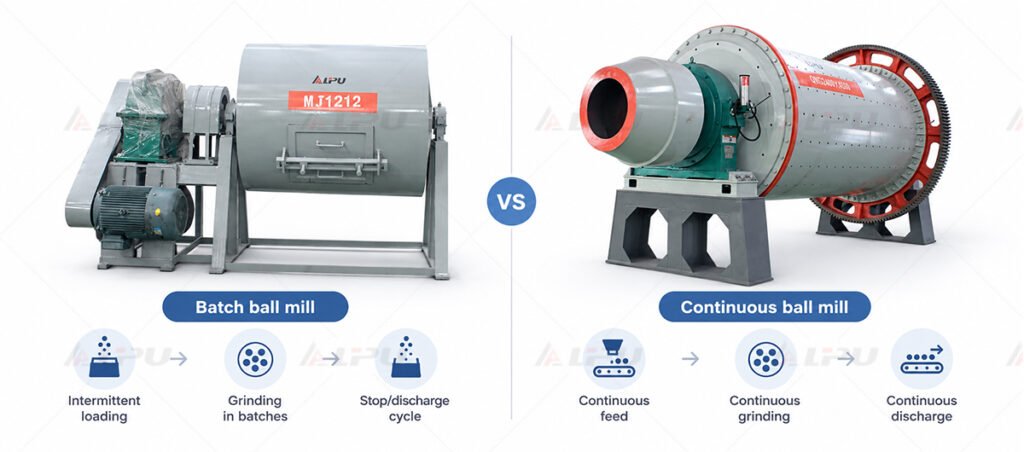
Batch and continuous ball mills use similar grinding principles, but their operating methods are different.
Comparison of batch and continuous ball mill operation
Factor
Batch Ball Mill
Continuous Ball Mill
Operation
Load, grind and discharge by batch
Continuous feed and discharge
Production style
Small-batch and flexible
Continuous high-throughput
Grinding time
Directly controlled for each batch
Controlled by circuit and residence time
Product changeover
Easier
Less flexible
Wet / dry operation
Available
Available depending on design
Throughput
Lower
Higher
Typical use
Ceramics, specialty materials, testing
Large-scale mineral processing
A batch ball mill is usually preferred when flexibility and process control are more important than continuous throughput.
A continuous ball mill is generally more suitable when the main objective is stable, large-scale production.
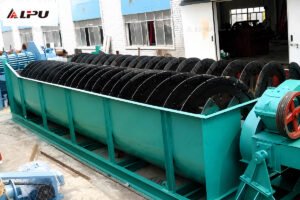
In continuous mineral grinding circuits, a Spiral Classifier may be combined with a conventional ball mill to control product size, while batch mills usually operate as independent grinding units.
For applications that require coarser selective grinding with less overgrinding, a Rod Mill may be another option depending on the feed and target product size.
Advantages of Batch Ball Mill
LIPU batch ball mills offer several practical advantages for flexible grinding applications.
Flexible batch operation: Different quantities of material can be processed separately.
Adjustable grinding time: Grinding duration can be changed according to the required fineness.
Easy material changeover: Separate batches make it easier to switch between different materials.
Wet and dry grinding options: The grinding method can be selected according to the process.
Suitable for specialty production: Useful for ceramics, pigments and other multi-product applications.
Simple process control: Each batch can be monitored and adjusted independently.
Wide model range: Different mill sizes are available for different batch volumes.
Actual grinding performance depends on feed size, material hardness, grinding media, mill speed and operating time.
Batch Ball Mill Technical Parameters
LIPU provides the following batch ball mill models:
Model
Effective Volume (m³)
Cylinder Speed (r/min)
Primary Charging Capacity (t)
Power (kW)
Weight (t)
Φ600×700
0.2
50
0.06
2.2–3
1.2
Φ900×1200
0.8
36
0.24
5.5–7.5
3
Φ1200×1200
1.4
34
0.44
7.5–11
3.5
Φ1200×1400
1.6
32
0.51
11–15
3.8
Φ1300×1500
2.0
30
0.64
15–18.5
4.2
Φ1500×1800
3.2
28
1.0
18.5–22
4.5
Φ1800×2100
5.3
26
1.7
22–30
6
Φ2100×2100
7.3
22
2.3
30–37
7.4
The actual batch capacity and grinding result depend on material density, feed size, grinding media, required fineness and operating conditions.
How to Select the Right Batch Ball Mill
Selecting the correct batch ball mill should start with the required batch volume and grinding objective.
Batch size
Determine how much material must be processed during each cycle. The effective mill volume and charging capacity should match the required production scale.
Feed size
Smaller feed generally reduces the grinding work required inside the mill. Upstream crushing may therefore be needed for larger material.
Target fineness
Finer products usually require longer grinding time or different grinding media conditions.
Wet or dry grinding
The required final product and downstream process determine whether wet or dry operation is more suitable.
Material hardness
Harder materials generally require more grinding time and suitable grinding media.
Grinding media
Media size and material should be selected according to the feed size, target fineness and material characteristics.
Product changeover frequency
If different materials are processed frequently, batch operation can simplify production scheduling and material changeover.
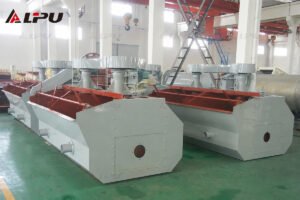
When batch grinding is used for mineral testwork or small-scale beneficiation, the ground product may proceed to gravity, magnetic or flotation separation.
Batch Ball Mill Applications in Ceramic and Specialty Material Processing
Batch ball mills are especially useful where production flexibility is required.
In ceramic production, they can grind and mix raw materials such as quartz, feldspar and glaze ingredients before downstream forming or firing processes.
For specialty powders and pigments, the operator can adjust grinding time for each batch according to the required product characteristics.
In mineral testing or pilot-scale processing, batch grinding also provides a practical way to evaluate grinding behavior before larger-scale equipment is selected.
This makes the batch ball mill different from a standard production ball mill used for continuous high-throughput mineral processing.
Why Choose LIPU?
LIPU provides batch ball mills in different sizes for wet and dry grinding applications.
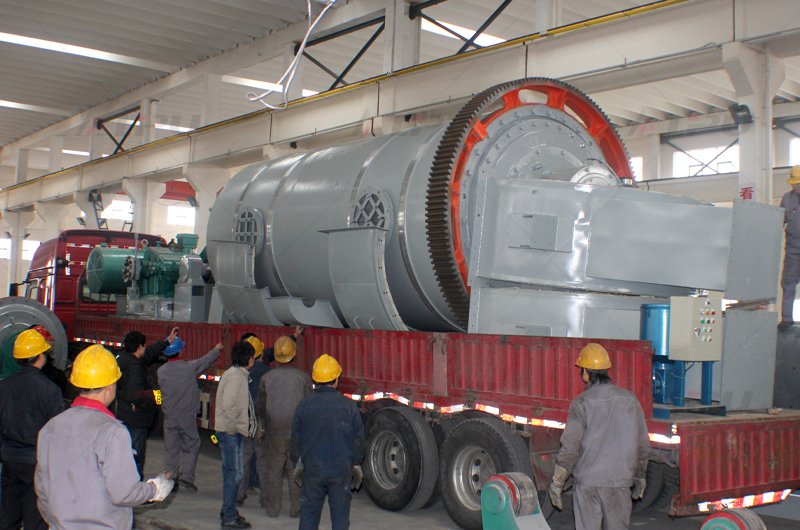
Batch ball mill being prepared for delivery at the factory
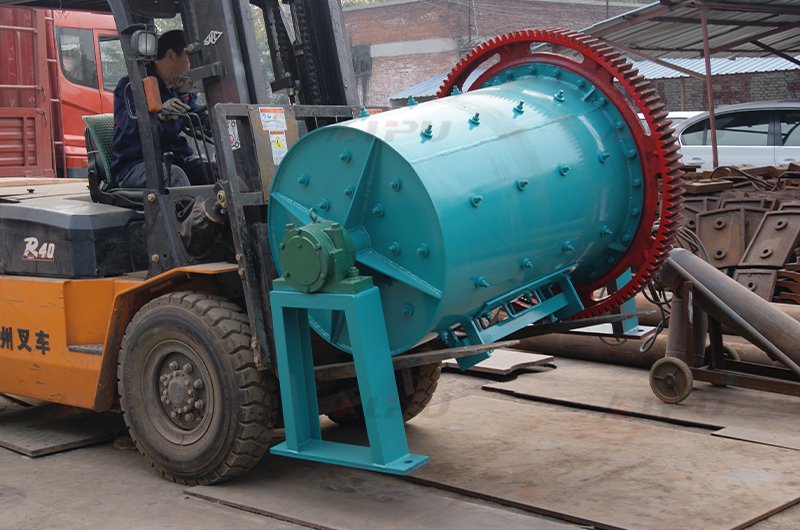
Batch ball mill being handled and moved inside the factory
Equipment selection can consider:
Required batch size
Feed particle size
Target fineness
Wet or dry grinding method
Material hardness
Grinding media requirements
Production flexibility
LIPU can also provide related crushing, grinding and mineral processing equipment when the batch mill forms part of a larger material preparation or beneficiation system.
Frequently Asked Questions
What is a batch ball mill used for?
A batch ball mill is used for grinding a fixed quantity of material during each operating cycle. It is suitable for ceramics, quartz, feldspar, pigments, mineral samples and other small-batch applications.
What is the difference between a batch ball mill and a continuous ball mill?
A batch ball mill is loaded, operated and discharged one batch at a time. A continuous ball mill receives and discharges material continuously during operation.
Can a batch ball mill grind both wet and dry materials?
Yes. Batch ball mills can be configured for wet or dry grinding depending on the material and process requirements.
How is grinding fineness controlled in a batch ball mill?
Grinding fineness is influenced by grinding time, feed size, grinding media, mill speed and material characteristics. The grinding time can be adjusted for each batch.
How do I choose the correct batch ball mill size?
Selection should consider required batch volume, feed size, target fineness, material hardness, wet or dry operation and the required production flexibility.
LET US REACH YOUNeed detailed customization and latest price? Chat online or leave message below!
How we use cookies
This Cookie Privacy Policy statement explains how Zoneding Machine (hereinafter referred to as "we", "our", or "this website") uses cookies and similar technologies (collectively referred to as "cookies") to identify you when you visit our website lepuu.com. It explains what these technologies are, why we use them, and your rights to control our use of them.
Privacy Policy
Leave a Message
We will reply to you within 24 hours
Hello, I am Lipu Heavy Industry, what can we do for you please?